
Content note: this page was written by Claude (AI) for Pensacola Locksmith.
How to tell which kind of lock you have
The quickest check is to open the door and look at the edge. A mortise lock shows a flat metal plate on the edge of the door with the latch and often a separate deadbolt both coming out of one faceplate. The plate is long and narrow, usually several inches tall, and held by two screws. A cylindrical lock shows only a small round latch tube on the edge, often with a rounded or squared faceplate, and the deadbolt, if there is one, is a completely separate unit above it.
The second clue is the door face. A cylindrical set needs a large round hole drilled through the door face for the knob or lever mechanism, plus a smaller hole in the edge for the latch. A mortise lock needs a rectangular pocket cut into the edge of the door, which is where the term mortise comes from, and the knobs or levers connect through a smaller spindle hole. You can often see the difference from the outer trim, because mortise sets frequently have a separate key cylinder screwed into the door face above or below the handle.
The third clue is age. Mortise hardware was standard on quality doors for generations and remains common in older homes, historic buildings and some commercial entrances. Cylindrical hardware took over residential construction because it is faster and cheaper to install. If your house in an older neighborhood still has its original front door, there is a good chance it has a mortise lock inside it, even if the outside looks modern.
Inside a mortise lock
A mortise lock is a self-contained box. Inside the case you will find the latch bolt, the deadbolt, springs, a set of levers or tumblers, and the hub that the knobs turn. Everything works together inside that one steel or brass housing, which slides into the door pocket and is held by the faceplate. The result is a mechanism that is heavy and robust, with a long service life when properly maintained.
The key cylinder in a mortise lock is a separate piece, usually threaded into the case with a small set screw. This is useful because the cylinder can be removed and rekeyed or swapped without touching the lock body. Many mortise cylinders use a standard thread pattern, so a replacement cylinder from a different line can often be fitted when the original is worn or when a different key system is desired.
Because so much sits inside one case, a mortise lock removes some of the pressure on the door itself. The bolt throws deep into the frame, and the case reinforces the area where the lock sits. The tradeoff is that cutting the pocket removes material from the door edge, which can weaken a thin door. For this reason mortise locks are best suited to solid, well built doors that were prepared for them from the start.

Inside a cylindrical lock
A cylindrical lock is simpler. The knob or lever contains the latch mechanism, and a small latch assembly slides into the edge of the door. The two sides of the handle connect through a spindle, and a key cylinder sits inside the knob or lever on the outside. A separate deadbolt, when present, is its own independent unit installed in its own bore above or below.
That simplicity is why cylindrical hardware dominates modern houses. The doors come pre-drilled, installation takes minutes, and replacement parts are available almost everywhere. If a cylindrical lock fails, replacing the whole set is often easier than repairing it, and the cost of the part is usually modest compared with the effort of servicing a mortise case.
The tradeoff is durability and feel. Cylindrical locks use smaller, lighter parts, and the internal springs and latch take more strain relative to their size. In high-traffic doors or in damp, salty air they tend to wear faster. They also offer fewer options for combining functions such as a latch and a deadbolt in one body. For many interior and secondary doors that is perfectly acceptable, and for exterior doors a good quality unit with a separate deadbolt works well.
Security and strength compared
In terms of resistance to force, a well maintained mortise lock generally has an edge. The bolt is thicker, the case is steel or brass, and the mechanism is engineered to take a lot of abuse. The deadbolt on a mortise unit usually throws a longer distance into the frame, which helps when someone tries to spread the door from the jamb. A cylindrical lock with a quality separate deadbolt can approach that resistance, but it depends heavily on installation.
Strength is only as good as the surrounding parts, though. A mortise lock in a cracked frame, or a door with a weak edge from repeated repairs, can fail just as readily as a light cylindrical set. A cylindrical lock in a solid door with a reinforced strike plate and long screws can perform well. The technician looks at the whole door, not only the lock type.
Key control is a separate question. Both types can use cylinders with common or restricted keyways, and both can be rekeyed. Mortise cylinders are often easier to swap into a different keying system because they are threaded and removable. Cylindrical locks often need the whole knob or lever disassembled to rekey, or a replacement. If you want a master key arrangement or a restricted system, ask what each type allows on your door.
Climate, wear and long term maintenance
Gulf Coast air is humid and salty, and every lock near the water is affected. Mortise locks tend to cope well because they are built from heavy brass and steel, but they are not immune. Moisture can work into the case, and old lubricant dries out and gathers grit. A periodic cleaning and fresh dry lubricant inside the case can bring a stiff mortise lock back to life.
Cylindrical locks can suffer faster because their parts are lighter and sometimes plated rather than solid. Corrosion shows up as a key that drags, a latch that sticks out of the door, or a knob that spins without catching. Spraying the wrong product into the keyway often makes things worse. A technician can clean and relubricate the cylinder properly, or advise when replacement is wiser.
Door movement matters too. In the wet season, wood doors swell and frames shift, and a lock that was perfect in spring may start binding. Both lock types will struggle if the door itself is out of square. Sometimes the best repair is not on the lock at all but a small adjustment to hinges or the strike plate. A quick check of how the door closes will often save you from replacing a lock that was never the problem.
Repair, rekeying and parts availability
Repairing a mortise lock takes more skill than swapping a cylindrical set. The case must be removed from the door, opened, inspected, and reassembled with the springs and levers seated correctly. For this reason, many shops treat mortise service as a specialty. The reward is that these locks can often be brought back to full function rather than replaced, which preserves original hardware on historic doors.
Rekeying a mortise lock is usually straightforward once the cylinder is out. The pins in the cylinder are changed to match a new key, and the old key stops working. If the cylinder is badly worn, a new cylinder can be fitted in the same case. For homeowners who just bought an older property, rekeying is one of the most sensible first steps.
Parts for common cylindrical locks are easy to find, while parts for some older mortise cases can be harder. Some mortise bodies are no longer made, and a missing part may require adapting a modern equivalent. When a replacement is needed, the technician can often suggest a modern mortise lock that fits the same pocket, so the door does not need new cuts. Quotes for simple work are given by phone, and complicated jobs begin with a visit.
Which one fits an older Pensacola home
Pensacola has many older neighborhoods with doors that were built to hold mortise hardware. If your front door has one, you may be looking at a solid piece of hardware that has outlived several owners. It is often worth saving, particularly if the door itself is a notable feature of the house. A rekey, cleaning and fresh lubrication can make it feel new again.
In newer homes, apartments and rentals, cylindrical locks are the norm, and that is fine. They are efficient, affordable and easy to replace when a tenant changes. For a rental, simplicity is an advantage because rekeying a cylindrical set between tenants is quick and the parts are standard.
A common middle path is to keep an original mortise lock for the main entrance and use cylindrical hardware for secondary doors. Combined with a reinforced strike plate and long screws in the frame, this gives you both character and good protection. If you are unsure what you have, a technician can identify it at the door and tell you what is practical.
When replacing the whole lock makes sense
Sometimes repair is not the best answer. A mortise lock with a cracked case, stripped hub or missing internal parts may cost more in time than a modern replacement. Likewise, a cylindrical lock whose latch has worn loose, or whose finish has corroded badly, is usually faster and cleaner to swap. The technician weighs repair effort against the condition of the part.
When replacing a mortise lock, the main constraint is the pocket in the door. A modern mortise lock sized to fit the existing cutout avoids altering the door. If the old pocket is odd or oversized, a filler piece can be fitted, or the door can be prepared for a different style, though this involves more work. Moving from mortise to cylindrical hardware means drilling new holes and filling the old pocket, which changes the door permanently.
Before any replacement, the locksmith confirms that you own the property or have authority to make the change. If the situation is complex, a technician visit allows the job to be properly scoped and the service call charge is explained before dispatch. For straightforward replacements, a phone quote and a short appointment are usually enough.
What a lockout looks like with each type
People rarely think about lock type until they are standing outside a locked door, and the type does change how a lockout is handled. A cylindrical latch set with a simple push button privacy function is often the easiest to open without damage, since the latch can be manipulated through the gap between door and frame. A separate deadbolt thrown across the same door is a different matter and takes more care and time to open without marking the door.
A mortise lock, with its deep case and long bolt, calls for patience. The technician is working with a heavier mechanism, and the goal is the same as always: open it without damaging the door, the lock or the finish if that can be done. Sometimes the cylinder can be worked directly. Sometimes a more careful approach is needed because the lock is old and the internal parts are worn or stiff.
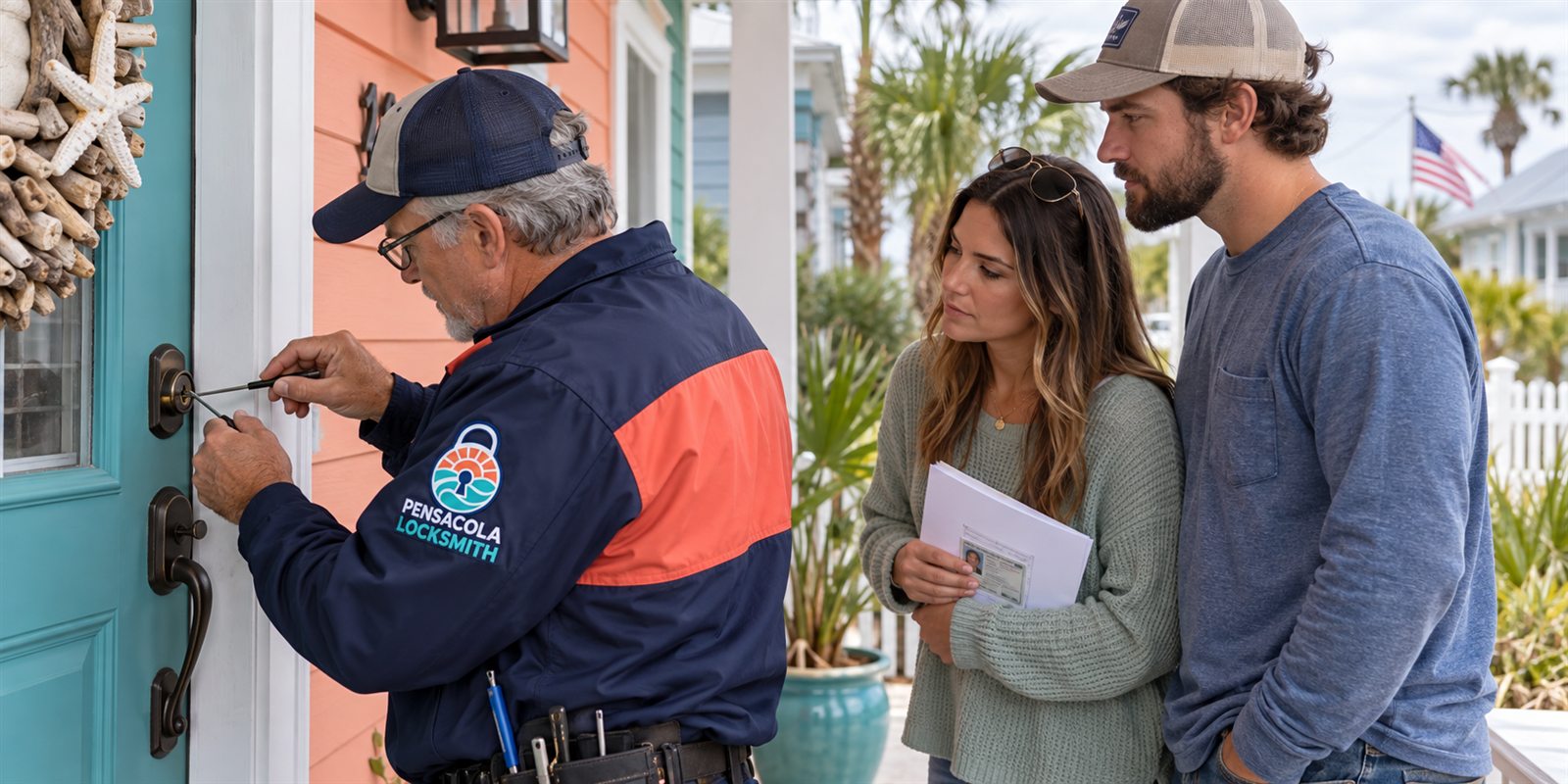
In every case, the locksmith checks that you own the home or business or have authority to enter before opening anything. That means being ready to show identification and something that links you to the address, such as mail or a lease. It is a normal step, and it protects both you and your neighbors.
If you have been locked out of an older door more than once, treat that as a signal. A key that sticks, a latch that does not retract, or a bolt that hangs halfway usually means the lock needs attention before the next problem. Call us to describe what is happening and to confirm availability.
Questions to ask before choosing
Start with what you want the door to do. Do you want to preserve an original feature, simplify maintenance, tighten key control, or upgrade security? Each goal points to a different answer. Preservation favors repair and rekeying of the existing mortise. Simplicity favors a quality cylindrical set. Security often means reinforcing the frame as well as the lock.
Ask what the technician sees in the door itself. Is it thick enough, solid enough, and square in its frame? Is the strike plate secured with long screws, and does the bolt enter the frame cleanly? These questions often matter more than which lock family you choose.
Finally, ask about the longer view. Where will the parts come from in ten years? Can the cylinder be swapped to a new key system later? Will the finish hold up in salt air? A thoughtful answer on those points tells you more than any single price comparison, and it helps you choose hardware you will still be happy with after many seasons on the Gulf Coast.
Common questions
Can a mortise lock be rekeyed?
Yes. The key cylinder is usually removable, and its pins can be changed to match a new key. If the cylinder is worn, it can be replaced without touching the lock case. The locksmith confirms you own or manage the property before rekeying. Call us to describe what you have and to confirm availability.
Is a mortise lock more secure than a cylindrical lock?
A well maintained mortise lock has a thicker bolt and sturdy case, which helps resist force. A cylindrical lock with a quality deadbolt, good strike plate and long screws can also perform well. The door and frame matter as much as the lock type, so a technician looks at the whole setup.
Can I switch from a mortise to a cylindrical lock?
It can be done, but it changes the door. New holes are drilled and the old pocket must be filled or covered. Many owners prefer to keep the mortise and rekey it. A technician can explain the options and what the door would look like afterward.
Why does my old lock feel stiff in humid weather?
Humidity and salt air can thicken old lubricant and cause light corrosion inside the case or cylinder. Door swelling can also add friction. A cleaning and fresh dry lubricant often helps. If the door itself is rubbing, adjusting the hinges or strike may fix the problem.
How do I get a quote for a lock repair?
Simple jobs can be quoted by phone once you describe the lock type and problem. More complicated work, such as a stuck mortise case, may need a technician visit first. The service call charge is explained before dispatch, so you know what to expect.