
Content note: this page was written by Claude (AI) for Pensacola Locksmith.
Why a replacement key is more than a copy
Years ago a car key was a piece of shaped brass. You took it to a hardware counter, a machine traced the cuts, and the copy worked. Many vehicles on Pensacola roads still use that kind of key for the door, but most newer ones add a second layer: a small chip inside the plastic head that talks to the car's immobilizer. A cut that matches the lock is no longer enough on its own.
That is why a replacement key involves two separate jobs. The blade must be cut to match the lock cylinders, and the electronics must be introduced to the car so it accepts the new key as one of its own. If either part is wrong, you get a key that opens the door but will not start the engine, or one that turns but triggers a security light.
A technician therefore starts by identifying exactly what kind of key your vehicle uses. Some use a simple chip, some a remote combined with a chip, and some a smart key that never touches the ignition at all. Knowing which one you have determines the tools, the time, and the options, so identifying it correctly is the foundation of the whole job.
Information you should have ready before you call
The more details you can give, the smoother the call. Start with the make, the general vehicle type and the approximate age of the car. Tell us whether the car has a push-button start or a traditional ignition slot, and whether your existing key has buttons. If you still have a broken key or half of one, keep the pieces, because they help the technician identify the blank.
Next, the vehicle identification number. The VIN is on a plate at the lower corner of the windshield on the driver's side, and also on the registration and insurance documents. A technician can use it to look up key codes, chip types and programming requirements. Photograph it so you can read it back clearly on the phone.
Finally, think about proof of ownership. You will need an ID that matches the registration or title, or the owner's permission if the car belongs to someone else. Having these items ready before the technician arrives is the single biggest way to keep the job short, and it keeps the process safe for every legitimate owner.
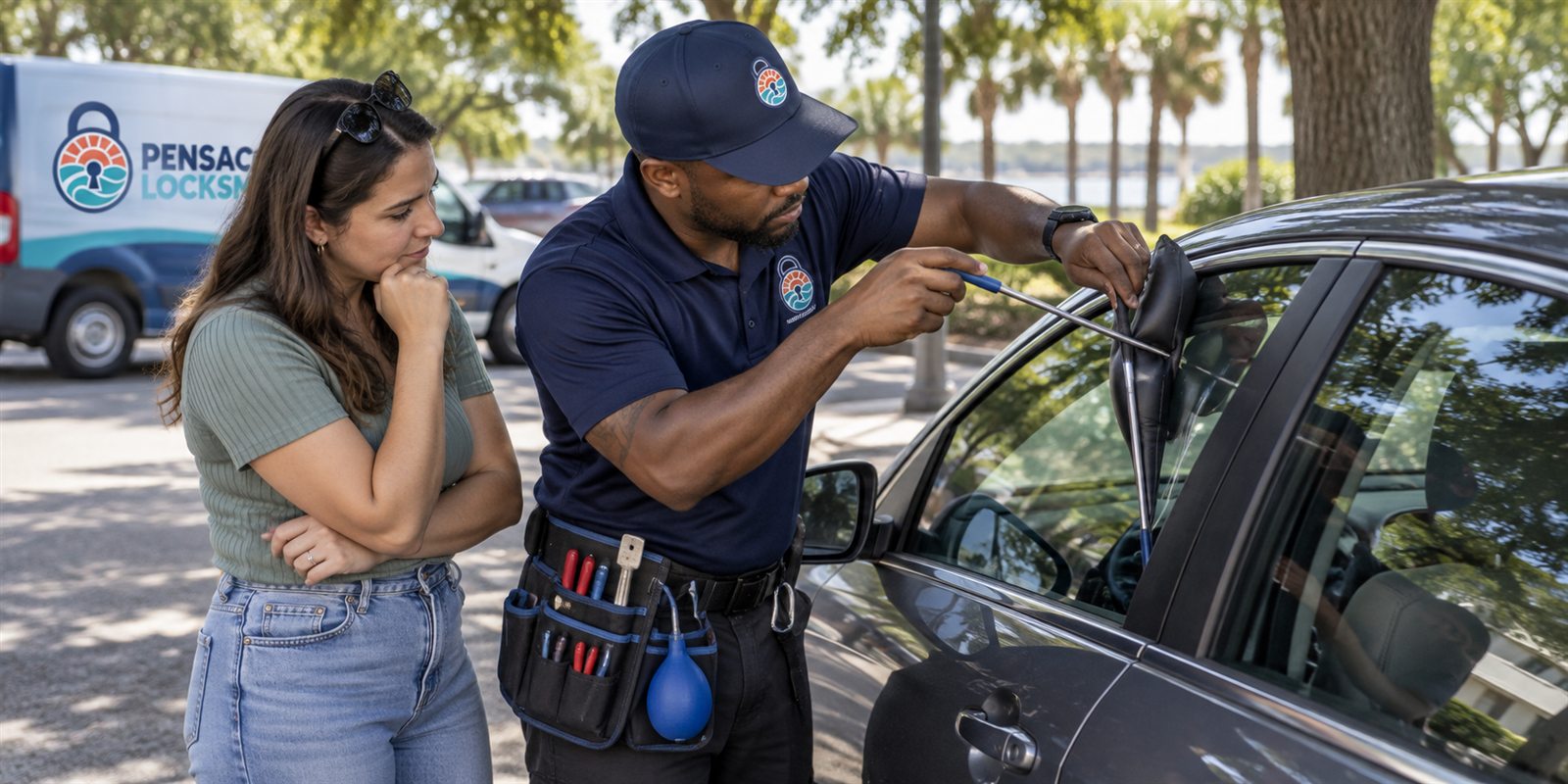
How a key is cut when the car is the only reference
If you have no working key to copy, the cut has to come from somewhere else. The technician can generate a cutting code from the VIN, when the vehicle information supports it, and cut the blade on a portable machine in the van. For some cars the lock itself can be read, using a decoding tool that tells the technician the depth of each cut from inside the cylinder.
Two common blade styles are involved. Edge-cut keys have teeth along the sides like a classic key. High-security keys have a milled groove running down the middle of the blade, and they need a more precise machine. Neither is a problem on site, but the second style cannot be made with an ordinary hardware counter tool, which is one reason people with those keys struggle to find copies.
After cutting, the blade is test-fitted in the door and ignition. The technician checks that it turns smoothly without forcing, and that it releases the lock as easily as the original. A key that feels tight on the first try is adjusted before programming, because a rough fit wears the cylinder and tends to fail later in humid coastal weather.
Programming: introducing the new key to the car
Programming is the electronic half. A diagnostic tool connects to the car, usually through a port under the dashboard, and the technician puts the vehicle into a mode that accepts new keys. Depending on the make, the car may require a security wait period, a PIN or a sequence of ignition turns. The new key's chip is then registered so the immobilizer lets the engine run.
Some vehicles let a locksmith add a key if at least one working key is present, which is the simpler case. Others require a full reset of the key list, which erases the old ones. If a lost key is still out there, that can actually be a benefit, because the missing key will no longer start the car after programming is finished.
At the end, the technician tests each function. The key should start the engine, the buttons should lock and unlock, and any trunk or panic button should respond. If any function is missing, it is corrected on the spot. You should not leave until you have personally started the car with the new key and watched it run.
Comparing a mobile locksmith visit with a dealership trip
A dealership is one way to get a replacement key, and it is a legitimate option for many vehicles. The usual steps are getting the car there, which often means a tow if no key works, then proving ownership, ordering the key, and waiting for it to arrive and be programmed. For some vehicles, that can take several days and leave you without a car.
A mobile locksmith reverses the order. The tools come to the vehicle, the key is cut and programmed in one visit when the parts and information are available, and there is nothing to tow. For people in Pensacola who commute across town, work shifts or rely on one car for the whole household, that difference matters more than any other.
That said, honesty requires saying that some vehicles are harder than others. A few makes protect their key data tightly, and certain keys need to be ordered or require manufacturer access that is not available outside a dealership. When that is the case, a good technician will say so on the phone rather than send someone out for nothing.
Key types and what each one involves
A basic transponder key has a chip in the head and a cut blade, but no buttons. These are the simplest to replace and program. A key with remote buttons includes a small circuit board and battery, and needs both the chip and the remote functions paired. A flip key folds the blade into the fob, and the folding mechanism can wear out over time.
A smart key or proximity key has no blade that you use in normal driving. You carry it in a pocket and the car detects it. These contain a hidden emergency blade for when the battery is dead. Replacing one means programming the fob to a more complex security system, and the process depends heavily on the car's design.
Older vehicles with purely mechanical keys are still around, and they are the easiest. A blade is cut from a code or from the lock, with no programming. We describe key types by general category rather than by model, because the details change between manufacturers, and the best answer comes from a short conversation about the car you actually drive.
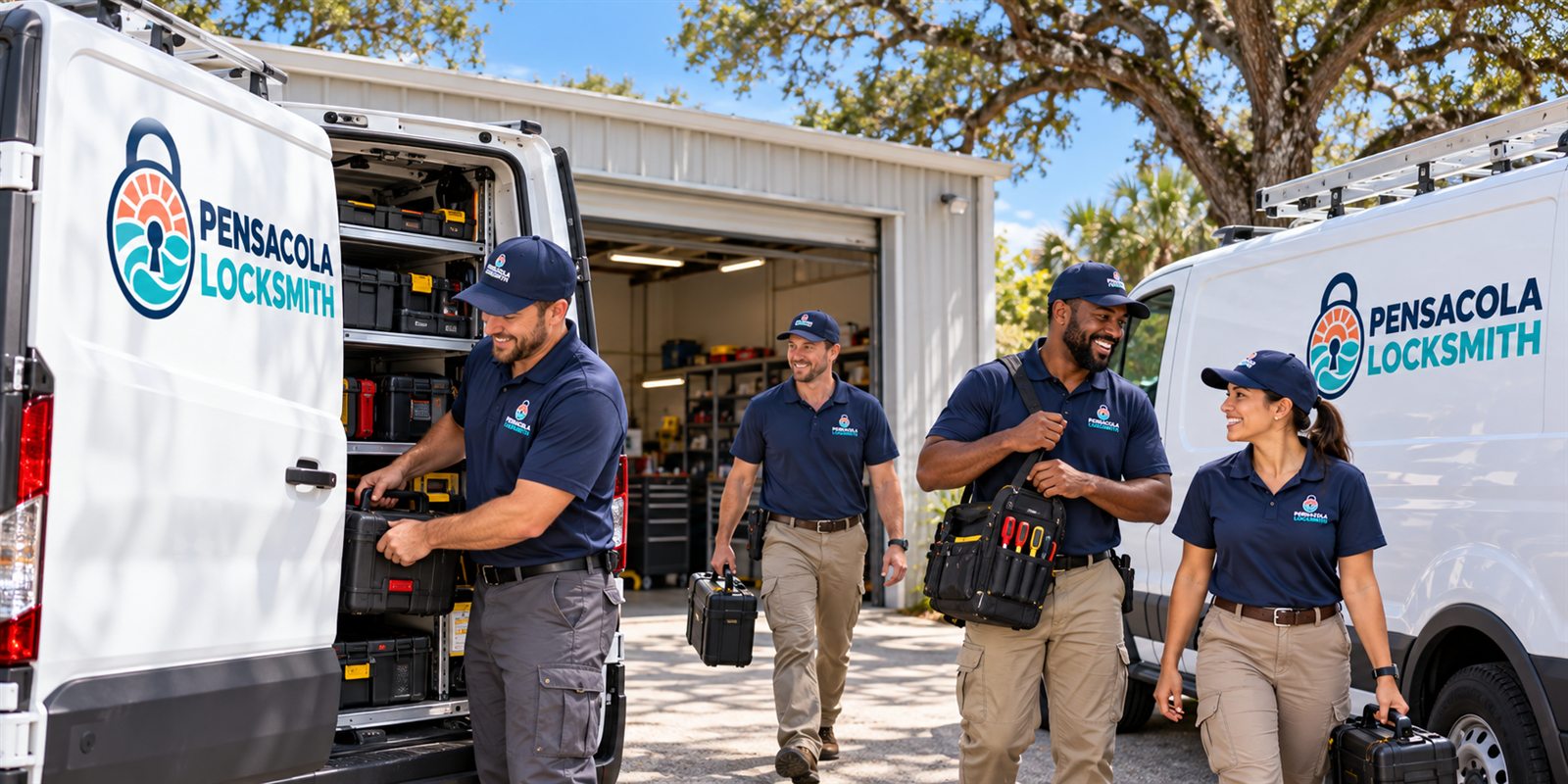
What can go wrong and how a technician plans for it
Several things can complicate a replacement. The vehicle may have a damaged ignition cylinder, so a new key turns poorly even though it is cut correctly. The battery may be low, which can interrupt programming and leave the car's modules in a confused state. A technician often keeps a power supply connected during programming to prevent that.
Another complication is a car that has had previous key work done by someone else. If an aftermarket alarm or immobilizer was installed, the key system may behave differently than the factory design. The technician will check for this before beginning, because an unexpected module can block a standard procedure.
There is also the case where the information needed to cut or program the key is not obtainable at the roadside. If that happens, the technician explains it and discusses alternatives, which might include a different key type, a part order or a dealer referral. Being told plainly beats being surprised after the work has started.
Replacement for broken keys versus fully lost keys
A snapped key with a piece still in your hand is much easier than a key that has vanished. With part of the blade, the technician can match its cuts, and the chip often survives in the head. In some cases the broken head can be opened and the chip moved to a new blade, which keeps the original electronic identity.
A fully lost key means starting from the vehicle's information alone. The technician cuts a new blade from code or lock reading, programs the first key, and then makes a spare if you want one. The total time is longer, and the process is the same as the one covered on our all keys lost page.
If a broken piece is still stuck in the door or ignition, that has to be removed first. Removal is a separate skill, and we describe it on the broken key extraction page. Do not try to push the piece out with a pin or knife, because that can wedge it deeper and scratch the cylinder.
Choosing a spare while the technician is there
The best time to make a spare is during a replacement visit. The equipment is already connected, the vehicle information is already on hand, and adding a second key is far easier than starting from scratch after a second loss. Many people only think of a spare once they have been stranded, and then wish they had asked earlier.
A spare should be a fully functional key and not a decorative copy. Ask the technician to test it by starting the engine and operating the remote buttons. Then store it somewhere safe and separate from the main set. A home drawer, a trusted family member or a secure lockbox are all better than a magnetic box under the bumper.
If you share the vehicle with a spouse, a teenager or an employee, consider whether each person needs their own key. Programming the keys at the same visit avoids multiple trips. Mention how many keys you want when you call, and the technician will bring enough blanks and plan the visit around the number.
Coastal wear, and how to make the new key last
Pensacola's humid, salty air is hard on small electronics and metal. Fob buttons collect grime, battery contacts corrode, and blades dull from sand and moisture. A key kept in a beach bag or a damp pocket ages faster than one kept dry. Try to keep your key away from direct water, and wipe it down after a day on the sand.
Replace the fob battery before it dies completely. A weak battery is the main reason a remote works only at close range. Many fobs use a common coin cell that opens with a small slot. If you are unsure how to open yours without cracking the case, ask the technician to show you, and keep a spare battery at home.
Treat the key gently. Hanging a heavy bunch of keys from the ignition wears the cylinder over time, and that wear is one of the most common reasons a car stops recognizing its key. Use a light key ring, and separate the car key from heavy items. Call us to confirm availability if you want help planning a replacement.
Who needs to be present, and what the visit looks like
The person with authority over the car should be there when the work happens, or at least reachable by phone with documents to show. The technician will ask for identification, compare it with the registration or title, and check that the plate or VIN on the car matches the paperwork. This takes a minute and protects every honest owner from someone else having a key made.
After that, the technician sets up beside the car. A portable cutting machine and a diagnostic tool come out of the van, and the work happens on the spot, often on a quiet street, in a driveway or in a parking lot. You can watch if you want to. Most people stay close, since the technician may ask you to turn the ignition or try a button.
When the job is done, you receive the working keys, and the technician shows you how each one performs. It is a good moment to ask about spare key storage, battery changes and any odd behavior from the car. A clear conversation at the end of the visit prevents confusion later and helps you feel comfortable with the result.
Replacing keys for fleet, rental and shared vehicles
Vehicles that belong to a business or a rental arrangement follow the same ownership rule, with an extra layer. The technician needs to confirm that the person asking has authority to order a key, which may mean a call to the owner, a written authorization or a company letter. This is routine for any responsible locksmith and keeps vehicles from being duplicated without permission.
Pensacola has plenty of shared vehicles, from work trucks to tourist rentals and family cars used by several drivers. When several people share a car, keys go missing more often, and replacement becomes a recurring cost of ownership. Think about a simple key policy, such as a labeled hook, a sign-out log or a lockbox for spares, so one lost key does not become a bigger problem.
For business owners with several vehicles, it helps to keep a record of which keys belong to which car, and when each was last programmed. If a former employee never returned a key, ask the technician whether the vehicle's key list can be reset so that old keys no longer start the engine. Not every car allows this, but many do.
Common questions
Do I need to bring the car anywhere?
No. The technician comes to the vehicle with cutting and programming equipment, so the car does not need to be towed or driven. That is the main practical benefit of mobile service. You should be present with proof of ownership, such as an ID that matches the registration or title, and the vehicle should be accessible.
What information do you need to make a new key?
We need the make, general type and age of the vehicle, the VIN, and whether it has a push-button start. We also need proof that you own the vehicle or have the owner's permission. If you have a broken key or its pieces, keep them, since they help identify the right blank and chip.
Will a new key work as well as the original?
A correctly cut and programmed key should start the car and operate its remote functions just like the original. The technician tests every function before leaving, including the door locks, the ignition and any buttons. If something does not work, it is corrected during the same visit, and you should confirm everything before the technician goes.
Can you make a replacement if I lost all my keys?
Usually yes. The technician confirms ownership, reads the vehicle information, cuts a new blade and programs the first key. A few vehicles have tight security that may need extra steps or parts. We will tell you during the phone call if your car falls into that group, so there are no surprises.
How do I get a price for a replacement key?
Quotes are given by phone once we know the vehicle and key type. If the job is complicated, a technician visits and the service call charge is explained before dispatch. Please call us to confirm availability and describe your situation, and we will walk you through what is involved and what to prepare.