
Content note: this page was written by Claude (AI) for Pensacola Locksmith.
How quickly a closed car heats up
Sunlight passes through the windows, warms the dashboard, seats and steering wheel, and those surfaces release heat into the air inside. Because the cabin is sealed, the heat cannot escape. On a hot, humid Pensacola afternoon, the temperature inside a closed car climbs far above the temperature outside, and most of the rise happens in the first several minutes.
Cracking a window helps only a little. Studies cited by safety organizations have found that partly open windows do not prevent a dangerous rise. Parking in shade slows the heating but does not stop it. Dark interiors, leather seats and a metal buckle can reach temperatures that burn skin, which matters even when nobody is trapped.
Humidity makes it worse. Humid air limits how well the body cools itself by sweating, so people and animals overheat sooner than they would in dry air. The Gulf Coast climate combines high heat with heavy moisture for much of the year, which is why vehicle safety deserves extra attention here, and why a lockout in summer is a different matter than one in winter.
Emergency first: when someone is inside the car
If a child, a pet or any person is inside a locked car and appears to be in distress, call emergency services immediately. Do not wait for a locksmith. Emergency responders are trained and equipped for this, and every minute counts. Give the dispatcher your location, a description of the car and the condition of the person or animal inside.
Stay with the vehicle if you can do so safely. Try the doors, in case one is unlocked. If you have a spare key or know someone who does, ask them to bring it. Talk to the person inside and keep them calm. Follow the dispatcher's instructions, since they may advise you on what to do before help arrives, including when breaking a window is appropriate.
A locksmith is a good option for a lockout, but not the right first call in a medical emergency. We say this plainly because it matters. If someone is in danger, call emergency services. After the situation is safe, a locksmith can help with the lock, the key or any damage to the door. We cannot promise an arrival time, which is another reason the emergency line comes first.
Locked out with no one inside: what to do in the heat
If the car is empty and you are simply locked out, the situation is less urgent but still needs care. Find shade and water, especially if you have to wait. Heat exhaustion can sneak up on a person standing in the sun in a parking lot, and it is easy to underestimate. Sit down in a cool spot and drink if you can.
Check the basics. Try every door and the trunk. Look for a spare key with a family member or friend. If your car has a connected app or a service that can unlock it remotely, that may solve the problem. Some vehicles have a keypad on the door frame, and the code may be in your records. These options are worth a few minutes before calling.
If none of those work, call us. Tell us where you are, what the vehicle is and whether the key is inside or lost. Ask to confirm availability. We cannot promise a time of arrival, and in summer, demand can be high. If the wait will be long, move to a shaded or air-conditioned place nearby and keep your phone handy so the technician can reach you.
- Move to shade and drink water while you wait
- Check all doors, the trunk and any remote unlock app
- Call someone with a spare key if they are close
- Give the technician your exact location and vehicle type
The ownership check at a parking lot
Even in hot weather, the technician has to confirm that the car is yours or that you are authorized to enter it. This is the same check that applies at any time. It protects you from car thieves who might claim a vehicle that is not theirs, and it protects the locksmith from helping them.
Expect to show identification. Many technicians also ask for registration, insurance papers or other proof tied to the vehicle. If those papers are locked inside the car, there are often other ways to confirm, such as a photo of the registration on your phone, a rental agreement, or a call to a family member who can verify. Tell us what you have when you call.
If the car belongs to a company or a rental agency, authority comes from them. A driver with a company authorization or a rental contract can usually proceed if the paperwork is in order. We will explain what is needed on the phone, so you can gather it while waiting. The check usually takes only a few minutes when documents are ready.
How a car is opened without damage
A trained technician uses specialized tools designed to open vehicles without harm. A thin wedge makes a small gap in the door frame, and a long tool reaches inside to trip the lock or the interior handle. When done carefully, it leaves no scratches and does not harm the weather seal or the paint.
Modern cars are more complicated than older ones. Side airbags, wiring in the door and tight door seals leave less room for error. A technician learns which vehicles require extra caution and where tools can reach safely. Methods that were common decades ago, such as a coat hanger or a slim jim, can damage the door and are not used on newer vehicles.
Sometimes the standard approach does not work, such as with a damaged door, an unusual lock or a car whose frame is bent. The technician will explain the options and any risk before proceeding. You are never pushed into a choice. Quotes are given by phone, and if the job is complicated a technician visits and the service call charge is explained before dispatch.
Key fobs, push-button starts and heat
Heat affects key fobs. A fob left on a dashboard bakes in the sun, which shortens battery life and can warp the case. Fobs left in a hot car sometimes behave oddly, with buttons that stop responding or a range that shrinks. If your fob has become unreliable in summer, replace the battery before assuming it is broken.
Push-button starts add a particular risk. If the fob is left in the car and the doors lock, the vehicle may still be running or may be in accessory mode. Some cars will not lock with the fob inside, but others will. Check the fob before you shut the door, and develop the habit of patting your pocket.
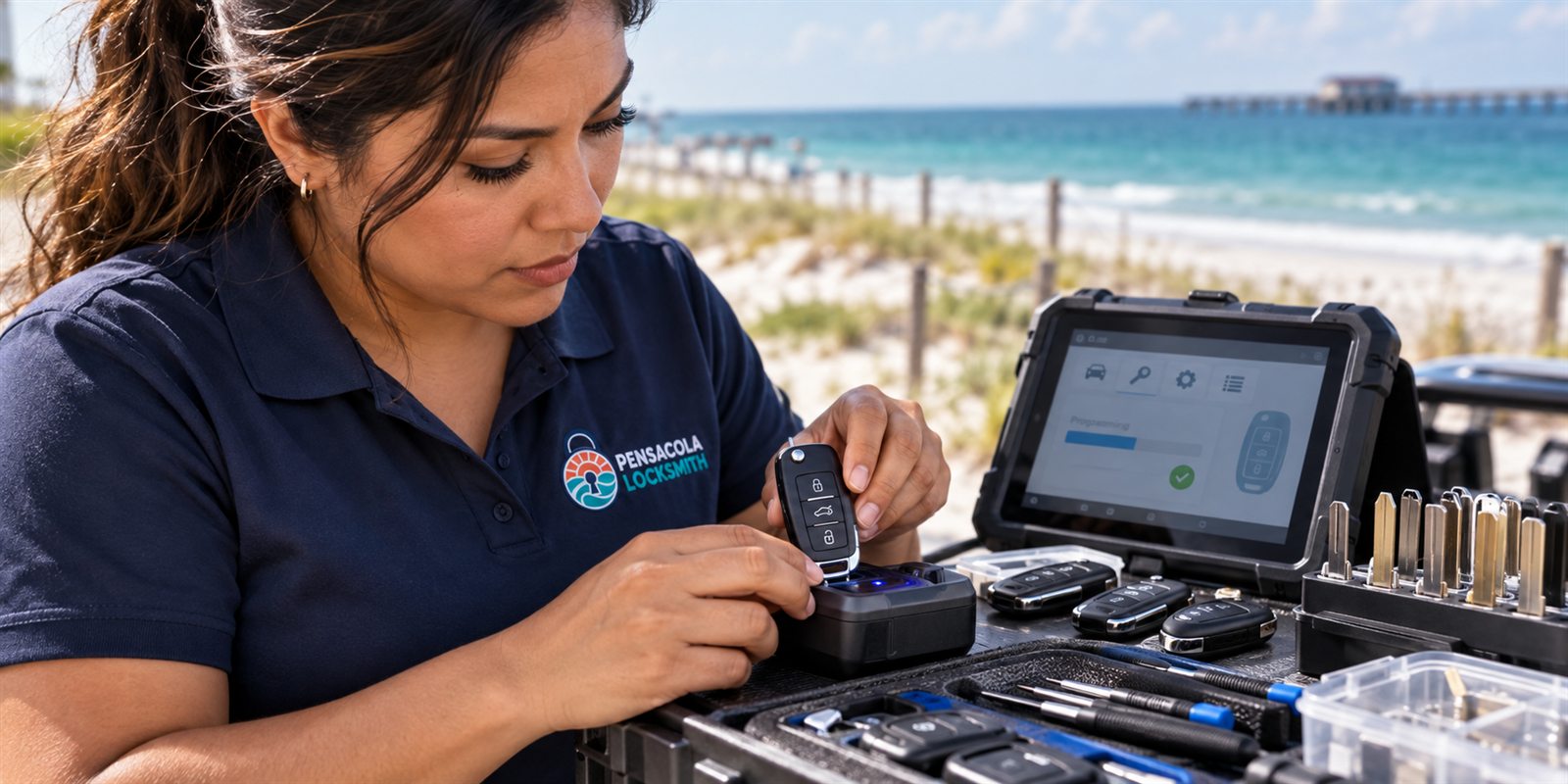
A lost or damaged fob may need replacement and programming. The technician verifies ownership, cuts the emergency key blade if there is one and programs the fob to the vehicle. Some vehicles need a dealer, and we will tell you if yours is one of them. Keep a spare fob at home, away from the car, to reduce the stress of a lockout in hot weather.
Keeping a spare key and why heat changes where you put it
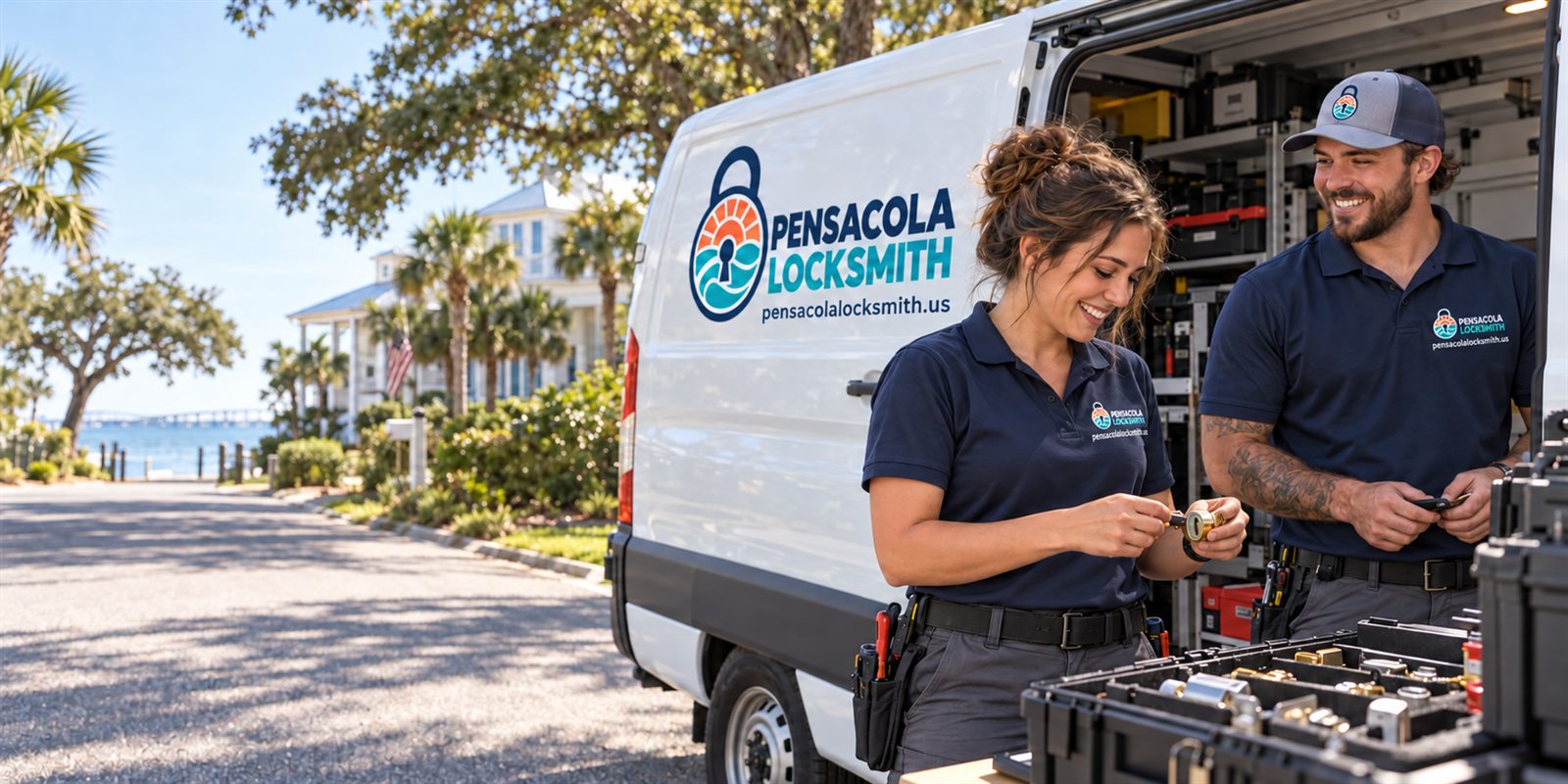
A spare key is the simplest protection against a lockout. The question is where to keep it. A magnetic box under the bumper is a common choice, though it is well known to thieves, and heat and road vibration can loosen it. A key stored on the car in summer can bake, warp or lose its chip function.
A better spot is with someone you trust, or in a secure place at home. Some drivers carry a slim emergency key in a wallet. Remember that a chip key still needs to be programmed to your vehicle, so a copy made without programming may open the door but not start the engine. That is still useful in a lockout.
If you keep a spare in the car, such as in a locked glovebox, remember that it will not help if the car is locked with the main key inside. Think about where you would be if the car was locked. A spare that is far away does not solve a lockout in a parking lot across town, so consider two spares in different places.
Parking habits that reduce lockout risk in summer
Small habits prevent most lockouts. Always take the key or fob with you, and never rely on the car to remember it. Check your pockets or bag before closing the door. Avoid leaving keys on the seat or the roof of the car, where they can be forgotten. When you unload shopping or children, keep the key in your hand.
Hot weather has its own habits. Never leave a child or a pet in a parked car, even for a short errand. Make a habit of looking in the back seat when you leave the car. Put a bag or a shoe in the back, as a reminder, if you tend to be distracted. These steps are simple and can prevent a tragedy.
Park where you can find shade when possible, and use a windshield shade to slow heat. A cooler car is more comfortable if you do get locked out, and the surfaces are less likely to burn. If you carry a child seat, check the metal buckles before use. Call us if a lock on your car is getting stiff, since a sticky lock makes mistakes more likely.
Heat, humidity and the lock itself
Heat stresses car locks in several ways. Plastic parts inside the door soften and warp. Lubricant thins and runs out. Metal parts expand and contract through the day. Over years, the door lock actuators that move the locking mechanism wear and begin to fail, which shows up as a door that sometimes does not unlock with the remote.
Humidity and salt air add corrosion, especially on older vehicles and on cars parked near the water. A door key cylinder that is rarely used can seize, because most drivers use the remote and forget the key. Turn the key in each lock now and then to keep it moving, and have a stiff cylinder serviced before it fails entirely.
If your remote stops working, do not assume the battery alone is to blame. The receiver in the car or the actuator in the door may have an issue. A technician can look at the key, the fob and the lock, and tell you whether it is something we handle or something for a mechanic or dealer. Describe the symptoms when you call, and ask about availability.
Commercial vehicles, delivery drivers and work trucks in summer
Work vehicles bake all day. Drivers climb in and out many times, leave doors open and set keys down at job sites. A lockout takes a worker off the road, and the heat makes waiting uncomfortable and unsafe. Employers should make sure drivers have access to water, shade and a clear plan for what to do if they are locked out.
A fleet that keeps spare keys in a central location, with a quick way to reach them, can often solve a lockout without a locksmith. When that is not possible, the driver should call the office, which can authorize a locksmith if needed. Ownership is checked with the company paperwork, so drivers should carry a copy of the registration.
If a work truck is locked with the engine running, tell the dispatcher, and consider the fuel and the heat. Shutting down a vehicle that has been left idling is a sensible goal, and a technician can often reach it quickly once on site. We cannot promise a time. Call us, describe the situation, and we will advise you honestly on what to expect.
Tourists, rental cars and unfamiliar vehicles
Visitors to the Pensacola area often drive rental cars with unfamiliar keys and features. A rental may have a push-button start, a smart key, or a lock that behaves in a way you do not expect. Lockouts are common in the first days with a new car, especially when a family is loading beach gear in the heat.
If you are locked out of a rental, call the rental company first. They often have a roadside service and may arrange help. If you need a locksmith, authority comes from the rental agreement, so keep a copy where you can reach it, such as a photo on your phone. The company may need to approve any key work on its vehicle.
Before you leave the lot, learn how the key works. Ask whether the car locks automatically, whether the fob can be left inside, and where the emergency key blade is. Keep the key on your person at the beach rather than in a bag that might be left in the car. Call us if you are stranded in the area, and we will explain what we can do.
After the lockout: what to check and what to change
Once you are back in the car, take a moment to check everything. Lock and unlock each door with the key and the remote, test the trunk, and make sure the technician left no marks. If anything seems off, say so right away. A professional wants the job done properly and will address any concern before leaving.
Think about what caused the lockout. If it was a habit, make a plan to avoid it, such as a spare key with a friend, a fob clip on your bag, or a change in routine. If it was a worn lock, a failing actuator or a dying fob battery, schedule the repair so it does not repeat in the next heat wave.
Keep a record of the date and what was done in case a question comes up later. Save the locksmith's number in your phone. If you plan to be on the road, make sure someone knows your plans, and store your documents where you can reach them even if the car is locked. Call us whenever you have questions about locks, keys or fobs, and to confirm availability.
Common questions
What should I do first if a child is locked in a hot car?
Call emergency services immediately. Do not wait for a locksmith. Give your location and a description of the car and the person inside, and follow the dispatcher's instructions. Once everyone is safe, a locksmith can help with the lock or any damage.
Does cracking a window keep a parked car safe?
No. A partly open window does not stop the cabin from heating to dangerous levels, especially in Gulf Coast humidity. Never leave a child or a pet in a parked car, even for a short errand. Take them with you.
How long will it take a locksmith to arrive?
We cannot promise a time, because distance, traffic and other calls change things. Call us to confirm availability and we will tell you honestly what is possible. If anyone is in danger, call emergency services first.
What do I need to show to get my car opened?
Identification and some proof the vehicle is yours, such as registration or insurance papers. If those are locked inside, a phone photo, a rental agreement or verification from a family member may help. Tell us what you have when you call.
My key fob stopped working in the heat. Is it broken?
Not necessarily. Heat shortens battery life and can make buttons unresponsive. Try a new battery first. If it still fails, the fob or the car may need service, and a replacement may need cutting and programming. Ownership is checked before programming.