
Content note: this page was written by Claude (AI) for Pensacola Locksmith.
Why a lost key costs a fleet more than a household
For a household, a lost car key is an inconvenience. For a plumbing company, a landscaper or a delivery operator, it can stop revenue for the day. A truck that sits idle takes a driver and often a helper out of work with it. Scheduled jobs slip, deadlines pass and customers start looking at other companies.
The risk is also spread over many vehicles. A fleet of eight trucks might have twenty keys in circulation, held by drivers, office staff and a few part-timers. Each key is a point of loss. People leave keys in jacket pockets, on job sites, in the cab of another truck or on a counter somewhere. The odds that one will go missing in any given month are not small.
Planning ahead is much cheaper than reacting. A fleet with a documented spare key for every truck, stored securely and known to the people who need it, handles a lost key as a short delay. A fleet with no spares treats it as an emergency. The point of this guide is to move you from the second situation toward the first.
Building a spare key plan for every vehicle
Start with an inventory. List every vehicle, the type of key it uses, how many working keys exist and where each one is. Include the year range in general terms, the make and whether the key is a plain metal key, a chip key, a remote or a push-button start fob. This single page becomes the backbone of everything else.
Then decide how many spares each truck needs. At minimum, one extra working key per vehicle stored away from the truck and away from the driver. For high-value trucks or those that work on remote sites, consider a second spare held at a different location. Chip keys and fobs need programming, so a spare that has never been tested may fail when you need it. Test every spare once.
Store spares in a lockable cabinet at the office, with a simple log of who takes what. Avoid magnetic boxes under bumpers, which are well known to thieves and tend to fall off on rough roads. A locksmith can cut and program spares in one visit and can make a batch for several trucks in a single trip, which saves time compared with doing them one by one.
- A written list of every truck, key type and key location
- At least one tested spare per vehicle stored off the truck
- A lockable cabinet and a simple sign-out record
- Fob batteries replaced on a schedule, not when they fail
Chip keys, fobs and what programming involves
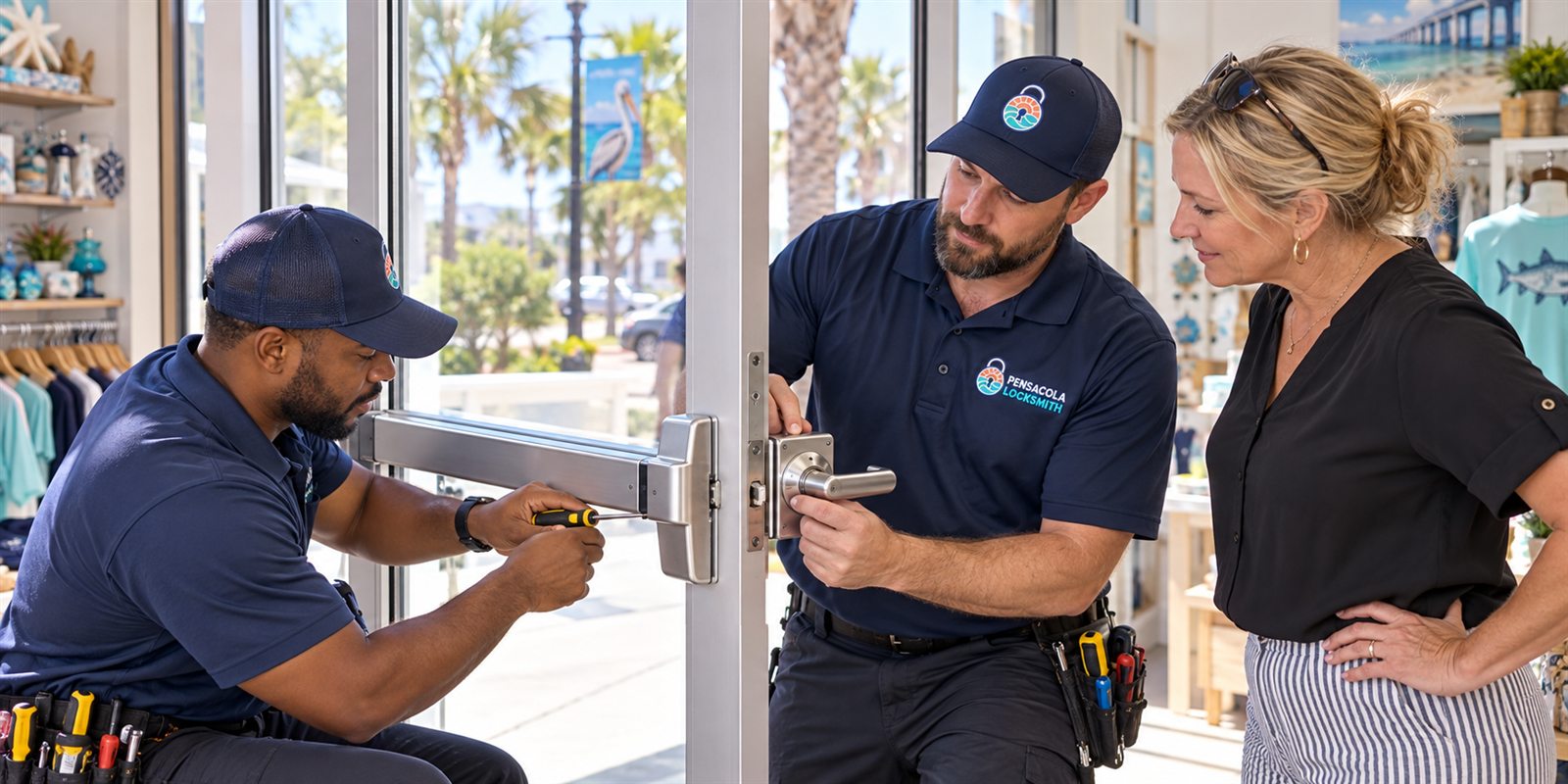
Modern work trucks usually use transponder keys, where a small chip inside the key communicates with the vehicle. The truck will not start unless the chip is recognized. Cutting the metal blade is only half the job. The chip must be programmed to the vehicle, and that requires specialized equipment and, on some models, a security procedure.
Programming approaches differ across makes. Some vehicles allow a new key to be added while an existing key is present. Others require the system to be connected to a diagnostic tool, and some need a security code obtained through the proper channels. When all keys are lost the job is usually harder than when one working key remains, which is another reason to keep spares.
Before programming, the locksmith checks ownership or authority. For a fleet that means documents tied to the company, such as registration or title, and identification of the person requesting the work. Quotes are given by phone, based on the vehicle type and the number of keys needed. If a truck is unusual, a technician visits and the service call charge is explained before dispatch.
Handling a lockout at a job site
Drivers lock keys inside trucks more often than any manager would like. The common causes are a hurried exit, a door that locks automatically, or a spare key left in a toolbox that is also locked. When it happens on a job site, the first move is to stay safe, not to force the door or break a window.
A mobile locksmith comes to the truck, which suits fleets since the vehicle does not have to be moved. The technician checks the type of lock and the vehicle design, then picks the least damaging method. Most modern doors can be opened without harming the paint or the weather seals. Forcing a door often costs more than the call itself, because of the damaged trim and the broken seals.
Before opening, the technician confirms that the person requesting the work is authorized, such as the driver with company paperwork or a manager on the phone. Fleet owners can make this simple by telling drivers to carry a copy of the registration and by being reachable when a call comes in. Call us, give the location, the vehicle and the situation, and we will confirm availability for that day.
Toolboxes, ladder racks and the locks people forget
A work truck is more than a cab. It carries toolboxes, under-bed storage, ladder rack locks, cargo van doors, bulkhead partitions and sometimes a locked cap or canopy. Tools are expensive and easy to resell, and thieves know which trucks tend to carry them. The locks on these compartments often receive less attention than the ignition key.
Many aftermarket toolboxes use basic cylinders that are keyed alike by the thousands. A key that fits one box may fit another of the same brand. A locksmith can replace these cylinders with higher-quality units, rekey them so each truck has its own pattern, or key every compartment on a truck to the same key as the ignition to cut down the key ring.
Consistency pays off. If every compartment in the fleet is keyed in an organized way, you can plan which keys each driver needs and nothing else. Disorganized fleets end up with huge key rings that wear out the ignition switch, and drivers lose keys among the clutter. Describe your trucks and boxes when you call, and the technician can suggest a workable arrangement.
Dealing with key control when employees come and go
Staff turnover is a real security issue for businesses with vehicles. A driver who leaves with a truck key or a toolbox key has access you may not want to extend. Few owners think of this until something goes missing. A written record of key assignments makes the question easy to answer.
When an employee leaves, collect all keys and fobs and check them against your list. If one is missing, decide whether the risk justifies rekeying. For a single ignition, replacing the key and reprogramming the vehicle so the old one no longer works is often possible. For toolbox cylinders, rekeying is a smaller job. The locksmith will verify your authority before changing anything.
Consider whether a driver truly needs the keys to everything. Separate keys for the cab and for cargo areas limit exposure, and the arrangement is easy to manage if you plan it from the start. Seasonal workers and temporary drivers deserve the same care as permanent ones. A short sign-out sheet at the end of the day, with keys returned to a cabinet, solves many problems before they begin.
Commercial vans, box trucks and heavier vehicles
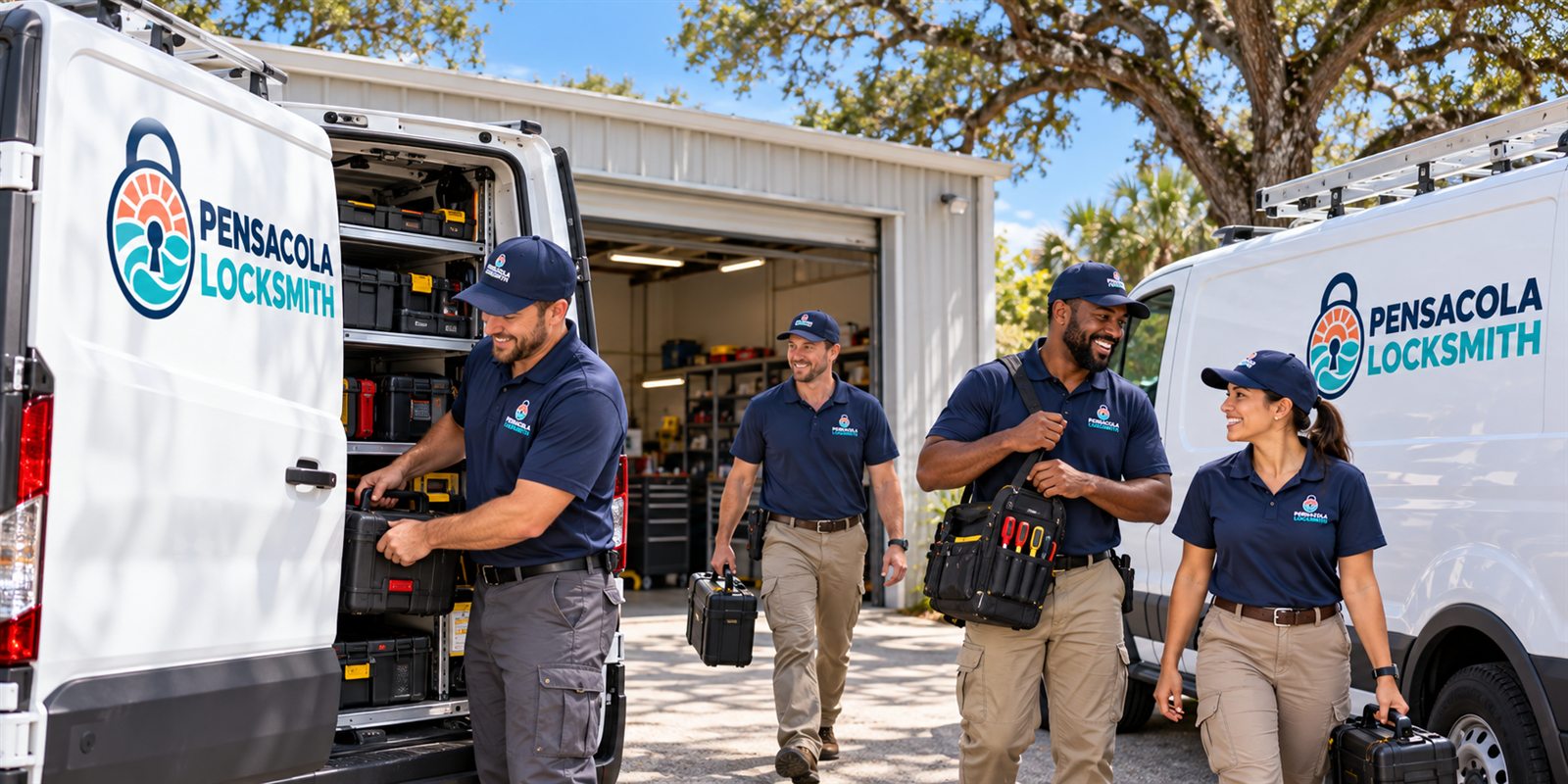
Not all fleet vehicles are pickup trucks. Cargo vans, box trucks and step vans have their own locks, including rear roll-up doors, swing doors, cab doors and side access doors. Some use standard automotive keys, while others use commercial padlocks or special hasps. The mix on a single vehicle can be surprising.
A lock problem on a box truck may involve a roll-up door latch, a hasp or a cylinder that has corroded or bent from rough handling. The truck cannot work if its cargo cannot be reached. A technician can often repair or replace these parts at the site, which spares you from towing a loaded vehicle to a shop.
Heavier vehicles may fall outside what a locksmith can program, particularly those with specialized systems. We will tell you straight if a vehicle needs a dealer or a specialist rather than promise something we cannot do. When you call, give the vehicle type, what lock is involved and where it sits, and we will explain whether it is a job for us and what visit is needed.
Gulf Coast conditions: heat, humidity and salt on fleet hardware
Work trucks along the Gulf Coast take punishment. Heat bakes interiors and wears plastics, humidity encourages corrosion and salt air eats exposed metal, especially if trucks work near the water or park outside overnight. Locks on the outside of the truck, such as toolbox cylinders and tailgate locks, are the first to show it.
A cylinder that begins to feel gritty or sticky is warning you. Cleaning and the right lubrication can extend life, while ignoring it often ends in a broken key. Ignition cylinders can wear out as well, especially on older vehicles whose keys have been copied several times. A copy of a copy may not fit well and will accelerate wear on both the key and the lock.
Remote fobs suffer from heat and moisture too. Batteries last less time in a hot dashboard, and cases crack with age. Replace batteries on a schedule and keep a spare mechanical key. If a fob has been dropped in water, let it dry and replace the battery before assuming it is dead. Call us if a key or lock is misbehaving and describe the symptoms.
Downtime planning: what to do before the call and during it
Think of lock trouble as a scheduling problem. Decide in advance what happens when a driver calls with a lost key. Who authorizes a locksmith, where are spares kept and how does a replacement truck or a reassigned crew fill in? A few minutes of planning at the office saves hours in the field.
When you do need a locksmith, prepare the details. Know the vehicle make and type, the plate or identification number, where it is parked and who will be present. Have the registration available. The technician will check ownership or authority before opening or programming, and having paperwork ready avoids a stall at the beginning.
Quotes are given by phone. For a simple lockout or a spare key, a description usually suffices. For a complicated job, such as all keys lost on a recent vehicle, a technician visits and the service call charge is explained before dispatch. Call us to confirm availability, since schedules vary, and let us know if time matters so we can explain realistic options without making promises we cannot keep.
Yards, gates and the lot where the trucks sleep
The best truck key plan can be undone by an unsecured yard. Many small fleets park at a shop, a rented lot or the owner's property. Gates, chains and padlocks protect the whole group of vehicles at once, so the quality of those locks matters. A cheap padlock on a gate chain is a weak link that thieves test first.
Choose padlocks with shrouded shackles, which make cutting harder, and weather-rated bodies, since coastal moisture ruins ordinary ones. Keep the chain tight against the gate so tools have less room. Gate keypads should have codes that change when staff change. A locksmith can rekey a set of padlocks to one key, so a manager carries a single key instead of a ring of mismatched ones.
Lighting and visibility also help. A yard that is lit and visible from a road attracts fewer visits than a dark corner. Take photos of your trucks and note identifying details so you can report a theft accurately. Combined with a tidy key routine, these basics cover most of what a small operation can reasonably do. Call us if you want the gate and padlock hardware reviewed.
Rentals, leased trucks and shared vehicles
Some fleets lease or rent trucks, and the paperwork changes who can approve key work. A leased vehicle belongs to the leasing company, which may need to authorize a new key or programming. A locksmith will ask for documents showing your right to the vehicle, and in some cases the lessor must confirm. Check your lease terms before you start.
Shared vehicles, where several drivers use the same truck on different shifts, raise key handling questions. A single key passed from hand to hand is easy to lose. Consider a duplicate for each shift lead and a hook board where keys are returned. Tags with a vehicle number, not a company name or address, keep a lost key from pointing anyone toward your lot.
Whatever the arrangement, document who is responsible for what. If a key is lost on a leased truck, the cost and the process should be understood in advance. When you call, mention that the vehicle is leased and have the agreement handy. That small detail prevents a situation where the technician arrives and cannot proceed because the right person has not approved the work.
Setting up a routine so problems stay small
A fleet does not need a complicated system, just a routine. Once a quarter, check that every spare key still works, that fob batteries are fresh and that the key log is accurate. Walk the lot and try every toolbox and compartment lock. It takes an hour, and the issues you find are cheaper to fix when they are not urgent.
Add new vehicles to the plan when they arrive. When you buy a used truck, ask how many keys came with it and test each one. If only one is provided, make a spare right away. A used vehicle that has gone through several owners may have keys held by people you cannot trace, which is a reason to consider rekeying the cab or reprogramming the system.
Keep the locksmith's information near your dispatch desk, along with your vehicle list. If the same technician or company has serviced your trucks before, the second visit goes faster because the records exist. Over time you will know which trucks cause trouble and which do not. Call us when you want to set up a spare key plan or review an existing one.
Common questions
How many spare keys should a work truck have?
At least one tested spare per vehicle, stored away from the truck and the driver. Trucks that work at remote sites or carry valuable tools may justify a second spare in another location. Test each spare once, since an untested chip key can fail when you need it.
Can you program keys for several trucks in one visit?
Often yes, if the vehicles are in one place and we know the types in advance. Give us a list of makes and key types when you call. Ownership or authority is checked for each vehicle, so bring registrations. Complicated vehicles may need a separate visit.
What if all keys to a truck are lost?
It is harder than losing one, because there is no working key to copy from. A technician can usually create a new key and program it to the vehicle, depending on its system. Some vehicles need a specialist. Call us with the make and type and we will explain what is realistic.
Do I need to rekey toolboxes when an employee leaves?
Only if you cannot confirm that the employee returned every key or if you have concerns. Rekeying a toolbox cylinder is a modest job compared with replacing stolen tools. A written key log makes this decision clear, and we will verify your authority before starting.
Will opening a locked truck damage it?
Usually not. Most modern doors can be opened with specialized tools that avoid harming the paint and seals. Forcing a door or breaking a window causes real damage. If you are locked out, avoid forcing anything and call us so the technician can choose the right method.