
Content note: this page was written by Claude (AI) for Pensacola Locksmith.
Why rentals need a different approach
An owner-occupied home has a small circle of key holders. A rental has a rotating cast: tenants, former tenants, maintenance staff, cleaners, property managers, inspectors and sometimes prospective renters being shown the unit. Each person might have received or copied a key at some point. Without a system, nobody can say with confidence who can still enter.
Rentals also face a legal and ethical layer. Tenants have a reasonable expectation that their door is secure, and landlords have a responsibility to provide working locks. How that is done varies, so check current Florida rules and your lease for what applies. A locksmith handles the hardware side, but the rules about notice and access are matters for your lease and legal advice.
The good news is that a rental is also the easiest kind of property to organize. You control the turnover. You decide the key policy. You can set the same standards for every unit and repeat them, which saves time and gives you consistent results. A tidy system turns a source of risk into a routine task that takes little thought.
The goal of this guide is not to produce a fortress but a clear process. Every tenant gets a lock no previous occupant can open. Every key is counted. Every change is written down. When something does go wrong, you can answer quickly who had access and what was done, and that clarity protects your tenants and your investment.
Think too about the stretch between tenants. A vacant unit with a full set of keys in a lockbox on the door is a convenient target, and a unit shown many times has more people inside it than any occupied home ever does. Keep vacant periods short where you can, check on the property, and make sure the locks are changed before it is listed rather than after it is rented.
Rekey at every turnover
The single most useful habit is rekeying between tenants. Rekeying changes the internal pins of the cylinder so that the old keys no longer turn it, while the lock body and finish stay the same. It is faster than replacing hardware and it gives each new tenant a clean start. When the previous occupant moves out, any keys they kept become useless.
Do it every time, not just when you remember or when there was a dispute. Even a friendly move-out leaves unknown copies behind: a relative who borrowed a key, a friend who watered plants, a hardware kiosk copy made years ago. You will never know the count. A routine rekey removes the question and avoids the awkward position of trusting a departed tenant.
Schedule the rekey as soon as possession returns to you and before the next tenant's move-in. If the unit is vacant for a while, the timing is flexible, but do not forget it. Treat it like cleaning or touch-up paint: part of getting the unit ready. A technician will check that you own the property or manage it with authority before working.
Rekey all exterior doors and any shared entry such as a garage door, gate, mailbox or storage area that belongs to the unit. Many landlords key the entire unit alike so tenants carry one key. That is convenient, but check that the arrangement fits the doors. A locksmith can mix key types and tell you what works well together.
After the rekey, test each new key on every lock before you hand them over. Cut keys are copies of a code, and a small error in cutting can leave a key that works poorly. Turn each one several times, from both sides where relevant, and confirm that keyed-alike doors really do share one key. Catching a mistake now avoids a lockout on move-in day.
Choosing locks that suit rental life
Rental hardware needs to be durable and easy to service. Choose well-known lock bodies with parts that are commonly available, so a replacement takes a single visit. Avoid very decorative hardware that is hard to match. A set of the same model across your doors makes spare parts and rekeying simple, and the repeating pattern reduces mistakes.
Coastal conditions are tough on finishes. Salt air can pit brass and corrode cheaper plating, so a corrosion-resistant finish pays off on units near the water. A lock that sticks or looks tired also affects how tenants feel about the place. Replacing a worn exterior lock is a small expense compared with lost goodwill or a complaint.
Think about keyed deadbolts versus keypads. Keypads cut down on key handling because you can change the code for each tenant without collecting anything. They need battery management and a plan for resets. Some landlords use keypads on common entries and keys on private doors. There is no single answer; it depends on your units and your staff.
Make sure each exterior door has a proper deadbolt and a decent strike plate, and that doors close and latch without force. A sagging door with a barely seated bolt is both a security problem and a complaint waiting to happen. A quick visit by a technician before listing a unit can catch problems early.
Short-term and vacation rentals bring extra wear, with luggage knocking into hardware, guests unfamiliar with a sticky latch and heavy use through the season. For those, durability and ease of use matter more than looks. A lock that guests can operate without instructions saves calls and keeps your guests comfortable without any chasing on your part.
- Standard, widely available lock bodies
- Corrosion resistant finish near the coast
- Deadbolts with long strike screws
- Keypads for shared or frequently changing entries
Key control and who gets a copy
Control begins with a count. Decide how many keys each unit gets and write it down. A typical number is one per adult tenant plus one spare held by the landlord. Hand them over at move-in with a short signed note listing how many were issued. At move-out, collect the same number and compare them to the list.
Tell tenants not to duplicate keys without permission. A restricted keyway can help here, since the blanks are not sold casually and copies need to go through an authorized source. Restricted systems add cost and a little complexity, but for larger portfolios the control can justify it. A locksmith can explain whether it fits your size and budget.
Keep your own copies secure. A lockable cabinet at your office or home with labeled hooks is a good start. Do not label keys with unit addresses in a way that a stranger could use. Use a code that only you and your staff understand. If a staff member leaves, consider whether keys they held need to be rekeyed.
Contractors need special attention. Give a key for a specific job and get it back at the end. Log it. For longer projects, think about a temporary lockbox with a changeable code or a keypad you can reprogram. Never leave a master key with a contractor you do not know well, since it opens more than the job requires.
Master keying and when it makes sense
Master key systems let one key open many doors while each tenant's own key opens only their door. For a building with several units, this lets a manager enter for inspections or emergencies without carrying a ring of keys. It is convenient, but it also concentrates risk, because the master opens everything.
Setting up a master system requires careful planning. The pinning must be designed so that no two units cross-operate, and the paperwork must be kept so the system can grow. It is best done by someone experienced, and it is not something to improvise. Ask about the tradeoffs, including the effect on security if a master key is lost.
For small properties, such as a single duplex or a few homes, master keying often is not worth the added complexity. A simple approach, where the landlord keeps a spare for each unit, may be enough. As the number of doors grows, a master system becomes more attractive. Consider it when carrying and tracking many keys has become a burden.
If you do use a master, treat the master key like cash. Limit who holds it, track it, and plan for a rekey of the whole system if one goes missing. Some owners use electronic access for staff instead, so access can be revoked and logged. Whatever you choose, document it well and review it once a year.
Doors, windows and the rest of the shell
A good lock on a weak door is a wasted effort. Inspect the frame, the strike plate and the hinges at each turnover. Replace short screws with longer ones that bite into the framing. Check weatherstripping and the door bottom. This reduces drafts, keeps humidity out and makes the door sturdier. It also keeps tenants comfortable, which reduces complaints.
Sliding doors and windows deserve a look. Make sure latches work and add blockers or anti-lift screws to patio doors. Ground floor windows should have working locks and, where appropriate, stops that limit how far they open. Many rental units skip these details, and they are inexpensive to add compared with what they protect.
Garage and storage areas are often shared. A lock on a shared door controls who can come and go, but it also determines how many keys are out there. Consider whether a keypad suits a shared entry so you can change the code at will. If tenants share a door, tell them how to report a lost key quickly.
Lighting around entrances matters. Good exterior lights, trimmed landscaping and clear house numbers help tenants feel safe and help emergency responders find the unit. These are modest investments that tenants appreciate. A property that looks cared for tends to attract careful tenants and to be treated with more respect.
Pay attention to exterior hardware that tenants cannot easily fix: gate latches, mailbox locks and outdoor storage cylinders. These tend to be neglected until they fail. Put them on the same inspection list as the front door, and replace them when they begin to stick, since a lock that will not turn is often left open and then forgotten.
Lockouts, lost keys and emergencies
Tenants will lock themselves out. It is a fact of rental life. Decide in advance how you handle it. Some landlords keep a spare key available; others direct tenants to a locksmith at the tenant's expense, as outlined in the lease. Whatever the policy, put it in writing so nobody is surprised at an awkward hour.
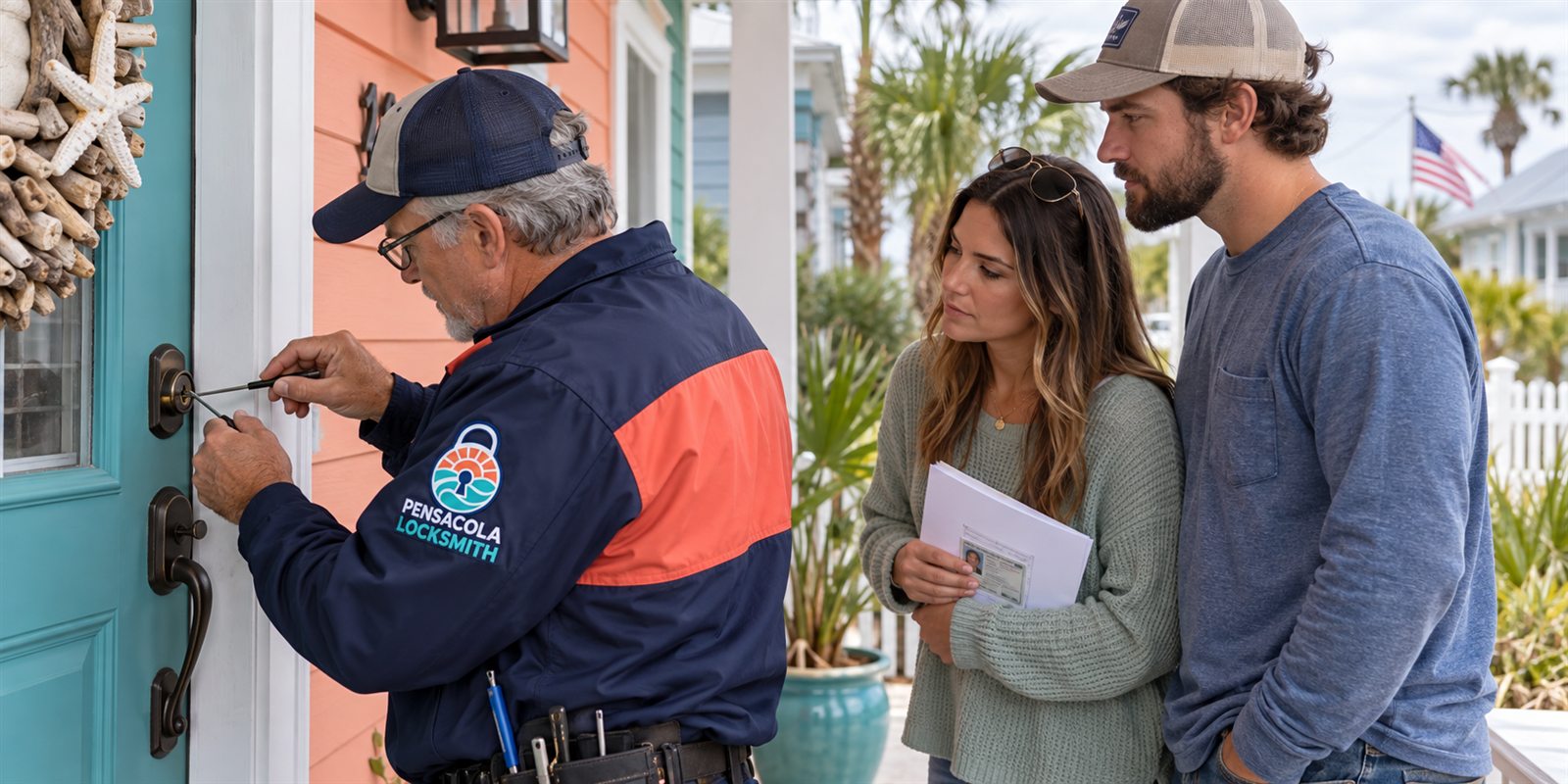
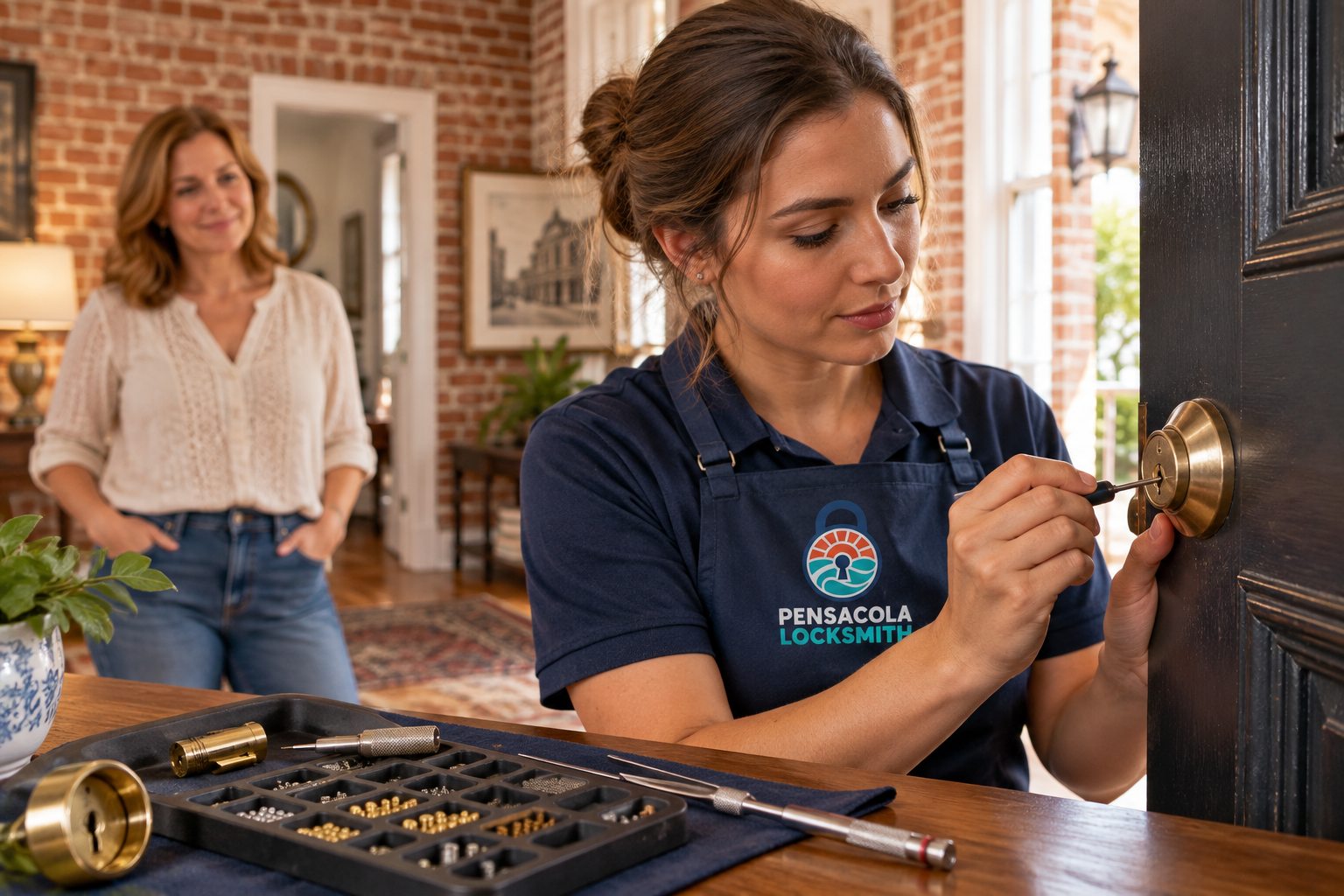
When a tenant calls a locksmith for a lockout, the technician will check that the caller lives there, usually with ID and some proof such as a lease or mail. If the tenant cannot show it, the technician may need the landlord's approval. This extra step protects everyone, and it is better for tenants to know about it before they are locked out.
A lost key is different from a lockout. If a tenant loses a key, especially with an address attached, rekeying the lock is a prudent response. Document the date and the reason. If a tenant leaves under difficult circumstances and does not return keys, rekey immediately rather than wait until the next move-in.
Emergencies such as a break-in, a storm-damaged door or a fire may require fast action. Keep the contact for a trusted locksmith in your phone and call to confirm availability when you need help. After an incident, a technician can secure the opening, assess what is damaged and advise on lasting repairs.
Records, notices and tenant communication
Good records save time. For each unit, keep a simple log: date of last rekey, lock brand and type, number of keys issued, any code changes, and notes about repairs. A spreadsheet is fine. When a question comes up months later, you can answer in a minute. It also shows tenants that you take their safety seriously.
Tell tenants how the system works. A brief welcome page can explain whom to call, how to report a lost key, and what not to do, such as duplicating keys or changing locks without notice. Be clear that they should not add their own lock to the door without permission, because it could block access in an emergency.
Give notice when you or a technician will enter, according to your lease and the rules that apply. Surprise visits erode trust. If a repair requires lock work, schedule it and explain what will happen. Tenants who feel respected tend to cooperate, report problems earlier and take better care of the property.
Review everything once a year. Look at your key list, your lock types, your policy for lost keys and your vendor contacts. Rental markets in Pensacola shift with the seasons, the military calendar and school years, so a regular review keeps your process in step with how your properties are actually used.
Working with a locksmith as a landlord
A locksmith can become part of your turnover routine. Call us to talk through your properties and to confirm availability. Quotes are given by phone, which lets you budget by unit. For more complicated work, such as a master key system or damaged doors, a technician visits and the service call charge is explained before dispatch.
Expect to show authority. Before rekeying or changing hardware, a technician checks that you own the property or are authorized by the owner to manage it. A deed, management agreement or similar proof will do. This step prevents mistakes and keeps lock services from being used against a rightful owner or tenant.
Batch work when you can. If several units turn over at once, ask about combining visits. Share unit addresses, door counts and any known problems in advance. A well prepared list helps the technician bring correct parts and finish quickly, which means less time with vacant units.
Finally, keep expectations realistic. Locks reduce risk but do not eliminate it. A rental managed with steady habits, clean records and honest communication will be safer than one with fancy hardware and no routine. Build the habit first, then add hardware where it makes sense for your particular units.
Common questions
Should I rekey after every tenant leaves?
Yes, it is the most reliable habit for rental key control. You cannot know how many copies a tenant made or lent out. Rekeying makes all old keys useless while keeping the same hardware. Schedule it after move-out and before the next move-in. Call us to confirm availability and to discuss multiple units.
Can a tenant change the locks themselves?
That depends on the lease and the rules that apply, so check both. Most landlords require permission, since an unapproved change can block access in an emergency. A locksmith will ask for the owner's authority before altering a rental door, and may request written approval from the landlord or manager.
Are keypad locks better than keys for rentals?
They reduce key handling because you can change codes between tenants. The tradeoffs are batteries, programming and hardware quality in humid coastal air. Some landlords use keypads for shared entries and keys for private doors. A technician can suggest what fits your units after hearing how you run them.
What is a master key system and do I need one?
It lets one key open many doors while each tenant key opens only its own unit. It suits buildings with several units but concentrates risk in the master key. For a few homes, a simple spare for each door is usually enough. We can explain the tradeoffs by phone.
What happens if a tenant is locked out and I am not available?
A locksmith will check that the caller lives there, usually with ID and proof such as a lease or mail. If the tenant cannot show it, the technician may need to reach you for approval. Setting a clear lockout policy in the lease avoids confusion at awkward hours.