
Content note: this page was written by Claude (AI) for Pensacola Locksmith.
How storms damage doors and locks
High winds push on a door like a sail. A door facing the wind can flex, and the latch and hinges take the strain. Over repeated gusts, screws loosen, frames shift, and the bolt may be forced against the edge of the strike. Even if the door stays shut, the alignment can change.
Water is the second force. Wind driven rain finds gaps around frames and thresholds, soaking the lower parts of a door. Wood swells, metal begins to corrode, and electronic locks can short out. Flooding adds mud, sand and debris that clog keyways and tracks.
Debris adds impact. Flying branches, roof material and loose objects can strike doors and dent them, crack glass, or bend frames. A dent near the lock can jam the latch, and a bent edge can stop the door closing. The damage is not always dramatic, but it matters for security.
The effects often show up days or weeks after the storm. Wood that took on water continues to swell or later shrinks as it dries, shifting the fit again. Metal parts that were soaked begin to rust as the moisture lingers. A lock that worked right after the storm can fail in the following weeks, so recheck your doors once the cleanup is done and the house has dried out.
Safety first before any repair
Before inspecting doors, make sure the area is safe. Watch for downed power lines, broken glass, standing water and unstable structures. If the house has been flooded, electricity may be hazardous. Wait for utility or emergency clearance when in doubt, and wear sturdy shoes and gloves.
Do not force a door that sticks after a storm. A frame may be under strain, and forcing it can cause glass to break or a panel to fall. If the door will not open, check for obstructions and swelling first. If it still does not move, call for help rather than risking injury.
If you must leave the home, secure it as well as you can. Close and latch what you can, and consider boarding openings that cannot be locked. Tell a neighbor or relative where you are going. Keep records and photographs of any damage for insurance before you start cleaning up.
Keep in mind that a storm also affects the people around you. Neighbors, tenants and relatives may have lost access to their own homes, and key and lock problems can pile up. If you have the ability, share information about reliable tradespeople, and check on those who may have difficulty. Lock repairs might not be the biggest need, but a secure home gives a basis for recovery.
A simple post-storm door check
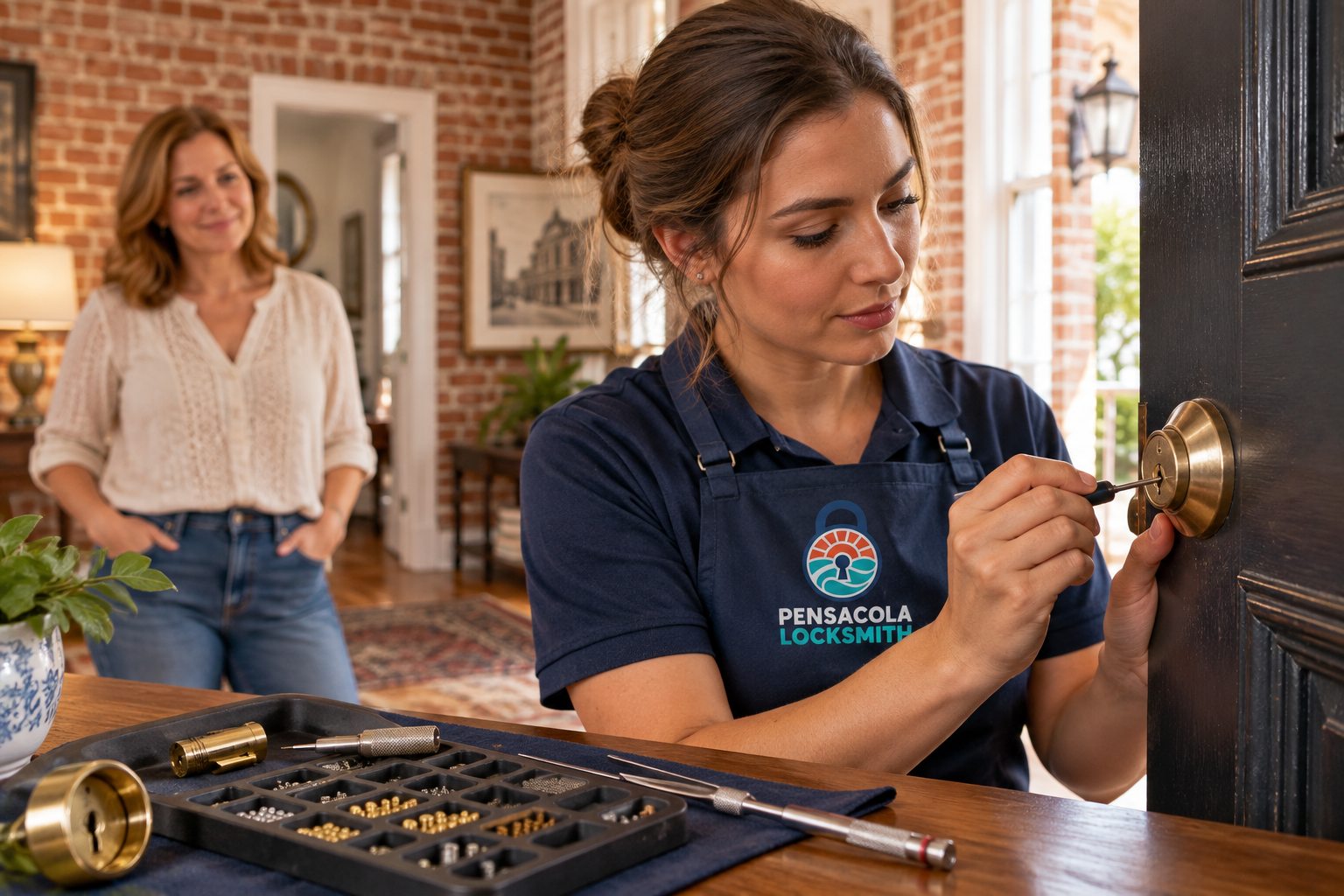
Walk through each exterior door and test it. Does it close fully? Does the latch catch? Does the deadbolt extend without force? Look at the gap around the door and at the bottom threshold. Note any new gaps, wet stains or visible bends. Write down findings for each door.
Check the strike plates and hinge screws. Wiggle the door and see whether anything moves. Look at the area around the strike for cracks or splintering. Press on the jamb to see if it feels spongy. Soft wood suggests water damage that will need attention from a carpenter.
Test the lock cylinders and keys. A key that sticks may mean sand or debris in the keyway. Do not force it. A gentle puff of dry lubricant can help, but gritty residue suggests the lock needs cleaning. Electronic locks that do not respond should be checked for water ingress and battery condition.
Photographs and a simple written list make the post storm check useful. For each door, note the location, what you observed and what you did. Include the time and date. If the insurer asks, you will have an organized record. If you hire several trades, the list helps ensure that nothing is missed and that each person knows what has already been addressed.
- Door closes fully and latch catches
- Deadbolt extends without lifting or pulling
- No new cracks around the strike or hinges
- Keys turn smoothly with no grit
- Frame feels solid, not soft or damp
Frames, strike plates and hinges
Frames take the load of the door. Wind pressure pushes the door toward the frame, which can crack the jamb near the strike or loosen screws in the hinges. A hairline split may be easy to overlook, but it weakens the frame and affects how the strike holds the bolt.
The strike plate often shows damage first. A bent lip, enlarged screw holes or a plate pulled partially out of the wood tells you the latch has been under load. Replacing it with a heavy duty strike secured by long screws into the framing is a quick and valuable repair.
Hinges should be checked for loose screws and bent leaves. Replacing short screws with longer ones, or fitting new hinges, can restore the door to square. In metal frames, bent hinge pockets may need professional repair. A locksmith can handle many of these tasks and will say when the job belongs elsewhere.
Metal doors can be dented by debris, and a dent near the lock or edge can bind the latch. Sometimes careful reshaping works, but the door skin may crack. Hollow metal frames used in some commercial buildings can bend at the hinge pockets or strike area. These repairs are best done by a door specialist, and the locksmith will take care of the hardware afterward.
Sliding doors and glass entries
Large glass doors are vulnerable. Wind pressure can bow the panels, pop the latch out of its keeper, or lift the door from its track. After a storm, check for cracked glass, damaged seals and track deformation. A door that no longer sits straight cannot lock properly, and the gap may let rain in.
Latches on sliders are often thin and light. They can bend under pressure, and the keeper may pull away from the frame. A replacement latch and keeper secured with good fasteners usually fixes this, provided the track and frame are sound.
If glass is cracked or broken, make the area safe and keep people away. Cover the opening to keep rain out until a glass company can repair it. A locksmith can help secure the door and lock, but replacing glass and resealing frames are tasks for other trades.
If you have double doors, check the flush bolts and the astragal, the strip between the two leaves. Wind can strain these, and bent bolts can stop one door from latching. Make sure the inactive leaf is held securely, since a loose inactive door can swing open in the next gust. A technician can adjust or replace these parts and align the doors.
Electronic and smart locks after storms
Keypads and smart locks are sensitive to water and power surges. Check them for moisture inside the battery compartment, corrosion on contacts and error messages. If the lock has been wet, do not keep pressing buttons. Remove the batteries, dry the area, and let it rest before testing again.
Lightning and power surges can damage lock electronics, especially for locks linked to hubs or networks. If the lock is dead or erratic, use the mechanical key backup, if present. Keep that key somewhere accessible. A lock without a mechanical override can become a lockout risk when power or electronics fail.
In some cases, replacing the electronic parts is enough. In others, the whole lock needs replacing. A technician can test the unit and advise. For homes in areas that flood or lose power often, consider hardware with a reliable mechanical backup and robust seals.
Keep in mind that power outages can last a while after a storm. If you rely on an electronic lock, be sure you have a way to open and close the door without power. Keep fresh batteries, a mechanical key, and a plan for who has access. A lock that cannot be operated during an outage is a risk, especially if you must leave the home unattended.
Securing a home that cannot be locked yet
Sometimes damage is too severe for same day repair. In that case, temporary measures can protect the home. Bar braces, surface bolts, door jammers and screwed on panels can hold an opening closed. They are not pretty, but they stop easy entry while permanent work is arranged.
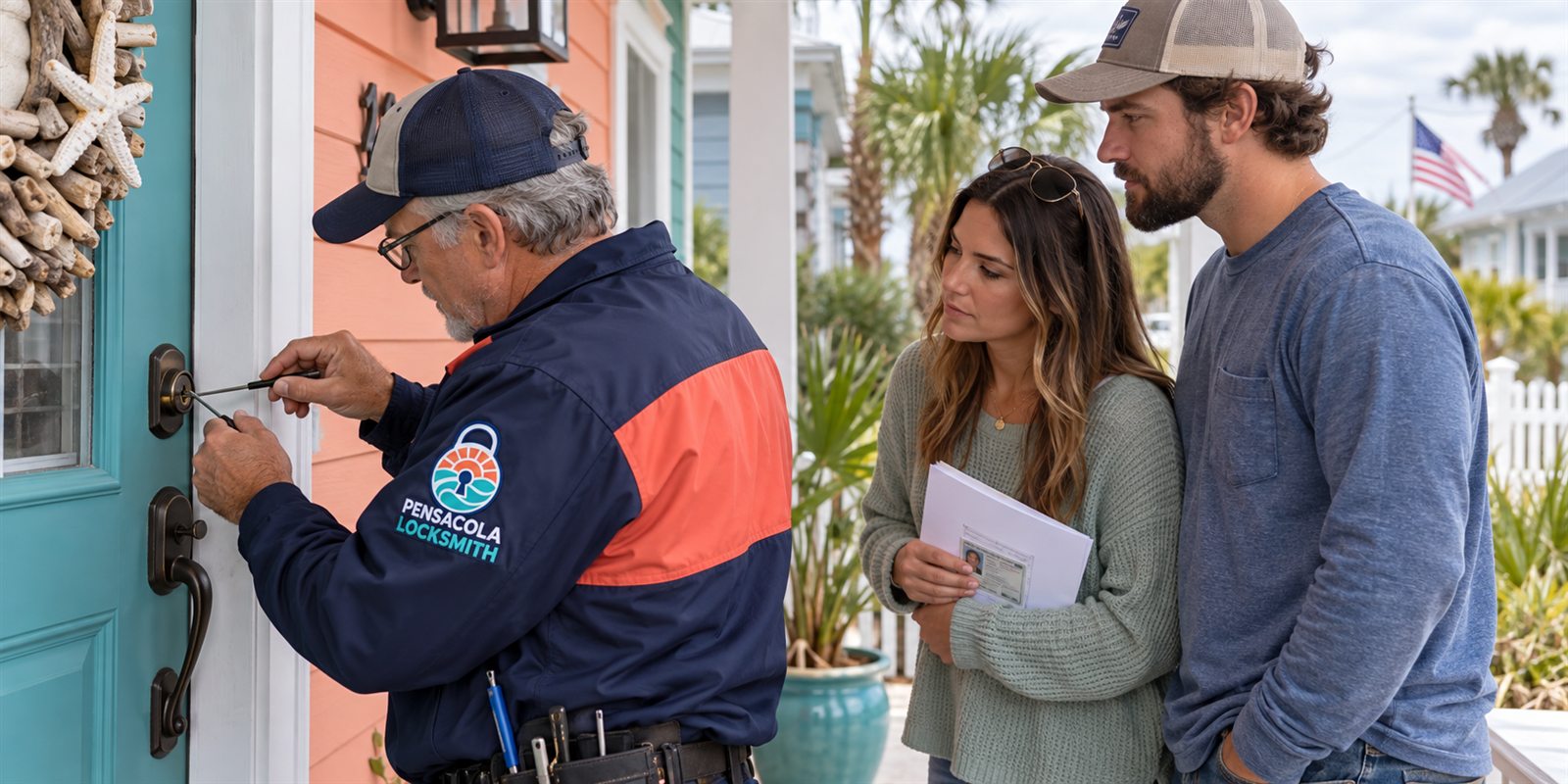
A locksmith can fit such measures and advise on what is practical. Ownership or authority is confirmed first, as for any lock work, and especially after a storm, when scams and opportunists are around. Be wary of anyone who offers work door to door without identification.
Keep valuables and documents with you or in a safe place away from the damaged area. Photograph the opening and the repairs for your records. Plan permanent repairs as soon as parts and tradespeople are available, and do not let temporary solutions stay in place longer than necessary.
Scammers sometimes target storm affected neighborhoods, offering quick repairs for payment up front. Be careful about anyone who demands full payment before starting, refuses to give a clear description of the work, or cannot show a business name. A legitimate technician explains the job, gives a quote by phone or after assessment, and does not pressure you. Take your time, even when conditions are stressful.
Insurance, documentation and who to call
Contact your insurer early and ask what documentation they need. Photograph all damage before cleanup, including close ups of locks, frames and hardware. Keep damaged parts if you can, and keep receipts for emergency work. Many insurers cover repairs needed to secure the property.
Not every problem is a locksmith problem. Rotten frames, broken glass and warped doors need carpenters, glaziers or door contractors. A locksmith can tell you where the lock work ends and other trades begin, which helps you order repairs sensibly and avoid paying for work that will have to be redone.
If you rent, notify the landlord or property manager. Lease terms may govern who arranges repairs. If you manage several properties, make a list of affected doors and prioritize by security risk. Having a plan before the next storm makes the aftermath easier to handle.
Once the immediate problems are dealt with, schedule a more complete review. Look at all doors, windows and locks, and note what is worn or aging. Use the quiet period after storm season to plan upgrades, order parts and book work. A steady, planned approach leaves you better prepared for the next event and avoids panic purchases when time is short.
Preparing doors before the next season
Each year before hurricane season, check door hardware. Tighten hinge screws, replace worn weatherstripping, lubricate locks lightly, and test deadbolts. Make sure keys work, spares are accessible, and any electronic locks have fresh batteries. Replace short strike plate screws with long ones.
Consider upgrading vulnerable doors. A solid core or impact rated door, a heavy duty strike, and a deadbolt with a solid throw help doors withstand pressure. For sliders, consider anti-lift blocks and secondary locks. These steps do not make a home storm proof, but they reduce the chance of failure.
Keep a short list of contacts and a record of your locks and keys. After a major weather event, call us to confirm availability, since demand for lock and door work can be high. Preparing in advance means less to decide when conditions are difficult.
What to expect when you call
Describe the damage and what the door does now. Say whether it closes and locks, whether the home is secured, and whether there is flooding. A few photographs help. Quotes are given by phone for simple work, and call us to confirm availability.
On site, the technician confirms ownership or authority, inspects the locks, strike plates, hinges and frames, and explains what is needed. Immediate steps focus on making the door secure. Other repairs can be planned in a sensible order.
If the damage is extensive, a technician visits to assess it and the service call charge is explained before dispatch. You decide what to do now and what to arrange with other trades, with a clear understanding of how the lock work fits in.
Commercial doors, rentals and vacation homes after a storm
Businesses need to open as soon as they can, and a door that will not lock stands in the way. Storefront doors with panic hardware, closers and heavy glass can be damaged by pressure or debris. A locksmith can often adjust or repair hardware quickly, but a damaged closer or a bent frame may need other trades. Safe exit must always be maintained, so any temporary measure should still let people leave.
Rental owners and managers should check each unit as soon as access is safe. Document the condition of every door and lock, and notify tenants about repairs. Where tenants have already left, check that no one has entered. Rekeying after a long vacancy, or after a tenant departs because of storm damage, is a sensible step so that missing keys are no longer a risk.
Vacation homes and second homes are especially exposed, since no one may be present after a storm. If you cannot get there quickly, ask a trusted person to check the property, or arrange for a professional to secure it. Authority to access and work on the home must be confirmed with the owner. Call us to confirm availability, and keep contact details for caretakers up to date.
Common questions
My door looks fine after the storm. Do I need to check the lock?
Yes, it is worth a quick test. Wind can shift frames and loosen screws without visible damage. Check that the latch catches, the deadbolt extends easily and nothing wobbles. A small misalignment now can become a lockout or a security gap later.
Can a wet electronic lock be saved?
Sometimes. Remove the batteries, let the lock dry completely, and test it. If it still fails or shows corrosion, it likely needs replacement. A mechanical key backup is valuable. A technician can test the lock and advise whether repair or replacement makes sense.
What should I do if my door will not close or lock after a storm?
Secure the opening as best you can and avoid forcing the door. Check hinges and look for debris or swelling. A locksmith can fit temporary security and repair hardware, and will tell you if a carpenter or glass company is also needed. Call us to confirm availability.
Does a locksmith repair frames and glass?
Lock work includes strike plates, hinges, latches and reinforcement. Larger frame repair, rotten wood and glass belong to carpenters or glaziers. The technician will tell you where each begins and ends so you can arrange the right trades.
How can I prepare my doors before hurricane season?
Tighten hinge screws, fit long screws in the strike plate, replace tired weatherstripping, lubricate locks lightly and test every key. Replace batteries in electronic locks and keep a mechanical backup. Consider reinforcing weak doors well before a storm threatens.