
Content note: this page was written by Claude (AI) for Pensacola Locksmith.
What makes older lock hardware different
Many older homes were built with mortise locks, where the lock body is cut into a pocket in the edge of the door instead of drilled through it like a modern bored lock. The case is a heavy metal box that holds the latch, the bolt and the lever mechanism, with knobs or handles on either side connected by a spindle. These locks were made to be repaired, and many that are over a century old still function when cared for.
The keyholes in these doors are often larger and the keys longer than anything made today. Some use a simple skeleton key that works by passing around fixed obstacles inside the lock, while others have more elaborate levers. Because the mechanisms are simpler than modern pin tumbler cylinders, they offer less resistance to someone determined, which is something to keep in mind when thinking about security.
The doors themselves differ too. Solid wood doors in older homes may be thicker, with raised panels and frames that have settled over decades. Hardware has often been repainted, replaced piece by piece, or mixed with later additions. Before deciding what to do, it helps to know what you have, what is original and what is a later patch.
Identifying what you have
Start with a careful look. Is the lock a mortise type, with a rectangular faceplate on the edge of the door, or a surface-mounted rim lock, which sits on the inside face? Is there a deadbolt, and was it added later? A newer deadbolt is often a drilled-in cylinder next to the older hardware, which can weaken a thin door if it was cut carelessly.
Look at the finish and the markings. Maker names or patterns stamped on the faceplate or case can help identify the type and age. Take photos of the front, the edge and the inside of the door, and measure the thickness of the door and the distance from the edge to the center of the keyhole. These details are very helpful when a technician needs to match or repair a part.
Do not assume everything is original. Over the years, locks are replaced when they fail, and a door may have been refitted with parts from a different era. Knowing what is original and what is a repair lets you decide what is worth preserving and what can be updated without regret. A technician can often tell the difference within moments of examining the door.
Skeleton keys, spares and lost originals
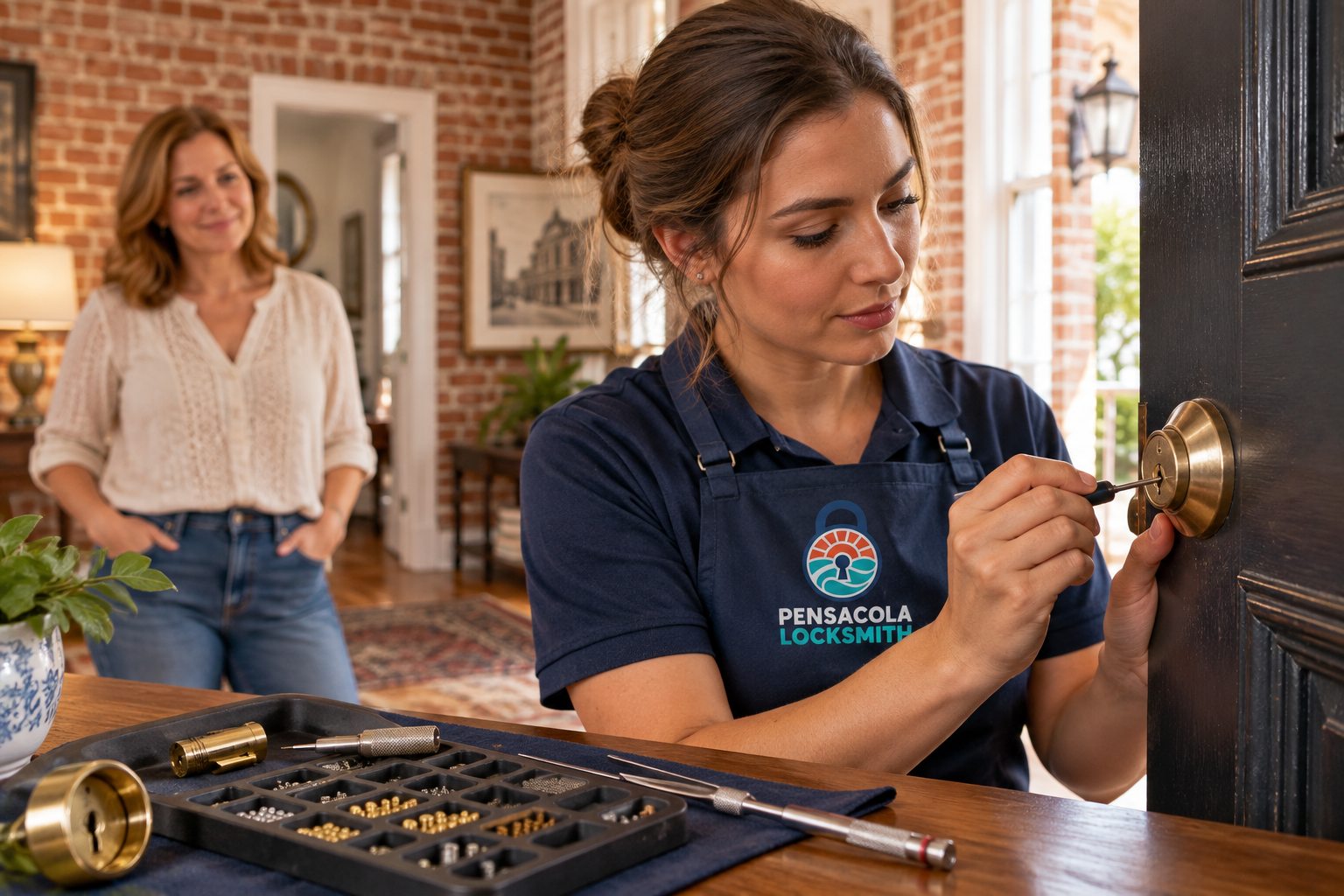
The classic skeleton key is the stuff of old-house charm, but it comes with practical problems. Original keys are often lost over the decades, and a single remaining key may be worn thin. Making a copy of an old key requires care and the right blanks, and not every blank fits every lock. A cut made without checking the lock can leave a key that sticks or fails to throw the bolt completely.
If you have only one key to a historic door, have a spare made as soon as possible. A fresh copy cut from the best original takes the strain off the old one and gives you a backup. Keep the original in a safe place and use the copy day to day. A technician can check that the copy works smoothly before you rely on it.
If every key is missing, there are options. Some mortise locks can be opened without damage, and a new key can be made to suit the lock. In some cases the lock can be rekeyed or the internal parts replaced to accept a new key. A technician will confirm that you own the home or have authority before opening or rekeying, and quotes are given by phone.
Repair before replacement
The best approach to old hardware is to repair what can be repaired. A mortise lock that sticks often needs cleaning, a little dry lubricant, and the replacement of a worn spring or a tired latch, not a new lock. Decades of paint on faceplates can bind the bolt, and gently removing it can restore the action. Rushed replacement removes character that cannot be bought back.
A skilled technician will remove the lock body, clean the internal parts, check the springs and levers, and reassemble it with attention to the original tolerances. Replacement parts are not always available, but some can be fabricated or sourced from salvage. In the Gulf Coast climate, corrosion is often the root of the trouble, and careful cleaning can bring a surprisingly sound mechanism back to life.
Replacement is reasonable when a part is cracked, badly corroded or beyond reasonable repair. When it comes to that, keep the original. Store it labeled with the room and door it came from. That way a future owner, or you, can restore it. It also matters for some preservation guidelines, so check any local rules before removing original hardware from a protected property.
Adding security without damaging the door
Historic hardware is charming, but it is not always secure. A common solution is to add a modern deadbolt while keeping the original knob and plate in place. The new deadbolt does the real work of securing the door, and the old lock stays as a latch and a visual feature. Done well, the addition is nearly invisible from the street.
The way the deadbolt is installed matters. Boring a large hole through a thin or aged door can weaken it, and a poorly placed hole can split old wood. A technician will measure carefully, consider the door's condition and choose a position that avoids existing joints. In some cases, a surface-mounted or specially sized lock is a gentler fit for a delicate door.
Do not forget the frame and strike. A strong lock in a weak frame is only as secure as the frame. Long screws that reach the framing behind the trim, and a reinforced strike plate, add real strength to old doors. Where appearance matters, plates can be finished to match the existing hardware. It is a small adjustment that makes a large difference.
Windows, transoms and sash locks
Older homes often have many windows, tall double-hung sashes and sometimes transoms above doors. Their small brass latches, called sash locks, hold two sashes together. After many years, they loosen, bend or break, and the windows may no longer lock tightly. In the damp coastal air, the screws that hold them can corrode or strip.
Replacing a sash lock is usually straightforward, though matching the style may take effort. If a window will not lock firmly, consider adding a secondary measure such as a pin or a sash stop that can be released from inside. Be careful not to create a barrier that traps people in an emergency. Windows in bedrooms need to open quickly if there is a fire.
Check the wood around each lock. Rot in the sash or the frame means the screws have nothing to hold, and a new lock will not fix that. A carpenter may need to repair the wood first. A technician can tell you whether a lock problem is a hardware issue or a sign of a deeper repair the window needs.
Humidity, paint and old finishes
In a humid climate, old hardware faces constant moisture. Brass tarnishes, iron rusts, and layers of paint build up around faceplates and into keyholes. Painting over hardware is a common shortcut that causes lasting trouble, because paint glues the latch and fills the keyhole. When you repaint, take off the knobs and plates or mask them carefully.
Cleaning should be gentle. Harsh chemicals can strip lacquer, dull the finish and eat into soft metal. A soft cloth, mild soap and water, then thorough drying, is the safest start. For stubborn paint, a technician or a restoration specialist can use methods that protect the surface. Avoid abrasive pads that scratch and leave bare metal exposed to humidity.
Many owners choose to leave the patina. A slightly aged finish tells the story of the house. If you do want to refinish hardware, use products suited to the metal, and apply a protective coating so that coastal moisture does not undo your work in a season. Test in a small area first, and keep original screws, which are often unique in size and thread.
Rekeying and master options for old locks
People often assume an old lock cannot be rekeyed. The answer depends on the lock. Some mortise locks accept a modern cylinder in place of the original keyway, which lets you use a standard key while keeping the case and the trim. This swap can be a strong compromise, giving you a reliable modern key and a preserved door.
In other cases, the lock uses a lever system that cannot be rekeyed in the usual way, but the levers can be altered or replaced so that a new key is required. If you have several old doors, a technician may be able to set them so that fewer keys are needed, or keep specific doors, such as a detached garage or guest house, on separate keys.
All rekeying starts with proof of ownership or authority, since changing a lock changes who has access. Renters of historic homes should be careful, as the owner may have preservation concerns and the lease may restrict changes. Call us to talk through what is possible with your hardware, and we will explain the options before any work is done.
Historic districts and preservation rules
Some older properties lie within historic districts or are listed for preservation, and there may be rules about changes to exterior features. Door hardware, especially on street-facing doors, can fall within those rules. Rules vary, and we do not give advice on the requirements for a specific property. Check with the relevant local office or your homeowners association before making visible changes.
Even without formal rules, it is wise to treat original hardware as part of the home's value. Reversible changes are the safest. A deadbolt installed in a way that can be removed and the door patched, or a modern cylinder swapped into an old case, can often be undone later. Permanent alterations, such as cutting a large new hole, are harder to reverse.
Keep records. A simple folder with photos of each door before and after, notes on what was changed and why, and any original parts stored safely can be valuable to future owners and to anyone who later restores the house. A technician can also write down what was done on the invoice, which helps your records.
Interior doors, pocket doors and closets
Inside an older house, the locks tell their own story. Bedroom doors may have simple privacy latches, pantry doors may have small mortise locks with tiny keys, and pocket doors slide into the wall with hardware that can easily jam. These interior pieces are rarely about security, but they matter for privacy and for the daily feel of the house, and they are easy to damage by forcing.
If an interior door will not open, avoid shoulder charges. Many old doors are solid and heavy, and the frames can split. A technician can often release a latch from the edge with a thin tool, leaving the door and frame undamaged. For pocket doors, the track and rollers are the usual suspects, and forcing the pull can pull the hardware out of the wood.
Keep small keys together, labeled and stored. Old interior keys are easy to lose and difficult to replace, and a household with several unlabeled keys will spend years guessing. A small board or box with hooks and tags near the entry is a simple fix, and it hands down useful knowledge to whoever owns the home next.
Working with a technician on an old door
When you call about a historic door, give as much detail as you can. Describe the lock type, the approximate age of the home, what you have already tried, and whether any parts are missing. Photos help, especially of the edge of the door and the faceplate. Mention if the house is in a historic district so the technician can be careful with visible hardware.
On site, a good technician takes time. They will look at the door's condition, the frame and the strike before touching the lock. They will tell you what they plan to do, what the options are and what each choice means for the original hardware. You should say so plainly if you want the original saved wherever possible, and ask for old parts back.
Quotes are given by phone. If a job is complicated, such as a seized mortise case or a missing key with no spare, a technician visits and the service call charge is explained before dispatch. Please call to confirm availability. An honest conversation about what can be saved, and what should be updated for safety, makes for the best result.
Hurricane season and older doors
Older doors face real challenges during storms. Wind pressure can push on doors that do not seat tightly, and rain can enter through gaps. Weak latches or loose frames can fail where modern ones would hold. Making sure each exterior door closes firmly, latches fully and has a working deadbolt helps your home stay closed against wind.
Check hinges as well. Old hinges can loosen as the wood shrinks and swells, and screws may be stripped. Replace short screws with longer ones that reach into the framing. This simple fix improves how the door sits in the frame and lets the lock work as designed. It is a good job to do well before a storm warning, not after.
If you evacuate, lock the home carefully and carry a spare key. After a storm, check each door and lock for swelling, shifted frames or damage. Do not force a stuck lock. Call us to describe what you see. Availability varies after a storm, so call to confirm availability, and expect to be asked to confirm your authority over the home.
Common questions
Can a very old lock be repaired instead of replaced?
Often yes. Many mortise locks can be cleaned, adjusted and given new springs or parts. A technician will take the lock apart, check each piece and tell you what is worth saving. Replacement is usually reserved for cracked, badly corroded or missing parts.
I only have one skeleton key. What should I do?
Have a spare made soon so the original is not worn down further. Keep the original safely stored and use the copy daily. A technician can test the copy in the lock so it works smoothly before you depend on it.
Can I add a deadbolt without ruining the door?
Usually, with care. A technician measures the door, chooses a position that avoids joints and keeps the old hardware in place. In some cases a surface-mounted lock is a gentler option. Quotes are given by phone, and a visit is arranged for complicated jobs.
Do I need permission to change hardware on a historic house?
It depends on the property. Some are in districts with rules about visible exterior changes. We do not advise on specific requirements, so check with the local office or your association first. Reversible changes are the safest choice.
Will you check that I own the house?
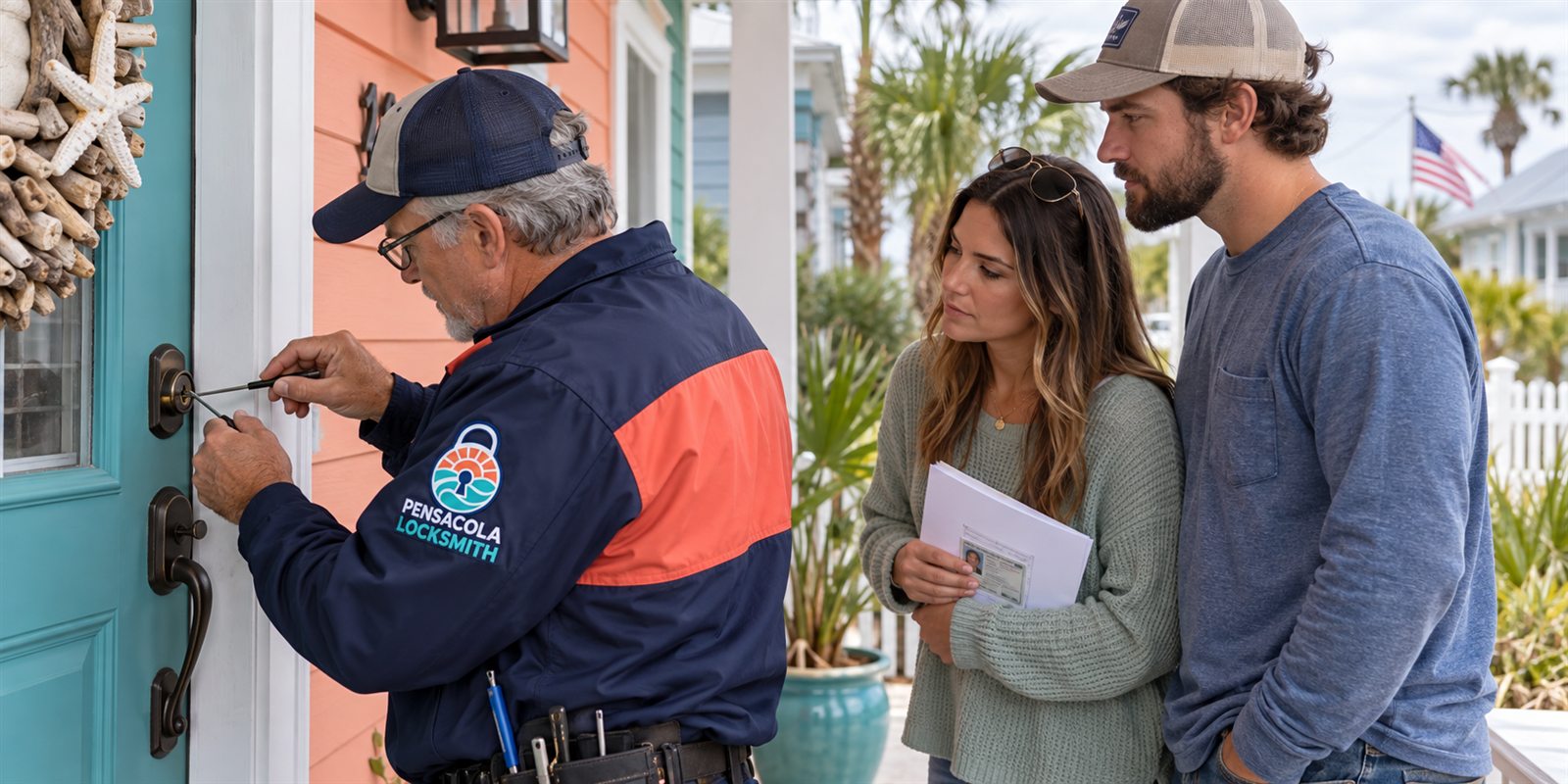
Yes. Before opening, rekeying or changing any lock, we confirm ownership or authority, for example with ID plus a deed, lease or utility bill. This protects you and the property. Call to confirm availability and to discuss what to have ready.