
Content note: this page was written by Claude (AI) for Pensacola Locksmith.
The range of work a home can need
A house has more lock questions than most people realize. There are the entry doors, the back and side doors, garage service doors, sliding glass doors, windows, a shed, a gate and sometimes a mailbox or a storage closet. Each has its own hardware and its own way of failing. Residential locksmith work touches all of them over the life of a home.
Common calls include lockouts, lost or broken keys, locks that stick or turn hard, doors that will not latch, and requests to match all the locks to one key. Others involve a new home purchase, a move, a breakup or a roommate change. Some are planned upgrades, like adding a deadbolt or fitting a keypad.
What ties these together is that locks protect people and belongings. Good work is not only about opening a door or installing a part. It is about making the home easier to live in and harder to enter by anyone who should not be there. We approach each call with that in mind.
Lockouts at home
Being locked out of your own house is one of the most common reasons people call. It can happen with keys inside, a door that locked behind you, a key that snapped, or a lock that suddenly will not turn. Whatever the cause, the first step is a calm look at the options.
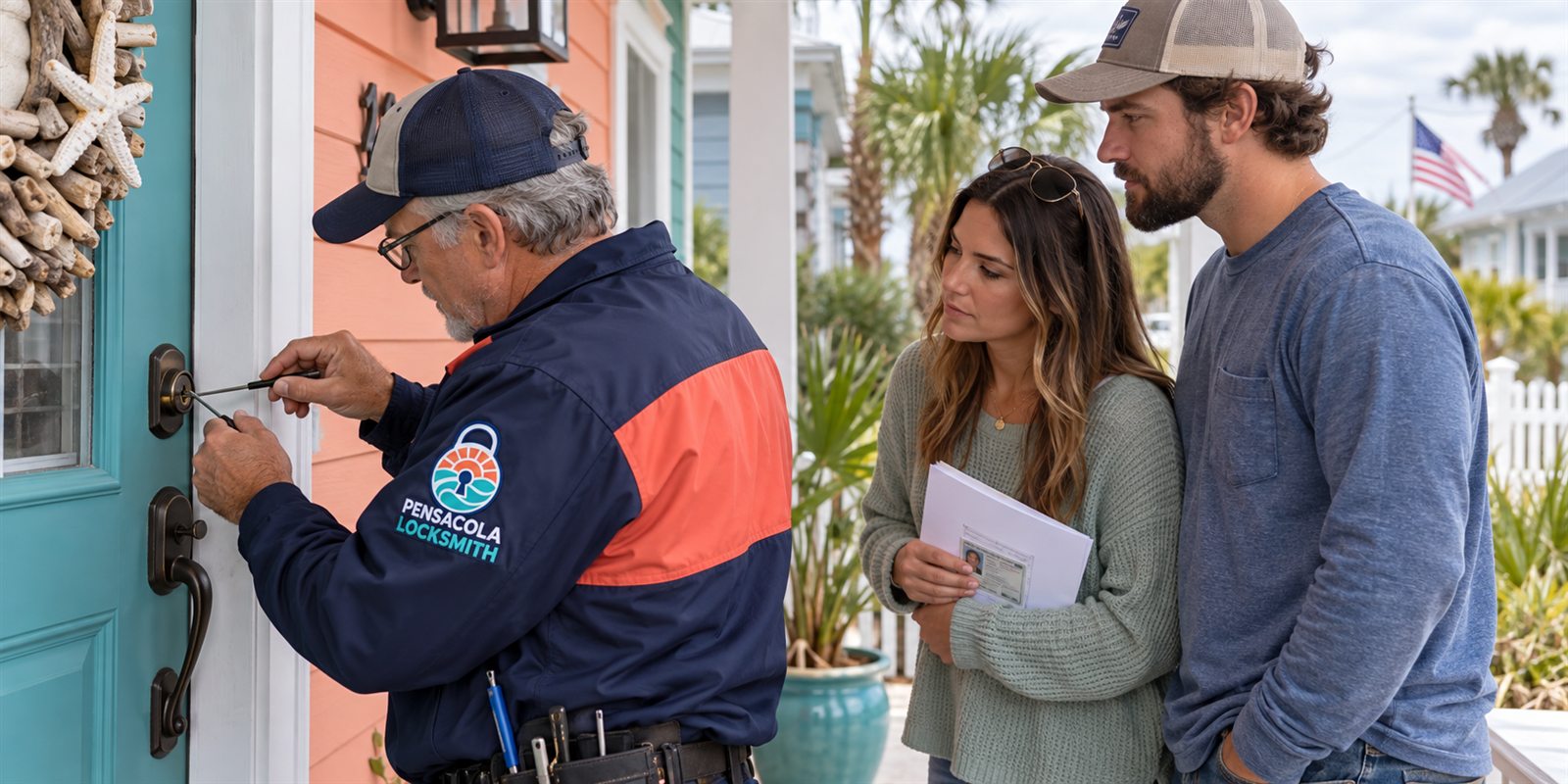
The technician starts by checking the lock type, the door and your situation. Many house locks can be opened without damage using careful methods. A spring latch may be slipped open with a thin shim, a deadbolt may need a more delicate approach, and some doors need the lock removed. The aim is to enter and leave the door working as before.
Before opening, we check that you live there or have authority over the home. An ID that matches the address is often enough. If you rent, permission from the landlord or manager may be needed. This feels formal in a stressful moment, but it keeps the home safe from someone who might claim to be a resident.
Rekeying versus replacing a lock
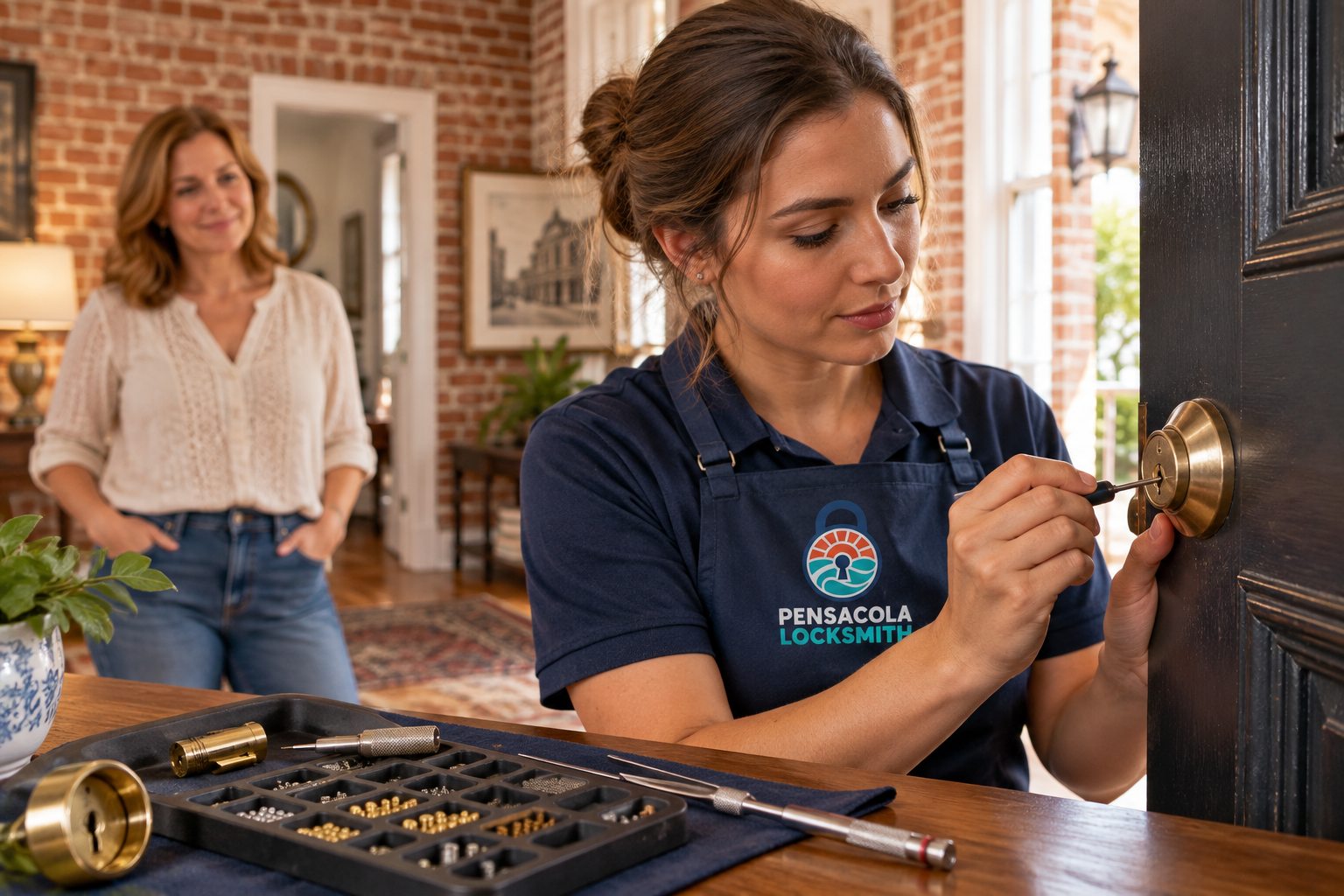
Rekeying changes the internal pins of a lock so old keys stop working and a new key fits. The lock itself stays on the door. It is a smart choice after a move, a lost key or a change in who lives in the home. It is also usually simpler than replacement, because there is no new hardware to fit.
Replacement means swapping the whole lock. It makes sense when the lock is worn, damaged, outdated or does not match what you want. A deadbolt with a sticky bolt, a handle that sags or a cylinder with a damaged keyway may be better replaced than repaired.
The decision depends on the condition and quality of what you have. A good lock in decent shape can often be rekeyed for years. A poor lock might cost less to replace than to keep fixing. We give you an honest opinion and explain the tradeoffs. You decide based on your budget and what matters to you at home.
How to decide what each door needs
Not every door in your home needs the same lock. The front door is the main entrance and usually deserves a solid deadbolt and a reinforced strike. A back door that faces a private yard may need similar strength, particularly if it is out of sight. A garage service door and sliding doors are often overlooked.
Think about how each door is used. A door used daily needs a lock that is easy to operate and durable. A door seldom used may need a simple secure lock and perhaps a bar or pin. Windows near doors can undermine the door itself, so consider what is within reach of a hand through broken glass.
A technician can walk through the home with you and suggest changes that make sense, not a list of expensive extras. We look at door material, frame condition, hinges, sight lines from the street and how the household moves in and out. The goal is a sensible plan, not a complete overhaul.
Keys, copies and who holds them
Over the years, keys spread. Family members, neighbors, friends, former roommates, cleaners and repair workers may all have copies. Knowing how many keys exist and who holds them is the first step to controlling access. A simple written list is surprisingly useful.
If you are not sure who has keys, rekeying resets the situation. After rekeying, only the new keys work. You decide who gets a copy. This is often done when buying a home, ending a relationship or after a break in. It does not require new hardware and gives you clean control.
Try to avoid hiding a spare key in obvious places such as under a mat or in a flower pot. Those are the first spots anyone checks. A trusted neighbor, a family member or a small lockbox placed in a discreet but secure location is a better answer. We can discuss options that fit your home and lifestyle.
Older and historic homes
Pensacola has many older homes, and some are historic. They may have original doors, mortise locks and skeleton keys, or hardware that has been replaced over decades in a patchwork. These features give a house character, but they also create special challenges for security and for repairs.
A mortise lock sits in a pocket cut into the edge of the door. Parts may be hard to find, and the lock can be fixed rather than replaced more often than you would expect. Preserving original hardware is often possible, with a technician adjusting, cleaning and rekeying. If a modern deadbolt is added, care is taken to avoid damaging old wood.
Older doors may also be thicker, warped or out of square after years of weather. The fit between door and frame matters for lock performance. We look at it carefully and tell you whether adjustments can help. Sometimes a small change makes a lock work like new, preserving both the look and the function of the home.
Coastal wear and what it does to locks
Humidity and salt air are a daily reality here. They work on metal finishes, cylinders and springs. Locks can become stiff, gritty or sticky, particularly on exterior doors close to the water. Hinges can rust, and screws can loosen as wood swells and shrinks with the seasons.
A bit of care helps. Keep keyways clear of debris and wipe exterior hardware occasionally. Use a lubricant designed for locks, not heavy oil. Check that doors close easily and latch without force. If you have to lift or shove a door, the lock and strike may be misaligned, and the problem can grow.
If a key feels rough going in, or a lock needs a jiggle, do not wait for it to break. Early service can save a key from snapping off and a lock from failing at a bad time. A short visit to clean, adjust or replace a worn part is easier than an emergency in the middle of the night.
Upgrades that make sense for most homes
Many security improvements are simple and sensible. A deadbolt with a reinforced strike plate and long screws strengthens a door at its weakest point. Longer screws in hinges help the door resist force. A solid, well fitted door and frame matter just as much as the lock. These changes do not require a total remodel.
Smart locks and keypads suit some households. They remove the need to carry a key and allow easy code changes. They also bring batteries and, sometimes, networks to think about. We help you decide whether they fit your situation and make sure a mechanical backup remains.
Lighting, visible doors and clear sight lines add to security as well, though they are beyond our locks. A porch light that works, trimmed shrubs near entry points and a door that is visible from the street all make a home a less attractive target. We are happy to share ideas, while staying focused on what we do best.
Renters, landlords and shared homes
Tenants and landlords have different rights and duties. A renter usually cannot change locks without permission, and a landlord must follow the lease and local rules. We ask about the arrangement and may need a landlord's consent before work begins. This protects everyone involved.
For landlords, rekeying between tenants is a basic security step. It ensures old keys no longer work. Keeping the system tidy, with a master or a consistent keying plan, makes turnover smoother. We can help set up a method that works across several units.
Roommates and shared houses add complexity. People move in and out, and keys get passed along. Consider individual bedroom locks that can be changed independently, and a clear understanding of who is responsible for what. A short written agreement about keys and lock changes avoids misunderstandings later.
Hurricane season and home lock readiness
Storm season is a good time to review the locks in your home. Wind pressure and water can stress doors and frames. Make sure hinges are tight, strike plates are secure and doors close fully. A door that latches easily is better able to resist a storm than one that barely catches.
If you evacuate, take important papers and a spare key, and consider leaving a spare with a trusted person who can check the home. Note where your keys and codes are stored. If you use a keypad or smart lock, check the batteries before you go.
After a storm, doors may warp or swell. Locks may stick or fail, and electronics may be damaged by water. A technician can help restore function and secure the home. Safety comes first, so check for hazards before entering a damaged building, and call for help when you need it.
What a technician checks during a home visit
At a typical home visit, the technician begins by confirming identity and ownership or authority. They then look at the lock, the door and the frame. They note the condition of the keyway, the smoothness of the bolt, the fit of the latch and the strength of the strike. They listen to how the lock sounds and feels.
They also ask questions. How long has the problem been happening? Has anyone tried to fix it? How many people use the door? Do you have other keys? The answers shape the plan and help prevent surprises. If something else catches their eye, like a loose hinge or a cracked jamb, they mention it.
Then they explain the options and the likely scope. You are told what will be done, what it will involve and whether anything could change the plan. After the work, the technician tests everything with you present, hands over keys and gives simple advice for care. You should feel informed, not rushed.
Getting a quote and booking a visit
Quotes are given by phone based on what you describe. Tell us the door type, the lock and the problem. If you know the brand, say so. Photos can help, though a conversation usually does the job. We explain what is included and what could change.
When a job is complicated, a technician visits and the service call charge is explained before dispatch. This avoids surprises. The decision is yours after hearing the details. We would rather you understand the process than agree under pressure.
Please call to confirm availability. We serve Pensacola and Escambia County, and our service is mobile, so we come to your home. Have ID ready, and be prepared to show you live there or hold authority. With that in place, we can get started on the right foot.
Garage doors, sliding doors and the entries people forget
The door between the garage and the house is often the weakest entry in the home. It may have a basic latch, no deadbolt, and a frame that was never reinforced. Once someone is inside the garage, out of sight, they can work on that door at leisure. Treating it like a front door, with a deadbolt and a solid strike, is a sensible step.
Sliding glass doors need their own attention. The built in latch is often light, and the door can sometimes be lifted off its track. A secondary lock, a bar in the track, or a pin that blocks movement can make a real difference. Which option suits you depends on the style of door and how often you use it.
Side gates, sheds and detached garages hold tools and equipment that can be used to get into the house. Locks on these do not need to be elaborate, but they should be solid and kept in good condition. A short walk around the property with a technician often reveals several easy improvements.
Teaching the household to use locks well
The best lock is useless if it is not used. A short conversation with everyone in the home about locking up at night and when leaving helps. Children old enough to handle keys should know how to use them, and what to do if they lose one. Simple routines are easier to follow than complicated ones.
Make sure everyone knows where spare keys are and who to call in a lockout. Posting a number on the fridge or in each person's phone helps. If you use a keypad or smart lock, make sure each member understands the backup method in case the batteries die.
Finally, review your setup from time to time. After a move, a change in the household or a year of wear, ask whether the locks still suit you. A quick call to talk it through costs little and can catch a problem before it becomes a lockout or a security gap.
Common questions
Should I rekey or replace my locks after moving in?
Rekeying is often enough. It makes old keys useless and costs less effort than replacing hardware. If the locks are worn, damaged or poor quality, replacement may be wiser. A technician can look and give an honest recommendation based on what is on your doors.
Can you work on older historic home doors?
Yes, in many cases. Mortise locks and original hardware can often be adjusted, cleaned and rekeyed rather than removed. If a modern deadbolt is added, care is taken to protect the wood. We tell you what is possible before we begin.
Do I need permission if I rent?
Usually yes. Many leases restrict lock changes, and we need to confirm authority before working. A note from the landlord or property manager typically works. Tell us on the call and we will explain what to have ready.
What is the most useful upgrade for a front door?
A solid deadbolt with a reinforced strike plate and long screws is a strong start. The door and frame must be sound as well. A technician can inspect them and suggest changes that make sense for your home, without piling on extras.
How do I get a quote?
Call us and describe the door, the lock and what is happening. Quotes are given by phone. If the job is complicated, a technician visits and the service call charge is explained before dispatch. Please call to confirm availability in your area.