
Content note: this page was written by Claude (AI) for Pensacola Locksmith.
Why marine locks fail faster than household locks
A padlock on a backyard shed has an easy life compared with one on a dock. Along Pensacola Bay and the Gulf, air carries fine salt particles that settle on every exposed surface. When humidity is high, that salt dissolves into a film and creates a perfect environment for corrosion. Over time it eats into plating, seizes the shackle and clogs the keyway.
Different metals also react with one another. When two unlike metals touch in the presence of salt water, one corrodes faster, a process called galvanic corrosion. A steel padlock hung on a brass or aluminum hasp can start to degrade at the contact points. Choosing compatible materials is part of good marine security.
Heat, sun and tide add stress. Plastic bumpers crack, springs weaken and the lubricants inside the lock dry out or wash away. A lock that works fine in winter may stick in summer. Understanding these forces helps you pick the right hardware and set a realistic maintenance routine.
Think about the layers of security rather than a single lock. A gated dock, a lit pier, a locked box and a secured boat each make theft less attractive. If one layer fails, the others still slow a thief down. For most owners, this layered approach offers a more realistic level of protection than hunting for one perfect padlock.
Choosing a marine-grade padlock
Look for padlocks with stainless steel bodies and shackles, or with sealed bodies and corrosion-resistant coatings. Laminated steel locks with a protective cover can work if the cover is well sealed. Brass bodies resist rust but can be softer, so look for a hardened shackle. A cover or shroud over the keyway helps keep spray and debris out of the cylinder.
Shackle design matters. A short shackle gives thieves less room to use cutting tools, while a long one makes it easier to loop through awkward hardware. For dock gates and boxes, a short shackle with a shrouded body is a sensible choice. Avoid cheap padlocks that look similar but use thin plating over soft metal, because they rust through quickly.
Combination locks avoid keyways, which are a common failure point. However, combination mechanisms can also corrode inside, and the numbers can be easy to wear off. Keyed locks with sealed cylinders often last longer. Whichever type you choose, buy from a reputable hardware source and ask a technician if you want help picking.
Padlock shackle thickness is often advertised, but the way the lock fits the hasp matters just as much. If there is a large gap, a thief can slip a tool in. Choose a lock and hasp that fit closely, with little room to maneuver. A tight fit also reduces movement that wears the lock over time.
- Stainless or well-coated bodies
- Hardened, shrouded shackles
- Sealed or covered keyways
- Compatible hasp materials
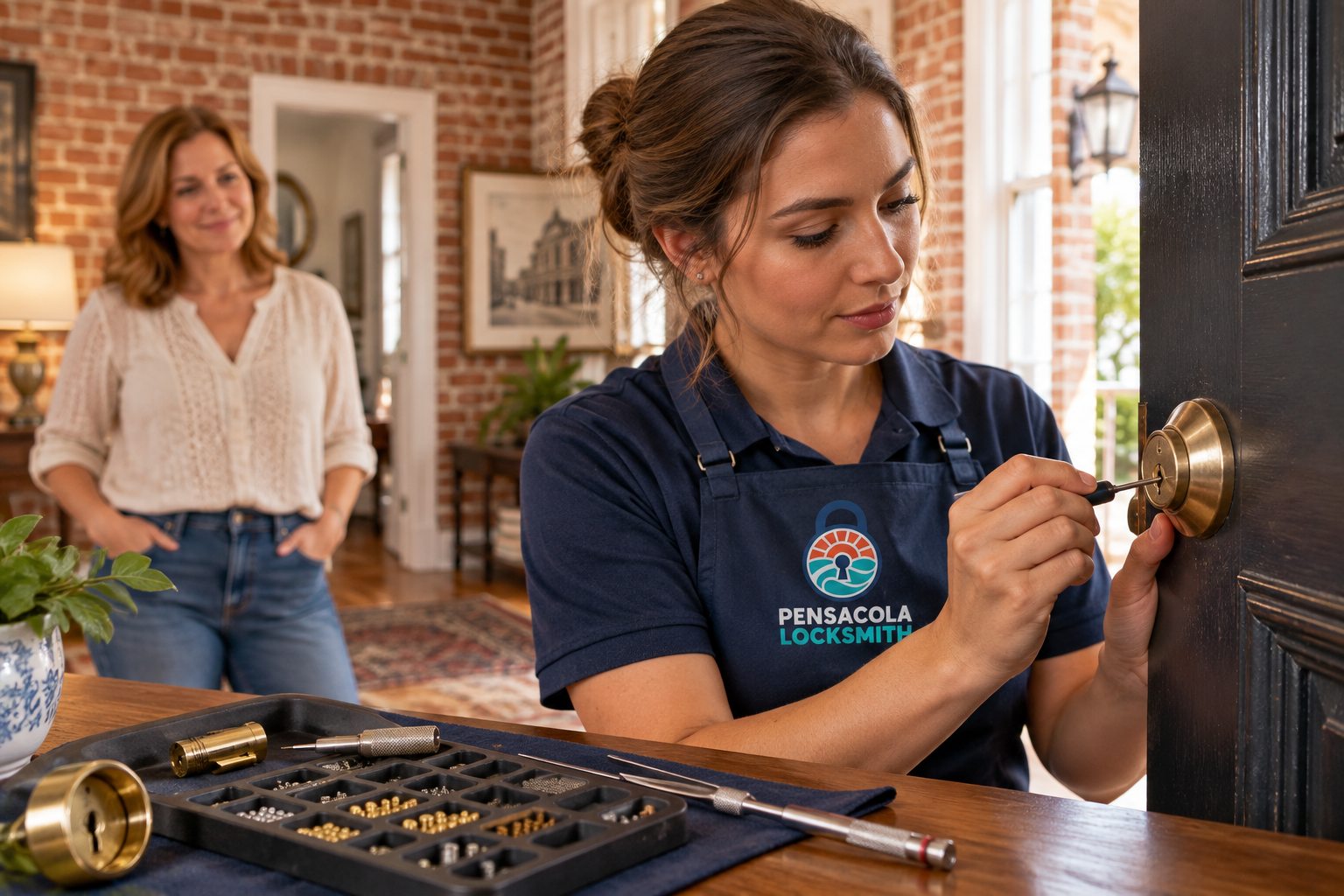
Dock boxes, gates and storage lockers
Dock boxes hold lines, fenders, tools and sometimes valuable gear. The box is only as secure as its hasp and hinges. Check that the hasp is through-bolted with backing plates, not simply screwed into thin plastic or fiberglass. Exposed hinge pins should be fixed or covered, so a thief cannot tap them out and lift the lid.
Dock gates and marina access doors are often shared. Shared keys travel, get copied and wander, so access control matters. A keyed system that allows individual keys to be deactivated, or a rekeyable lock that can be changed when a tenant leaves, helps. Talk with the marina or association about who is responsible for the lock and how keys are issued.
Storage lockers and boat sheds near the water face the same corrosion issues plus the risk of forced entry. Heavy-duty hasps, solid doors and good lighting do more than any single lock. A technician can look at the layout, point out weak spots and suggest hardware that suits the building, the budget and the local conditions.
Ask who else has keys to the dock gate. In some communities, the number of people with access grows quietly over the years. Contractors, former tenants and visiting relatives may all have copies. If you manage a shared dock, a periodic rekey and a clear policy on key distribution can cut risk substantially without much expense.
Securing the boat itself
Boats have several things to protect: the cabin or hatch, the outboard motor, the trailer and the contents. Hatch and cabin locks need to resist both theft and weather. Marine-grade latches with locking cylinders are common, and many boats use small keyed locks that are easy to overlook. Check that these still turn freely and are not corroded shut.
Outboard motors are attractive targets. A lock that fastens the motor to the transom, along with a lock on the steering and throttle, reduces risk. Trailers can be secured with hitch locks and wheel locks. Store the boat where it is visible, well lit and, if possible, behind a gate. Thieves prefer quiet and out-of-sight spots.
Ignition keys for boats are easy to lose overboard. Keep spares in a safe place ashore, not in the boat. If a key is lost or you buy a boat second-hand, ask about rekeying or replacing cylinders. We check ownership or authority before opening, rekeying or programming locks, so bring registration or title paperwork and identification.
Many boat owners overlook the trailer. Hitch locks, coupler locks and wheel locks make a trailer harder to hook up and drive away. Park it where it is visible, and consider chaining it to a fixed point if it is stored for long periods. Check that the locks still turn after each season, since road spray also brings salt.
Maintenance routine for coastal locks
Maintenance is the best defense against seized locks. Every few weeks in peak season, rinse the lock with fresh water to remove salt, dry it and apply a suitable lubricant. Use a lubricant designed for locks, such as a dry graphite or PTFE-based product, rather than heavy grease that traps dirt. Work the key or shackle several times to spread it.
Inspect the shackle, body and hasp for pitting, discoloration and rust bleeding. White powder on brass or aluminum parts is a sign of corrosion. Replace parts that show deep pitting, since weakened metal is easier to cut. A small amount of anti-seize compound on threaded fittings helps prevent seizing, but keep it away from the keyway.
Cover padlocks when possible. A rubber boot or a hinged shroud keeps spray and sunlight off the lock. Hang padlocks with the keyway pointing down so water drains out rather than in. Keep a spare lock and key set ready, because even well-kept locks eventually wear out, and you do not want to be stuck at the dock with a locked gate.
Lubricants should be chosen carefully. Oil-based products attract sand and dust, which can grind inside the lock. A dry lubricant that does not leave a sticky film is generally better for outdoor use. Apply it sparingly and operate the lock several times. If a lock still binds, ask a technician to clean the internal parts.
What to do when a marine lock seizes
If a padlock will not open, resist the urge to force it. Hammering or twisting can break the key or damage the body. Try rinsing the lock with fresh water, drying it, and applying penetrating lubricant to the keyway and shackle. Let it sit for a few minutes and try again, gently. Sometimes that is all it takes.
If the key breaks off or the lock still will not turn, call a locksmith. Removing a broken key requires specialized tools, and cutting a lock off must be done carefully to avoid damaging the hasp or injuring someone. A technician can often open the lock non-destructively, which saves the hardware and your time. Ownership or authority will be checked before any work.
For locks on a boat that is not yours, such as a rental or a shared vessel, contact the owner or manager. They may have a spare key or may need to authorize the work. Please call to confirm availability for your location before heading out. If the job is complicated, a technician visits and the service call charge is explained before dispatch.
A broken or seized lock on a dock gate can strand people or block deliveries. Keep a bolt cutter assessment out of your plan, since cutting a lock without permission can lead to trouble. Instead, call the party responsible for the lock, or a locksmith who will check ownership or authority before acting.
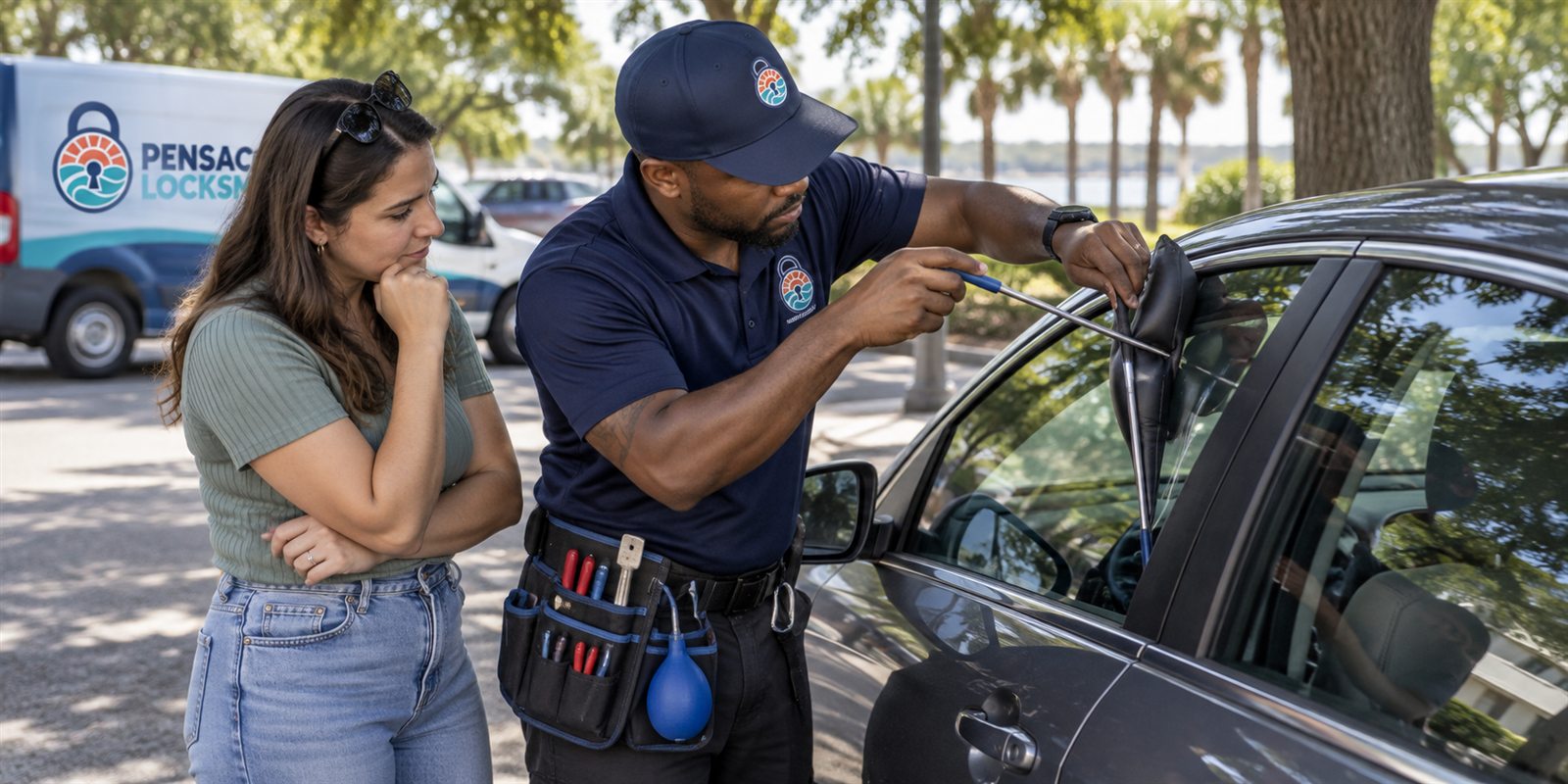
Rekeying, key control and shared access
Docks and marinas often involve many people: owners, guests, crew, contractors and family. Over time, keys multiply. A good approach is to keep a simple log of who holds each key and to rekey when you lose track. Rekeying changes the pins inside the lock so old keys stop working, usually without replacing the hardware.
For shared storage, consider keyed-alike locks so that one key opens several locks for a single owner. A person who has a boat, a dock box and a storage cage can carry one key instead of three. If multiple people share access, a master key system lets management control the whole set while individuals use their own keys.
When someone leaves a partnership or sells a boat, change the locks. The cost of rekeying is small compared with the risk of an old key floating around. Be sure to keep records of which cylinder belongs to which lock, and store spare keys on land. We can talk through options by phone and quote there.
If you leave your boat for weeks at a time, ask a neighbor or marina staff to look in occasionally. Visible care deters opportunists. Remove portable electronics, tools and anything attractive, and store them at home. Lock what remains, and make sure your insurance details and registration are not left in obvious places.
Storms, tides and seasonal planning
Hurricane season changes how you think about dock and boat security. Boats may be hauled out, moved to storage or tied in protected areas. Dock boxes should be emptied or secured, and loose items brought inside. Before a storm, check that locks are working, hasps are tight and nothing will become a projectile.
After a storm, expect some locks to be stiff or wet. Rinse, dry and lubricate before testing. Check docks and gates for structural damage, since a hasp on a damaged post will not do much good. If equipment or boats were moved by wind or water, inspect them for forced entry.
Seasonal visitors and rental boats add another layer. Tourists and temporary users may not understand how locks should be treated. Provide clear instructions, a spare key location and a contact number. For a long-term plan, a quick walk-through with a technician can identify which locks need replacement and which can be serviced. Please call to discuss.
Choose hardware with the same care you would for your front door. Boats and docks hold valuable equipment, and the cost of a better lock is small compared with replacing stolen gear. Consider a short consultation by phone to talk through your setup, and ask about options for rekeying or upgrading cylinders when you are ready.
Getting help and what to expect
When you call about a marine lock, tell us what type of lock it is, where it is, what the problem is and whether the key still turns. Mention if the lock is on a boat, a dock gate or a storage unit. Photos of the hardware help. Quotes are given by phone, and we ask you to call to confirm availability for your location.
The technician will check ownership or authority before working on a lock. Bring identification and, where relevant, registration, a rental agreement or a note from the owner or marina. This protects boat owners and keeps everyone honest. It also keeps the process smooth when you are standing at a gate with a lock that will not budge.
After the work is done, ask what maintenance to follow, and keep a spare key somewhere safe. If a lock is replaced, note the model so you can find a match later. A marine environment is demanding, but with the right hardware and regular care, locks can stay reliable and your equipment stays protected.
Questions to ask before buying marine hardware
Before you buy any lock for the water, ask a few plain questions. What is the body made of, and what is the shackle made of? Is the keyway covered or sealed? Can the lock be rekeyed or keyed alike with others you own? A seller who cannot answer these simply is not giving you much to go on, and a model that looks tough in a package may be thin plating over soft metal.
Think about how you will use the lock day to day. If you open it often with wet hands, a large key head or a keypad may be easier. If many people share the dock, think about who will carry keys and how you will take back access when someone leaves. Convenience and security pull in different directions, and the right balance depends on your situation.
Finally, plan for replacement. Even good marine locks wear out, so note the model and buy a spare while it is available. If you want a second opinion on what suits your dock box, gate or boat, call us. Quotes are given by phone, and we check ownership or authority before opening, rekeying or programming any lock.
Common questions
What type of padlock is best near salt water?
Look for stainless steel or well-coated bodies, hardened shackles and a covered keyway. A short, shrouded shackle resists cutting tools. No lock is immune to corrosion, so rinsing, drying and lubricating regularly matters as much as the lock itself. A technician can recommend hardware for your setup by phone.
Why does my padlock keep seizing every summer?
Salt, humidity and heat dry out the lubricant and encourage corrosion inside the cylinder. Rinse with fresh water, dry the lock and apply a lubricant made for locks, not heavy grease. Hang the lock with the keyway facing down. If it still seizes, it may be time for a replacement.
Can you open a lock on a boat I just bought?
Often yes, but we check ownership or authority first. Bring the title or registration and your identification, plus a bill of sale if the paperwork is new. We can open, rekey or replace the cylinders so that old keys no longer work. Call us to discuss and to confirm availability.
Should I rekey dock locks when a tenant moves out?
It is a good practice. Rekeying changes the pins inside so old keys stop working without replacing the whole lock. It is a small job compared with the risk of a former user keeping a copy. Keep a record of keys issued and rekey whenever you lose track.
What if the key breaks in a rusty padlock?
Stop and do not force it. A technician can extract broken key pieces and, if needed, open the lock without destroying the hasp. Be ready to show that you own the lock or the property. Call us, and if the job is complicated a technician visits and the service call charge is explained before dispatch.