
Content note: this page was written by Claude (AI) for Pensacola Locksmith.
Why keys snap in the first place
A key is a thin piece of brass or nickel silver, and it takes a lot of repeated stress over its life. Tiny cracks start at the shoulder where the blade meets the head, or at the deepest cut. Each use flexes the metal slightly. Eventually one more turn is too much, and the blade breaks, usually in the lock rather than in your hand.
The immediate cause is often resistance. A lock that is stiff from dirt, corrosion, a worn cylinder or a steering column under tension asks more from the key than it can safely give. Pushing harder is the typical mistake. A key that has begun to bend or feel gritty is a warning, and it is better to stop than to push through.
Age and wear matter too. Keys copied many times lose precision, and a worn copy can catch on internal parts. Coastal air contributes, since salt and humidity corrode both keys and locks over time. A lock that did not complain in a dry climate may start sticking within a few seasons near the Gulf.
What you should not try yourself
The most tempting move is to grab the end of the broken piece with pliers or tweezers. If any part of the blade is sticking out, that can work, but only if you pull straight and gently. If there is no grip, pliers just slip, and often push the fragment deeper. Once it is deeper, the job becomes harder and the cylinder is more likely to be scratched.
Never use super glue on the end of another key or a stick to try to stick to the fragment. Glue flows into the keyway and can seal the lock permanently. People also try sharp objects such as pins, knives and screwdrivers. These scrape the soft brass pins inside the cylinder, leaving burrs that catch every key afterward.
Do not spray heavy lubricant or penetrating oil into the lock. It may help a mechanic with a bolt, but in a lock cylinder it attracts dirt and softens the grip of any extraction tool. If you want to do something helpful, leave the lock alone, keep the broken pieces safe, and call for help. Doing nothing is a legitimate and correct choice.
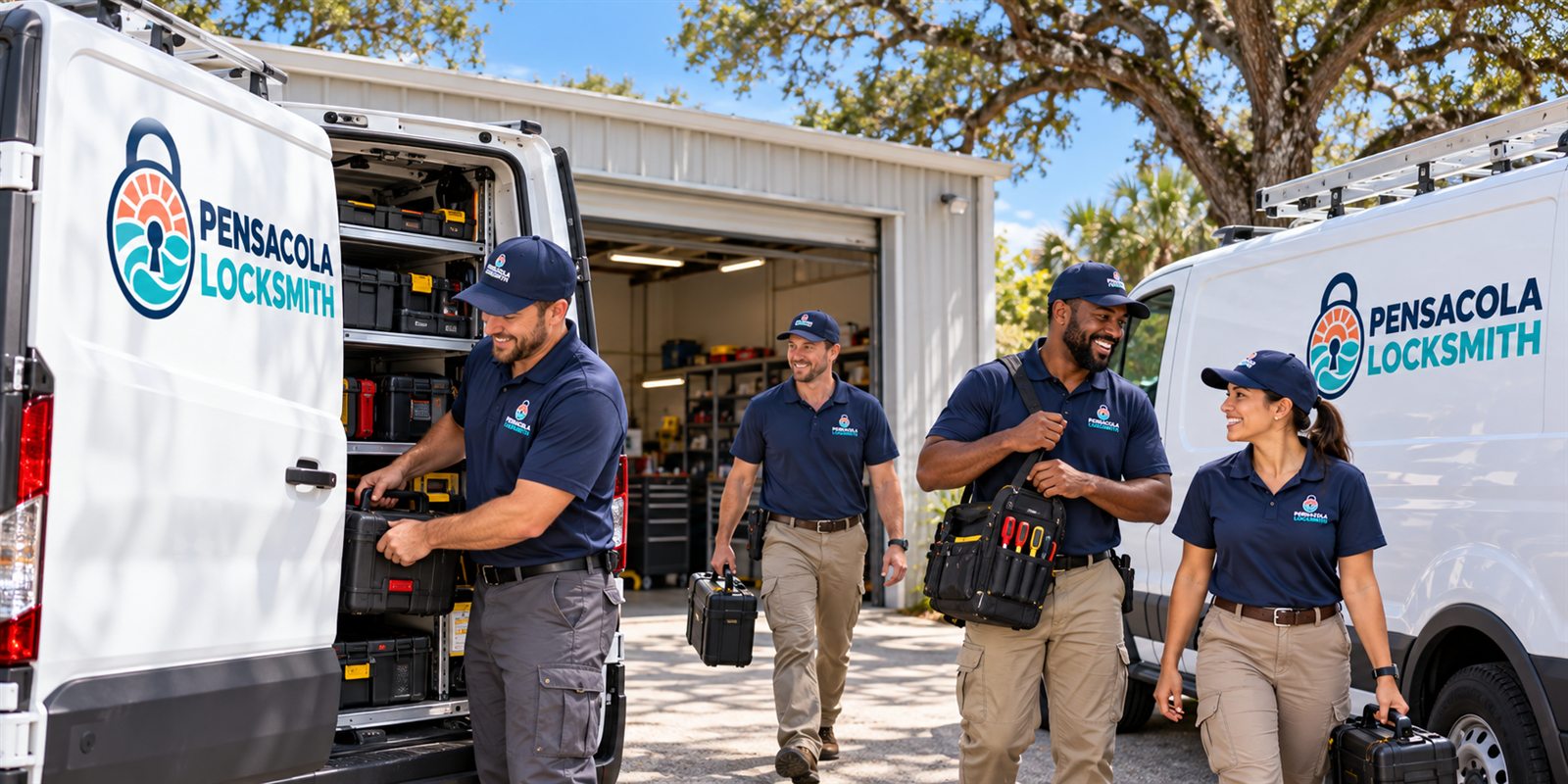
How a technician removes a fragment
The technician begins by looking. A small light and magnifier show how far the fragment sits, which way its cuts face and whether it is bent or twisted. They check the condition of the keyway for scratches. This inspection decides which tool to use, because a piece sitting flush with the face needs a different approach than one sitting deep.
Extractors are thin, flat tools with tiny hooks or barbs along one edge. The technician slides one into the keyway alongside the fragment, rotates it just enough to catch the cuts, and then draws it straight out. The motion is slow and controlled. The aim is to move the piece along the path it came from, with no twisting that would damage the pins.
If the first attempt fails, the technician adjusts the angle or uses a different extractor, sometimes with a second thin tool to hold the pins steady. Patience is the main skill here. A fragment that took seconds to snap can take several careful minutes to remove, and rushing risks the cylinder. The result is usually the intact piece and an undamaged lock.
Fragments in doors versus fragments in ignitions
A broken key in a door lock is generally more accessible. The cylinder sits near the surface of the door handle, the keyway is straight, and there is room to work with tools. Even so, the technician has to avoid scratching the paint around the handle and avoid pushing the cylinder inward into the door where it would be harder to reach.
An ignition is more delicate. The cylinder is smaller, the surrounding plastic is fragile, and the steering lock sits just behind. Many ignitions also contain the transponder reader and tight electrical connections. The technician works with care to keep the cylinder in position and to avoid triggering the steering lock or the immobilizer.
Sometimes the ignition cylinder must be partly removed to reach the piece. That means exposing the steering column, which is a bigger job and may involve airbag safety steps. Because of this, the technician checks ownership before work on an ignition, and explains what the job involves. If the cylinder was damaged, replacement may be recommended.
When the cylinder has to come out
Some fragments cannot be removed through the keyway. The piece may be wedged against the pins, deformed, or lodged behind the plug. In this case, the technician may remove the cylinder from the door handle or lock body and take it apart on a bench. This sounds severe, but it is the safe route when the fragment would otherwise be forced.
With the cylinder out, the technician can look at the broken piece directly, release the pins one at a time and push the fragment out the back. The cylinder is then cleaned, inspected and reassembled. If it is worn or scratched, the technician may replace pins or springs, or recommend a new cylinder.
On a door lock, the cylinder can often be re-keyed to match a new key during the same visit. That means you leave with a working lock and a working key, and no separate keys for different parts of the vehicle or building. The technician will explain the options and let you decide before proceeding.
Broken keys in house and building locks
Keys snap in doors at home too, and the same principles apply. A deadbolt or knob lock with a stuck fragment should be left alone until a technician arrives. Residential locks are usually more accessible than car locks, but the cylinder is also often a better quality, which makes preserving it worthwhile.
If the broken key is in a lock you need to secure, think about the door's safety in the meantime. A lock with a fragment in it may still lock and unlock from the other side, or it may not. If you cannot secure the door, tell the technician, who can plan to bring hardware for a temporary or permanent fix.
Ownership or authority matters here as well. The technician will want to confirm that you live at the property, rent it with the owner's permission or manage it. A tenant can describe the situation, but the landlord may need to approve a lock change. Having a lease or a message ready speeds things along.
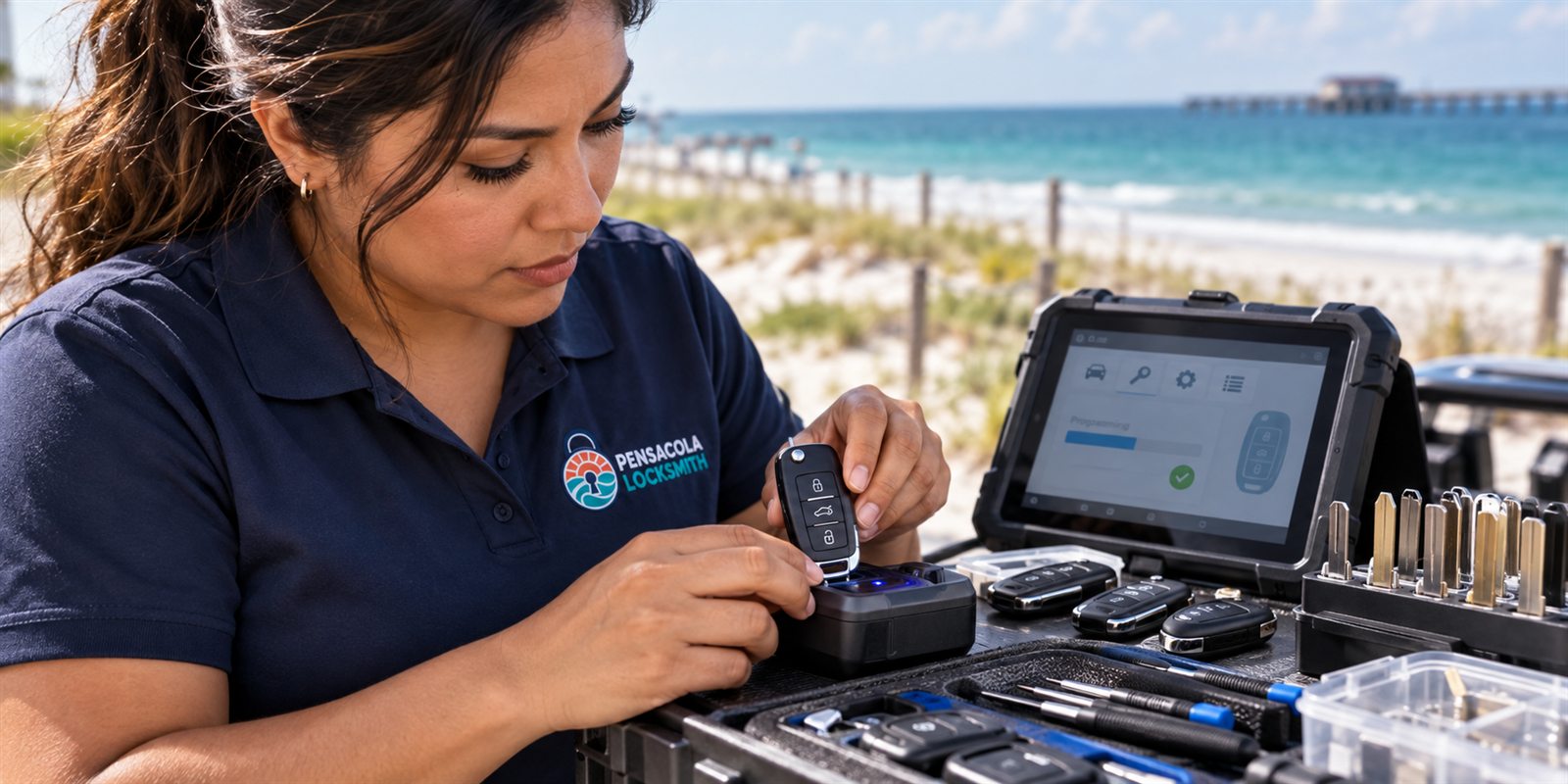
Replacing the key afterward
Once the fragment is out, you still need a working key. If you have the other half of the broken key, the technician can often use it as a pattern to cut a new one. Matching a half key is a simple job for most standard blades. Keep both pieces together and bring them out when the technician arrives.
If the whole key is gone or too damaged to read, the technician cuts one from the lock or from code. For a car key with a transponder chip, the chip may be in the broken head, in which case it can sometimes be moved to a new blade. If not, a new chip must be programmed to the car.
Take the opportunity to make a spare. A key that broke once is likely worn, and any copy of it carries the same wear. A fresh key cut from the lock is a better starting point. Ask the technician to make two, and keep one somewhere safe so that the next problem is a minor inconvenience.
Signs a key is about to break
Keys give hints before they fail. A visible bend in the blade, a hairline crack near the head, a worn spot where the cuts are rounded off, or a key that needs jiggling to turn are all warnings. If your key shows any of these, replace it now, while it still works and a copy can be cut accurately.
Locks give hints too. A cylinder that feels rough, a key that sticks going in or out, or a latch that catches intermittently needs attention. Clean the keyway with a dry lock lubricant suitable for cylinders, and avoid oil. If problems persist, a technician can inspect the lock before it damages a key.
Habits make a difference. Do not use your key as a pry bar, a screwdriver or a box cutter. Do not hang a heavy bunch of keys from an ignition. Do not force a key that will not turn. These small behaviors prolong the life of both the key and the lock, and they save you a stressful afternoon.
Safe steps while you wait
First, stop trying. Further attempts to turn or pull the key can break more of it or push it deeper. Take a moment to look at what remains. If you can see a piece sticking out, do not grab it. Photograph it so the technician has a clear idea of the situation before they arrive.
Second, keep every piece. The part in your hand is useful for identifying the key type, and the technician may need it as a pattern. Place the pieces in a bag or envelope. If part of the key is in a car ignition, tell us if the car has any push-button start or other unusual features.
Third, plan your safety. If the broken key is in your car and you are parked on a busy street or a hot beach lot, move to a safe, shaded spot. If it is in your front door, consider whether anyone can get in, and whether a neighbor can wait with you. Call us to confirm availability and tell us what you can see.
Preparing for the visit and ownership checks
Before any extraction on a car, the technician confirms you own the vehicle or have the owner's permission. A photo ID matching the registration, plus the plate or VIN, is the usual standard. For a building, they confirm you live there or have authority over it, which a lease, a utility bill or a note from the owner can show.
Tell us the details when you call: the type of lock, the make of the car, how much of the key remains and where it is stuck. If you can describe how the key broke, such as in the middle of turning or while pulling it out, that helps too. The more precise the description, the better the technician can prepare.
Quotes are given by phone once we understand the job. A simple extraction is straightforward to quote, and if the situation is complicated, a technician visits and the service call charge is explained before dispatch. You will know where you stand before any tool touches the lock.
Padlocks, mailboxes, trunks and other small locks
Not every broken key is in a door. Keys snap in padlocks on gates and sheds, in mailbox locks, in toolbox latches, in boat and trailer locks, and in trunk or glove box cylinders. These small locks have tiny keyways and delicate parts, so the same patient approach applies, though the options differ because the lock body is often easier to remove.
Locks exposed to weather near Pensacola Bay, such as gate padlocks and boat compartments, corrode quickly. A corroded lock is more likely to snap a key, and a corroded lock is also harder to repair. In these cases, the technician may suggest replacing the lock after extraction, since a fresh lock with a new key avoids the same failure next season.
Some small locks can be opened by other means if extraction fails, such as releasing the shackle of a padlock or removing the cylinder from a mailbox door. A technician will choose the least destructive path. If a lock must be cut or drilled, they will tell you before doing it and explain what replacement is needed.
For anything holding valuables, such as a toolbox or a storage unit, expect the technician to ask about ownership. A responsible locksmith does not open or alter a lock without being satisfied that the person asking has authority over it. A receipt, a registration or a message from the owner usually settles it.
What good extraction work looks like
You can tell a careful job by what the technician does first. They ask questions, look closely with light and magnification, and explain what they intend to do. They do not reach for a drill or a hammer. Extraction is a precision task, and a technician who takes their time is usually protecting your lock.
Afterward, the lock should turn smoothly with a good key. The technician should show you the removed fragment, test the key in the lock several times and check that nothing was scratched. If the cylinder needed cleaning or a small part replaced, they should say so rather than leave you guessing about the lock's condition.
Ask questions if anything is unclear. Why did the key break? Is the lock worn? Should the other keys be replaced? A technician who explains the answers plainly, without pressure, helps you make a sensible decision about whether to keep the lock or replace it. You are entitled to understand the work being done.
Finally, take away a simple plan. Make a spare key from a fresh cut. Replace any key that shows wear. Keep the keyway clean and dry. These small habits reduce the chance of a repeat, and they cost far less effort than waiting for the next key to snap in a lock at an inconvenient time.
Common questions
Can I remove the broken key myself?
If part of the key sticks out, you may be able to pull it straight out with fine pliers, gently. Otherwise, avoid digging with pins or knives, which can push the fragment deeper and scratch the cylinder. Glue and heavy lubricants make it worse. Stopping and calling for help is usually the safest choice.
Will extraction damage my lock?
Done carefully with proper extractor tools, removal normally leaves the lock undamaged. A technician inspects the cylinder afterward. If the lock was already worn, or someone tried to dig out the piece first, repair or replacement may be advised. You will be told what the lock needs before any extra work begins.
Can a new key be made from the broken one?
Often yes. If you have the head and part of the blade, a technician can use it as a pattern. If the key has a chip, it may be moved to a new blade or a replacement programmed to the car. Keep all pieces together and show them to the technician on arrival.
What if the key broke in my car ignition?
Do not try to turn it or pry it out. The technician checks your ownership, then removes the fragment with thin extractor tools. If the ignition is damaged, repair or replacement may follow, and a new key may need programming. Describe the car and what remains of the key when you call.
How do I get a quote?
Quotes are given by phone once we understand the lock type, the vehicle or building and how the key broke. If the job is complicated, a technician visits and the service call charge is explained before dispatch. Call us to confirm availability, and have photos or the broken pieces ready.