
Content note: this page was written by Claude (AI) for Pensacola Locksmith.
The basic idea behind a car key's electronics
A modern car key contains a small chip that holds a security code. When the key is near the ignition or the car's receiver, the car asks the chip for that code, and the engine is permitted to start only if the answer is right. The code is the real key. The metal blade is just the physical part that fits the lock.
Because the code is what matters, there are two ways to get a new key that works. You can make a new chip that holds the same code as the old one, which is cloning. Or you can load a different code into a new chip and register that code in the car's computer, which is programming. Both result in a key that starts the car, but they work differently.
The choice depends on the vehicle, the key type and your situation. Some cars allow cloning for some key types. Others do not, because their security systems require each key to be registered individually. Understanding the difference helps you ask the right questions and avoid surprises, such as a spare that works but leaves an old lost key still active.
What cloning means
Cloning copies the data from an existing working key onto a new chip, so the new key presents the same code. The car cannot tell the two apart, because to the car they are identical. No registration in the car's computer is needed, since the car already accepts that code. This is why cloning is possible with a working key but not without one.
Cloning has advantages. It can be quick, since the car is not involved in the process. It does not alter the car's memory of keys. It may work for certain transponder types where the code can be read and written to a compatible chip. For simple situations where you want a spare of a working key, it can be a tidy solution.
Cloning also has limits. It needs an original key to copy. It works only with certain chip types, and many newer security systems use codes that cannot be cloned. A clone also shares the same code as the original, which means that if you later want to disable a lost key, you cannot separate the two. Whatever one can do, the other can too.
What programming means
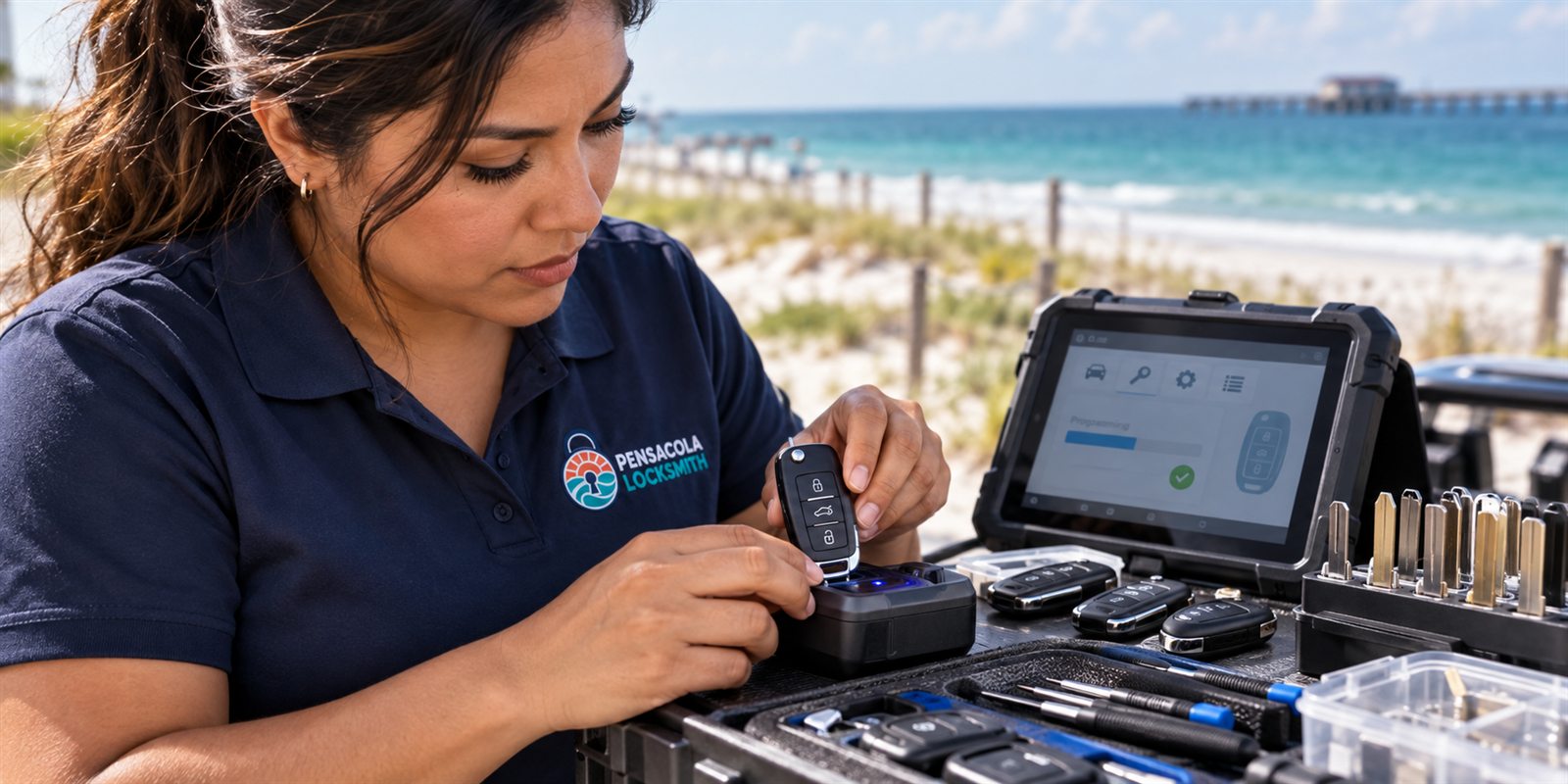
Programming registers a new key with the car's computer. The key has its own unique code, and the car is told to accept it. This is usually done with a diagnostic tool connected to the car's data port, or in some models through a sequence of steps using existing keys. The car stores the new code alongside, or in place of, the old ones.
Programming is the standard method for many modern vehicles, and the only method for those whose security systems forbid cloning. It also supports situations in which no working key exists, because the tool can talk directly to the car's computer to add a new key, provided the necessary authorization or data is available for that vehicle.
A major benefit is control. Because each key has a unique code, a lost key can be removed from the car's memory, so it no longer starts the vehicle. Ask your locksmith whether this is possible for your car. It is one of the main reasons to prefer programming when a key has been lost and could be in the wrong hands.
- Cloning: copies an existing key's code, needs a working key, car is not changed
- Programming: registers a new unique code in the car's computer
- Programming can remove lost keys from memory; cloning usually cannot
- Some vehicles allow only programming, not cloning
When cloning makes sense
Cloning is useful when you have a working key, the vehicle's system supports it, and you simply want a spare. Fleet owners and people with older vehicles sometimes choose it because it is straightforward. If the chip type is compatible, a technician can read the original and write the new key in a short time, without connecting to the car's computer at all.
It can also be helpful when a key is worn but still working. If the blade is damaged or the plastic head is cracked, a clone can move the chip's data into a new housing, refreshing the key. Some owners also use it to preserve a rare older key by making a working duplicate and storing the original safely.
Be realistic about its limits. If you worry about a key being stolen or lost, a clone gives you no way to disable it separately from the original. If the vehicle uses a security system that blocks cloning, the attempt will not work. A responsible technician will explain which approach suits your car before beginning any work.
When programming is needed
Programming is required when you have lost every key, when the vehicle's system does not allow cloning, or when you want to disable a lost key. It is also the normal method for smart keys and many remote head keys. If the car needs to learn a new code, there is no alternative to registering it in the computer.
Programming is also the right approach when you want a clean key set. For example, after buying a used vehicle, the previous owner may still hold working keys. Registering new keys and removing the old ones from the car's memory restores control. The same applies after a theft, a break-up or a change in who is allowed to drive the vehicle.
In an all keys lost situation, programming may involve extra steps, such as retrieving key data tied to the vehicle identification number and sometimes a waiting period built into the car's security. The process varies by brand. A technician can tell you quickly after hearing the make, model and year whether the job can be done in the field.
Ownership and proof, whichever method is used
Both cloning and programming create a key that opens and starts a vehicle, so a responsible locksmith checks ownership or authority first. Expect to show photo identification and documents such as a registration or title that match the vehicle. This is a standard, protective step, not an inconvenience invented to delay you.
The vehicle identification number is generally used to look up key information, and the technician will usually compare it with your documents. If you are in an unusual situation, such as a company vehicle, a car in a family member's name, or one held under a loan, bring whatever shows your authority. The locksmith can tell you what is acceptable.
If a provider offers to make a key without asking for any proof, treat that as a warning. The same lack of care could let a stranger obtain a key to your car. Honest providers value the check because it protects customers. Having your documents ready makes the process smoother and the visit shorter.
Testing: making sure the key really works
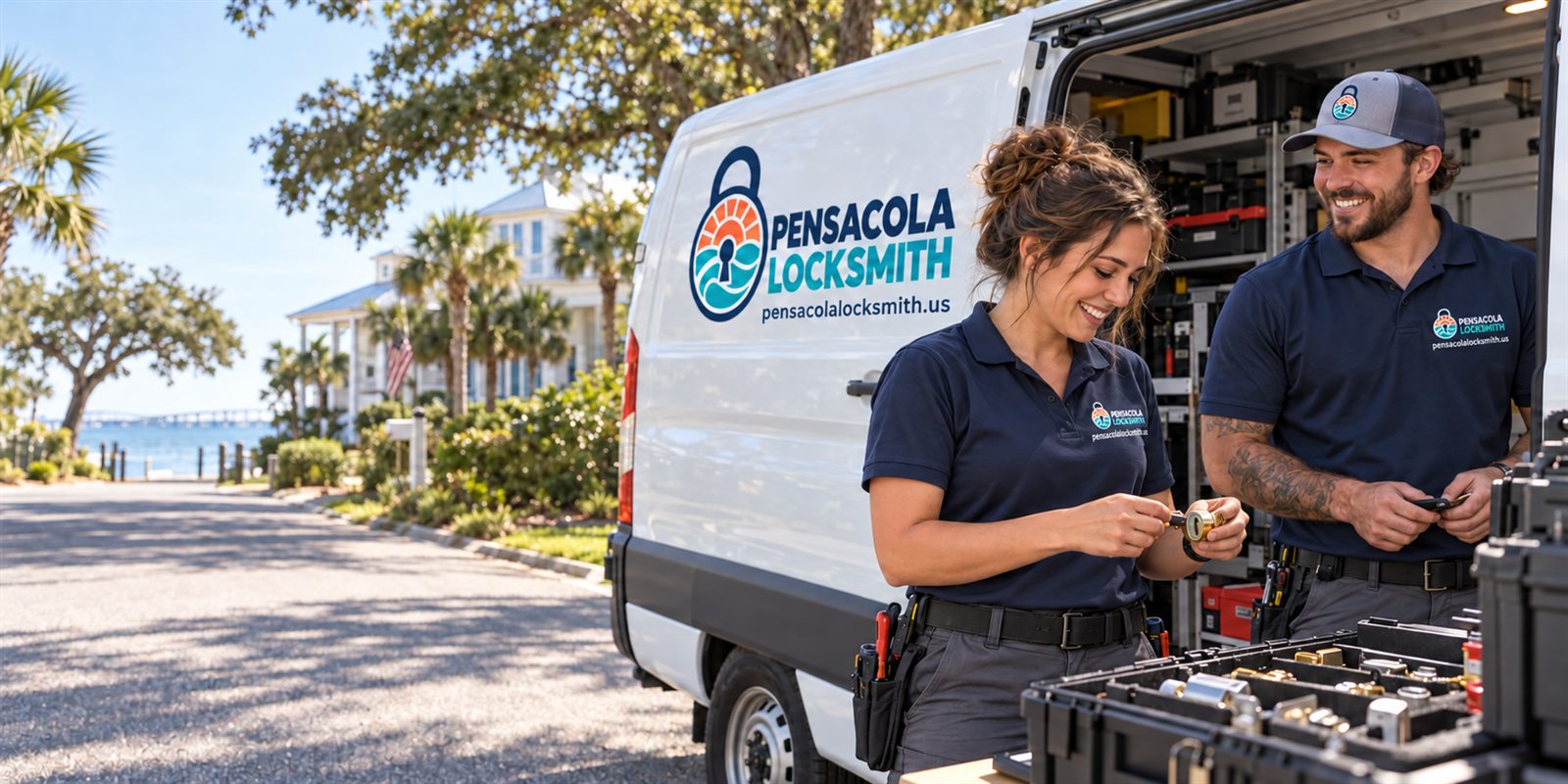
A key that starts the car once may still be incomplete. After either cloning or programming, a careful technician tests every function. Does the key turn the ignition smoothly? Does it start the engine and keep it running? Do the remote buttons lock, unlock and open the trunk? Does the key work in the door lock? Does the panic button respond?
Test the key more than once and under different conditions. Start the car, turn it off, remove the key and try again. Try the remote at a distance, such as a few car lengths away. If a function is missing, ask the technician to address it before leaving. Some issues, such as remote range, depend on the key hardware and its quality.
Check the original key as well. After programming, existing keys should still work, unless you asked for them to be removed. Make sure everything you expect is as it should be. If something seems off later, contact the provider promptly. A reputable one will want to correct a problem rather than leave you with a key you cannot rely on.
Common misunderstandings
One misunderstanding is that a copy cut at a hardware counter will start the car. Cutting the blade only helps with doors and the ignition cylinder. If the car has an immobilizer, an uncoded key will not start it. Some counters sell blank keys with chips already inside, but those still need programming or cloning to match the vehicle.
Another is that programming is just a button sequence. Some cars do allow owners to add keys by following steps in the manual, but only when a working key is already available, and the steps differ widely. Trying a sequence on the wrong car can cause problems. Another is that a clone is somehow less secure. A clone is equal to the original, which is exactly why it cannot be separated from it.
A final misunderstanding is that all keys can be made in a driveway. Many can, but some brands need dealer involvement. A good provider is honest about this. Do not assume that a key is easy or hard based on the car's price or age. Describe your vehicle and let the provider tell you what is possible.
Choosing the right approach for your situation
If you have a working key and want a spare, ask whether cloning or programming is supported for your car, and which the provider recommends. If you are worried about the original key being lost or stolen in future, programming a separate key gives you more control. If you have lost everything, programming is the route, and the question becomes whether it can be done in the field.
Talk through the details by phone. Describe the vehicle, the key type, how many keys you hold and what you want to happen to any lost ones. Ask what proof you need and how the quote works. Quotes are given by phone. If a job is complicated, a technician visits and the service call charge is explained before dispatch.
We serve Pensacola and Escambia County. Call us to confirm availability, and we will explain honestly whether cloning, programming or a dealer visit fits your vehicle. We check ownership before making any key, test every function before we leave, and tell you plainly what the work involves so there are no surprises.
What to do before you lose your only key
The easiest time to deal with any of this is while a working key still exists. With a working key in hand, nearly every method is available to the technician, the process is straightforward, and the pressure is low. You can discuss options calmly, choose between cloning and programming where both apply, and test the new key with the original at hand.
If you hold only one key, make a spare now. Do not wait for the key to crack, the battery to fade or the blade to wear. Many people find that a spare saves a tow, a missed day of work and an awkward conversation. Keep the spare somewhere safe at home, not in the car and not in a magnetic box under the bumper.
Check the condition of the keys you have. A key with a worn blade can fail in the ignition or door. A key head that wobbles may soon separate. A remote that works only when pressed hard is signaling a battery or a contact problem. Fixing these small issues early keeps a key reliable and avoids the larger job of replacing everything at once.
Record basic information in a safe place: the vehicle identification number, the key type and the number of keys you hold. This makes any future call faster and helps a technician bring the right equipment. Keep the registration or title where you can find it quickly, because ownership proof is required before any key is made.
Local considerations for Gulf Coast drivers
Drivers around Pensacola face conditions that wear on keys. Humidity and salt air can corrode metal contacts and fob electronics. Beach trips mean keys exposed to water, sand and heat. Keys get dropped from boats, left on towels and carried in wet pockets. A key that has been soaked should be dried carefully, and if it behaves oddly afterward, have it checked before it fails completely.
Tourism and rentals bring another pattern: visitors with rental cars, residents with vehicles registered elsewhere, and military families who move often. Each situation raises ownership questions. A vehicle registered out of state, a car in a spouse's name or a recently purchased vehicle may need extra documents. Gather them ahead of time and a visit goes smoothly.
Storm season matters too. Before a hurricane, make sure you have working spare keys and that your documents are stored safely. After a storm, a flooded vehicle may have damaged electronics, including the key system, and key programming may not behave normally. Water damage to a car is best assessed by a repair professional before key work begins.
Whatever the circumstances, we are glad to talk it over. Call us with the vehicle details, and we will explain whether cloning, programming or the dealer is the right path, how the quote works and what we need from you. We confirm availability by phone and do not make promises we cannot keep.
Common questions
Is a cloned key as good as the original?
To the car it is identical, because it carries the same code. That is also its limit: you cannot disable the clone without disabling the original. If you want separate control over each key, programming a new unique key is the better choice.
Can a key be programmed if I have lost all of them?
Often yes, though the steps are more involved than copying a working key. Some vehicles can be done on site and some need the dealer. Tell us the make, model and year, and we will say honestly which applies.
Will a lost key still start my car after I make a new one?
With programming, many vehicles let the lost key be removed from memory so it stops working. With a clone, the lost key stays as valid as the copy. Ask your locksmith what is possible for your specific vehicle.
Can I program a key myself?
Some vehicles allow owners to add a key with a sequence from the manual when a working key is available. It varies widely and mistakes can erase existing keys. If unsure, have a technician do it, after confirming ownership.
What does the locksmith test after the job?
A careful technician tests the ignition, engine start, door lock, remote lock and unlock, trunk release and panic button, and repeats the start test. If any function is missing, ask for it to be fixed before they leave.