
Content note: this page was written by Claude (AI) for Pensacola Locksmith.
Safety first before touching any door
Before you examine a door, look at the surroundings. Downed power lines, standing water, broken glass, loose branches and weakened roof sections are all hazards. If the area near the entry looks unsafe, stay back and wait for authorities or utility crews to clear it. A damaged door is never worth an injury, and a lock can be repaired later.
Be careful inside as well. Water in the house can hide electrical risks, and a door frame that has taken a hit may be holding up part of a wall or header. If you smell gas, see sparks or hear unusual sounds, leave and call the appropriate emergency service. Do not try to force a door that seems to be bearing weight from above.
Wear sturdy shoes and gloves. Door hardware that looks fine may have sharp edges after impact, and splintered wood can cut deeply. Take photos of the damage before you move anything. Those pictures help with insurance conversations later and give a technician a clear idea of the work before they arrive.
Document before you repair. Take wide photos of the entry, close-ups of cracks and bent metal, and short videos that show how the door moves. Date and label them. Insurers often ask for clear before-and-after evidence, and a locksmith can use the same photos to prepare tools and parts. A few minutes of careful documentation can save a lot of back-and-forth later.
Assess the damage in a calm order
Work from the outside in. Start with the frame and look for splits near the lock and hinges, bent metal and gaps that were not there before. Then look at the slab itself for cracks, delamination, swelling or dents. Finally, test the hardware: does the latch catch, does the bolt extend, and does the key still turn without binding?
Swollen doors are common after heavy rain and flooding. Wood absorbs water and expands, which can jam a door in the frame. The door may dry and shrink back, but forcing it open or planing it too early can cause lasting damage. If the door sticks, patience and ventilation often help more than force.
Note what you can and cannot close. A door that will not latch is an open invitation, even if the lock appears intact. Make a list of every entry point, including garage entries, patio doors and sheds, then sort them into secure, needs a temporary fix and needs professional repair. This list will guide the rest of your day.
Water damage is not always obvious. A door that looks fine may have swollen inside, with a warped core or rusted hardware hidden behind the surface. Press gently on the lower edge to check for softness, and look for blistered paint or dark stains. Hollow metal doors can rust from the inside, while wood doors can rot at the base.
- Frame cracks or movement
- Slab swelling, splitting or dents
- Latch and bolt engagement
- Key action and cylinder condition
Temporary ways to hold a door shut
If a door will not latch, a short-term fix can keep the house closed until repairs are possible. A portable door brace or a length of lumber wedged between the door and the floor can resist pushing from outside. For doors that swing out, a bar across the inside with brackets is more secure. These are stopgaps, not permanent answers.
If a frame is split, screwing a wooden strip or a metal plate across the damaged area can hold the latch in place for a short time. Use long screws that reach into solid framing, not just the thin jamb. Do not drill into areas where you suspect pipes or wires, and stay out of any wall that looks structurally compromised.
Where a door has been removed or destroyed, plywood screwed over the opening can protect the interior from weather and from people. Cut the board to overlap the frame by several inches on each side and secure it from the inside if possible. Remember that a boarded opening also blocks your exit, so keep another way out available and make sure everyone in the home knows it.
A temporary brace should never block a fire exit in a way that traps someone. Keep one path inside that can be opened quickly, and tell every household member how it works. If you have children or elderly relatives, check that they can use it. Safety and security must be balanced, especially during a stressful period.
Locks that have been wet, jammed or corroded
Floodwater and wind-driven rain leave grit, salt and moisture inside lock cylinders. A lock that worked yesterday may be stiff today, and forcing the key can break it off in the cylinder. If the key does not turn easily, stop. A technician can often clear the cylinder, flush it, and lubricate it properly instead of replacing it.
Electronic locks and keypads are more sensitive to water. Remove the batteries if you suspect the unit has been soaked, and let it dry in a ventilated place before testing. Do not use heat guns or hair dryers at high settings, which can damage the circuit boards. If the unit does not recover, a replacement with a corrosion-resistant finish is often the best step.
Padlocks and gate locks left outside may be rusted or filled with sand. Spray-on lubricants help in the short term, but corroded locks tend to fail again soon. If you cannot open a padlock on a shed or storage area, ask a locksmith about options. We check ownership or authority before opening or removing any lock, so be ready to show that the property is yours.
Corrosion after a flood can spread quickly. Rinse salt and mud from hardware as soon as it is safe, dry it and apply a thin coat of lubricant to moving parts. This will not fix a deeply damaged lock, but it often buys enough time to arrange a proper repair. Do not use harsh chemicals that can strip finishes or harm seals.
When the door will not open at all
Frames can shift when a storm hits, and a door that opened normally before may now be stuck tight. Do not ram it with your shoulder or use a pry bar until you have looked at why it is stuck. Check whether the bolt is binding in a misaligned strike, whether the slab is swollen, or whether debris or a bent frame is blocking it.
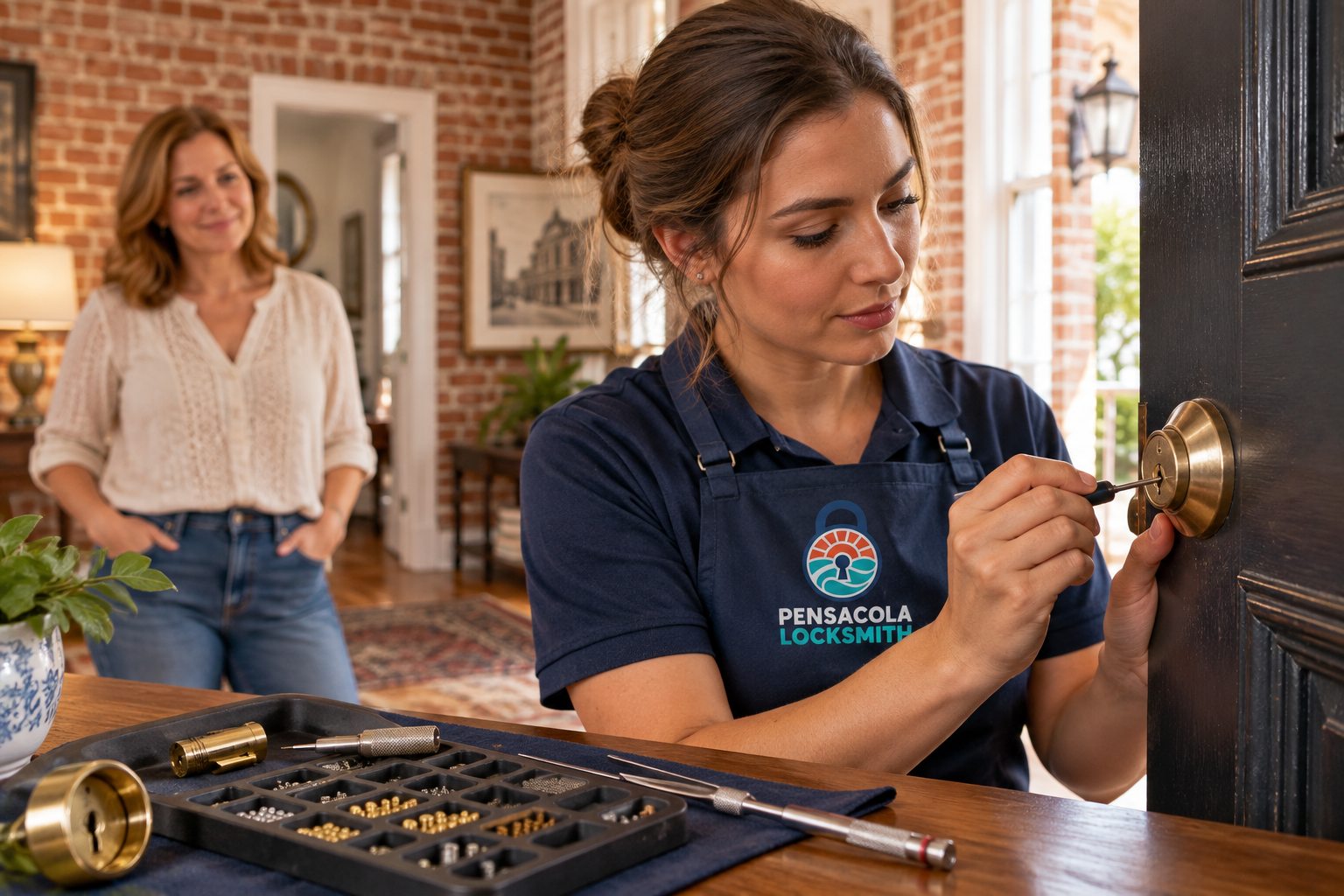
A locksmith can often release a stuck door without further damage by working the latch, adjusting hardware or removing hinge pins in the right order. This is especially important in older homes where the door and frame may be original and worth preserving. Describing the problem clearly on the phone helps the technician come prepared.
If someone is trapped inside, or if there is a medical emergency, call emergency services first. A locksmith is not a substitute for first responders. For non-emergency situations, where you simply cannot enter your own home, call us, describe the door and the damage, and we will explain what we need from you, including proof of ownership or authority, before dispatching.
A frame that has been twisted may need more than a new lock. If the gap between door and frame is wide at one corner and tight at another, the structure may have shifted. A carpenter may need to repair the frame, while the locksmith deals with the hardware. Coordination between trades helps avoid doing the same job twice.
Repair or replace: making the practical choice
Not every storm-damaged door needs to be replaced. A lock with a minor bend might be repaired or rekeyed, while a cracked slab or a split frame often means new parts. The decision depends on the extent of the damage, the age of the door and the cost of the repair compared with the cost of replacing it. A technician can walk through the tradeoffs with you.
Consider the weak points the storm exposed. If the frame failed at the strike plate, it makes sense to reinforce that area while it is open. If hinges pulled out, longer screws or a stronger hinge set will help. Replacing a lock without addressing the cause of the failure risks repeating the problem during the next event.
Insurance often plays a role. Keep photos, written notes and receipts, and ask your insurer what documentation they need. A locksmith can describe the damage and the work performed, but coverage decisions belong to your insurer. If the job is complicated, a technician visits and the service call charge is explained before dispatch, so you can plan around it.
Rekeying after a storm is also sensible when contractors, volunteers or family members have been given keys for cleanup. Once the work is done, take back keys or change the locks. Make a note of who had access and when. A simple list can prevent confusion later and help you decide whether a new key set is warranted.
Rekeying and security after a storm
Storms can scatter keys, lose them in floodwater or leave a home unattended while contractors, volunteers and cleaners come and go. After the cleanup phase, think about who has access. If keys were lost, given to temporary workers or stored in a place that was damaged, rekeying the locks restores control with a fairly quick job.
Rekeying changes the internal pins in the lock so that old keys no longer work, while the lock hardware stays in place. It is a good option when the lock itself is in good shape but you are unsure who holds copies. If the lock is damaged, replacement may be the better route, and the new lock can be keyed to match others in the house.
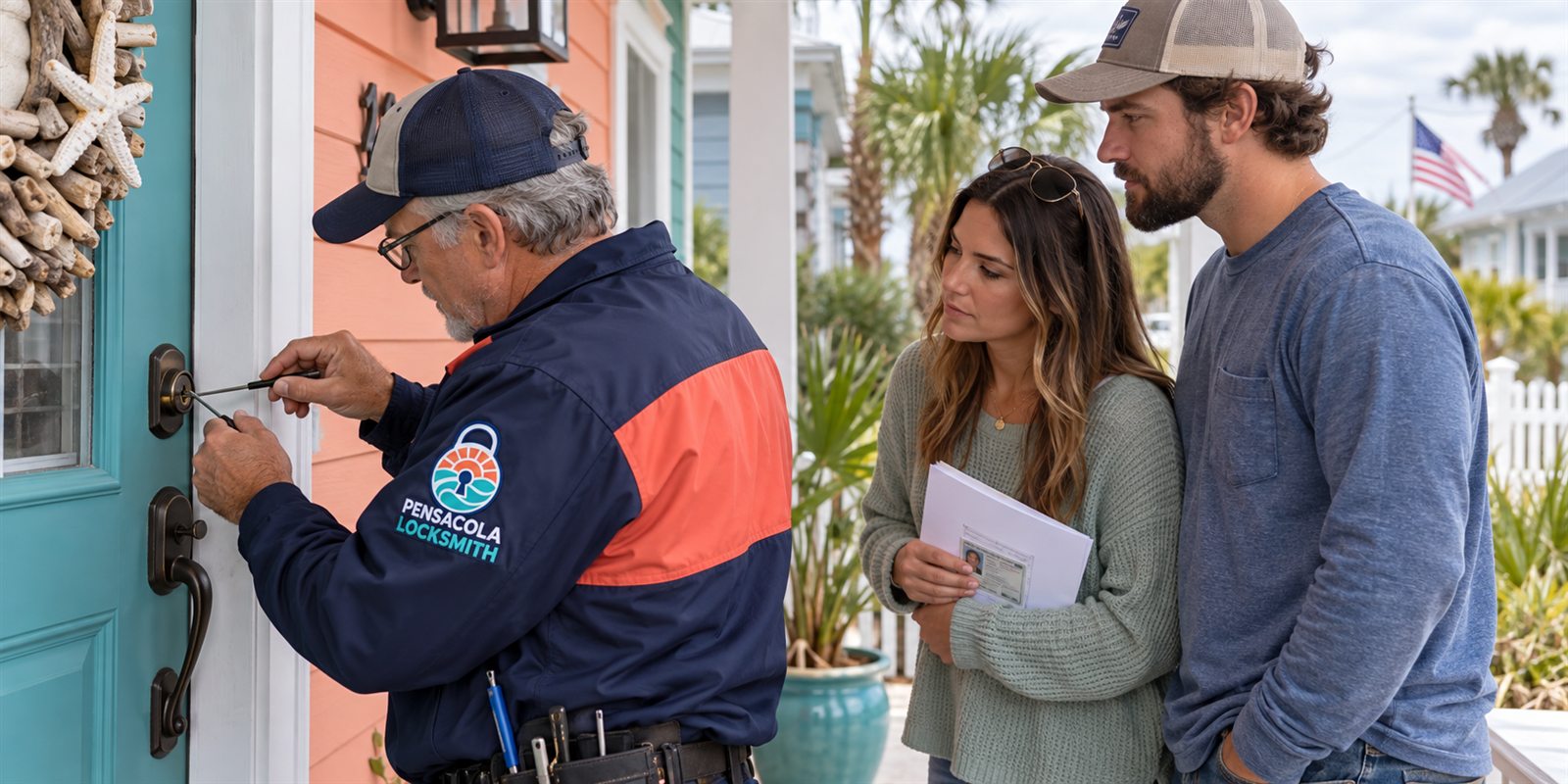
We check ownership or authority before opening, rekeying or programming locks. Have identification and proof that the property is yours or that you are authorized to manage it. For rental properties, the owner or manager can approve the work. Quotes are given by phone, and we ask you to call to confirm availability for your area.
Be patient with yourself. Recovery takes time, and not every repair can be completed in a day. Focus first on keeping people safe and the property closed. Then arrange professional help in order of urgency. Doors that protect living areas come before sheds and storage. Keeping a clear plan prevents decisions made out of panic.
Protecting an empty or damaged property
If you must leave a damaged home, secure what you can. Lock every working door and window, close shutters, and move valuables to a safe place. Let a neighbor or relative know the situation and leave contact details. Visible damage that leaves a home open can attract opportunists, so temporary measures matter.
Keep a record of what you did. Note which doors you braced, which windows you covered and where you stored important items. When you return, you will know what to check. If a property manager or landlord is responsible, tell them what you found as soon as possible, so repairs can be organized.
Avoid hiding spare keys in obvious places outside, especially in a disrupted neighborhood. Give a key to someone trusted, or use a lockbox with a code that you will change afterward. Cameras and motion lights are helpful, but they need power. A well-secured door is still the strongest first line of protection.
Finally, learn from the event. Which doors held up best? Which failed first? Use that information to decide what to upgrade. Stronger hinges, longer screws, better strike plates and corrosion-resistant locks often make a noticeable difference. Think of repairs as the first step in a longer improvement plan rather than a one-time patch.
Working with a locksmith after a major event
After a widespread storm, many people need help at once. Patience is useful. When you call, be ready to describe the type of door, the lock, the visible damage, and the address. Photos, if you can send them, help the technician plan. Call to confirm availability, because demand can be high and travel conditions may be difficult.
Be careful of anyone who shows up unannounced offering work, asks for payment up front or will not explain the job. Ask questions about the process, ask how quotes are given, and confirm that the technician will check ownership or authority. A trustworthy locksmith will be open about all of this and will not rush you.
Once repairs are done, test every lock yourself. Turn the key several times, close the door with the latch, check the strike alignment and listen for rubbing. Ask the technician to show you what was changed and to explain any maintenance. A little follow-up now can save a second repair later, and gives you confidence the door will hold.
Common questions
Is it safe to try to force a swollen door open?
It is better not to. Forcing a swollen door can split the frame, crack the slab or break the latch. Let the wood dry with ventilation when possible, and if you must enter, ask a locksmith to release the latch carefully. Safety hazards such as water and wiring should be checked before you go in.
What can I do if my door will not latch tonight?
Use a temporary brace such as a door bar or a length of lumber to hold it shut, and keep another exit available. A strip of wood screwed over a split frame can also hold the latch. These are short-term fixes only, and a technician should assess the door as soon as possible.
Can a wet lock be saved or should it be replaced?
Often it can be saved. A technician can flush and lubricate a cylinder that has taken on grit and moisture. Electronic locks that were soaked may need replacement if they do not dry out and function. Please do not force a key that will not turn, because it can snap inside.
Do I need to prove I own the property after a storm?
Yes. We check ownership or authority before opening, rekeying or programming locks, even after a disaster. Identification, a lease, mail or a call from the owner can all help. If your documents are damaged or lost, tell us when you call and we will explain what other confirmation may work.
How do I get a quote for storm-related lock work?
Call us and describe the door, the lock and the damage. Quotes are given by phone. If the job is complicated, a technician visits and the service call charge is explained before dispatch. Because demand can rise after severe weather, please call to confirm availability for your location.