
Content note: this page was written by Claude (AI) for Pensacola Locksmith.
The core problem with guest access
Every guest who stays at your property needs a way in, and every method has a shadow. A physical key can be copied, kept or lost in a beach bag. A code can be shared with friends. A lockbox can be left open. None of these are signs of bad guests; they are normal human behavior. A good system assumes some leakage and limits what leakage can do.
That mindset changes the questions you ask. Instead of wondering how to find perfect guests, ask how to make each stay start with a clean slate. If the access method can be reset cheaply and quickly between guests, then a lost key or a shared code is a small event rather than a lasting problem for the property.
Think about the arrival moment too. Guests often drive a long way, arrive after dark with tired children and luggage, and just want to get inside. A clumsy system creates stress and calls to you at odd hours. A smooth one makes the first impression positive and allows you to keep your own evenings quiet.
So the target is a method that is easy for guests, simple for you to reset, and traceable enough that you know what was issued. The rest of this guide walks through the common options, their tradeoffs, and how to combine them with the right doors and hardware so the plan holds up in real use.
Local rhythm matters as well. Pensacola sees summer beach crowds, weekend visitors, families visiting service members and college event weekends, so your turnover days may stack up close together. A system that depends on you being present at every arrival will fail on the busiest weekends, which is exactly when you want it to run itself without your constant attention.
Lockboxes: simple but with limits
A key lockbox holds a physical key behind a combination. Guests enter the code and retrieve the key. It is cheap, reliable and does not need power. For a small property or a first rental, it can be a perfectly reasonable choice, especially when you live nearby and can check the property between guests.
The downsides are practical. The key can still be taken, copied or left behind. If a guest keeps it, you need to rekey. A code that never changes becomes known by many people over time, and the box on the wall of the house is a signal that the place is a rental. Humidity and salt can also seize the mechanism if you do not maintain it.
Place the box where it is accessible but not obvious. A spot visible from the street invites curiosity. Mount it securely to a solid surface with proper fasteners, not to a flimsy railing that could be removed. Change the combination regularly, ideally between each guest, and keep a log of the dates you did so.
If you rely on a lockbox, commit to rekeying on a schedule. Many hosts rekey after any stay in which the key was not returned to the box, and they do a fresh rekey every so often anyway. A locksmith can rekey quickly, and a routine like this keeps the lockbox from becoming a quiet weakness.
If neighbors or a homeowners association object to visible boxes, ask about rules before mounting one. Some communities limit what can be attached to doors and railings. Choose a model rated for outdoor weather, and wipe it down occasionally. A box that cannot be opened because of corrosion is just as much of a lockout as a lost key.
Keypad and smart locks
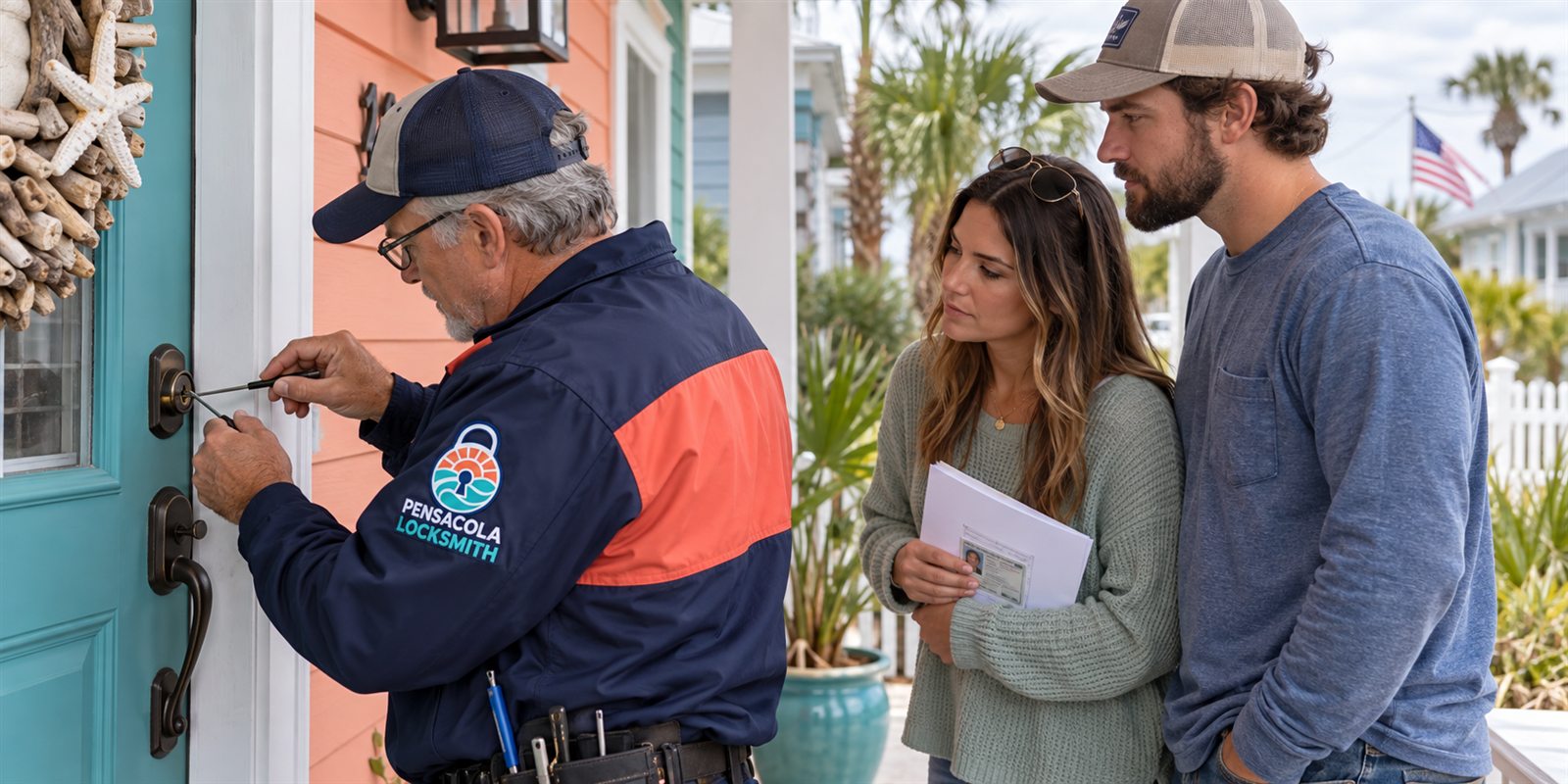
Keypad deadbolts let you assign a code for each guest and delete it after checkout. This eliminates the need to collect or copy keys and removes the question of whether a key has been lost. Many models can store dozens of codes, and some connect to a phone app so you can issue and cancel codes remotely.
They bring their own tasks. Batteries need replacing before they run low, and a dead lock with no backup can strand a guest. Choose a model that has a physical key override or an external way to supply power in an emergency. Hardware quality matters in coastal air, so look for durable finishes and well-built internals.
Programming discipline is important. Write down the master or programming code and keep it safe. Learn how to delete a code, change a code and reset the lock. If you use an app, think about what happens if the internet or the phone service fails. Keep one analog route available so a guest is never locked out because of a software hiccup.
Keypad locks also help with cleaners and maintenance. You can create a temporary code for the day and remove it afterward, which is more controlled than handing out keys. Keep a short list of who has had a code, and remove any that are no longer needed. Cleaning crews change, and old codes should not linger.
Test the lock from the guest point of view before your first booking. Stand outside in the dark, enter the code as a stranger would, and see whether the keypad lights, whether the bolt throws easily, and whether the door closes on its own. Fix awkward details early so guests never feel the rough edges.
- Individual codes for each guest
- Backup physical key or external power option
- Battery checks on a set schedule
- Written reset and programming steps
Rekeying between guests: when it makes sense
Rekeying every single stay is not always necessary, especially if you use codes. But there are times when it is wise. If a guest does not return a key, if a lockbox has been left open, if a stay ended on poor terms, or if you suspect copies, rekey the lock. It turns every old key into a piece of metal.
Many hosts rekey on a schedule as well, such as at the start of a season or after a set number of stays. The more heavily the property is used, the more often the schedule should run. Consider it part of regular upkeep, like changing smoke detector batteries or servicing the air conditioner.
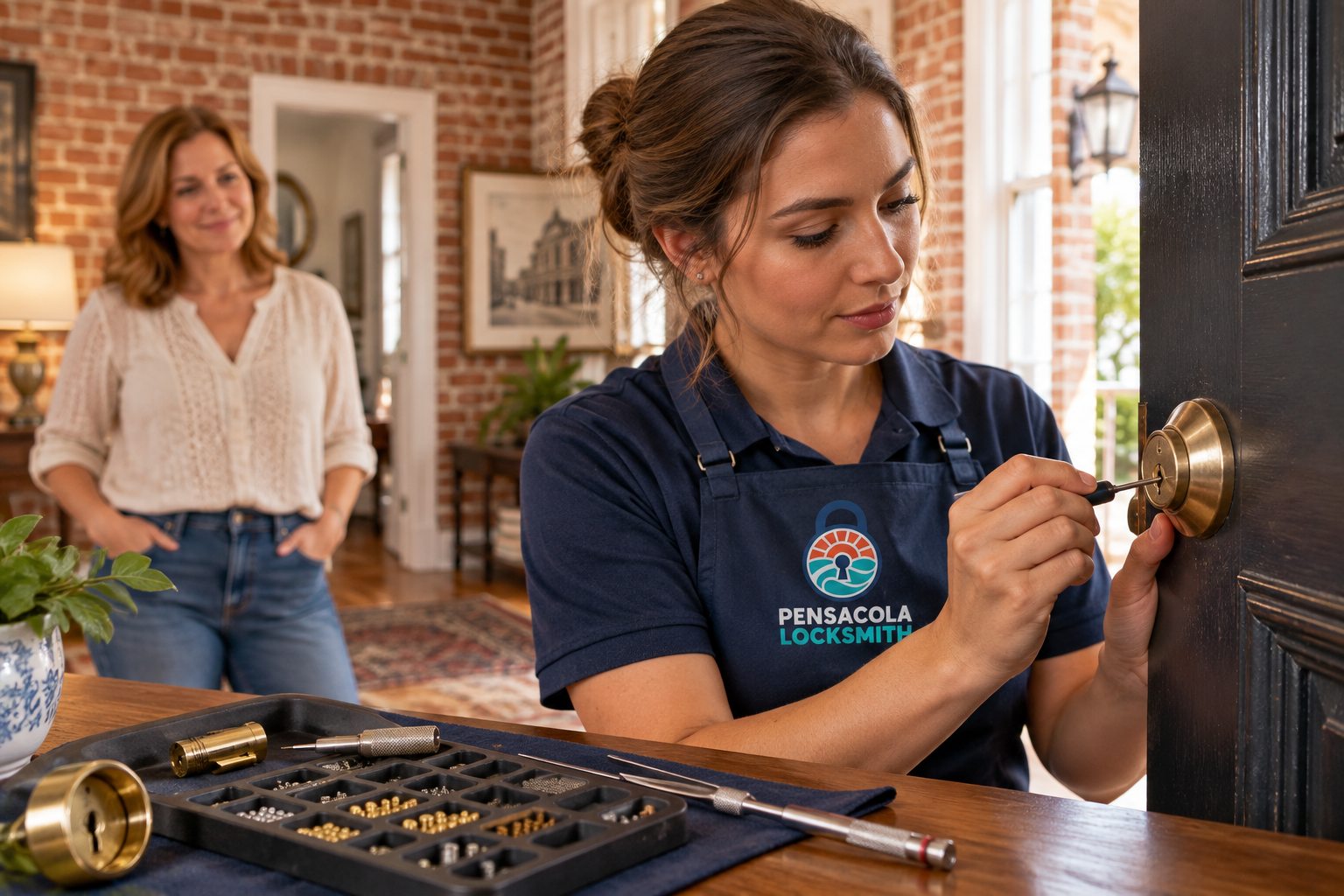
Rekeying works best with standard locks in good condition. If your lock is worn or tired, replacement might be a better investment than constant rekeying. A technician can look at the hardware and tell you if it will tolerate frequent changes. Quality matters here because repeated rekeying on poor cylinders can cause wear.
Remember that rekeying is only for people with rights to the property. A locksmith checks ownership or authority before doing the work, such as a deed or management agreement. If you manage the unit for an owner, have the paperwork ready, since the technician will want to see that you can authorize changes.
Handling cleaners, maintenance and co-hosts
Guests are only one group with access. Cleaners come every turnover, handymen come for repairs, and co-hosts or property managers may need entry. Each person is another key or code. Treat them the way you treat guests: assign individual access, keep a log and revoke it when the relationship ends.
Avoid giving a cleaner a permanent copy of your only key. If a cleaning crew changes hands, as it often does, you will not know who has a copy. A keypad code assigned to each person, or a lockbox with a changeable code, makes it easier to cut access when someone moves on. Rekey if a key was handed to a contractor and not returned.
For maintenance, schedule visits and share access only for that window. A temporary code that expires after the job is ideal. If you need to hand over a physical key, write down who has it and when it is due back. A simple routine prevents the slow build-up of unknown keys.
Be mindful of privacy. Guests expect to be left alone during their stay, and staff entering without notice can cause complaints. Set clear rules for when staff may enter, and tell guests how to contact you. Good access control protects not only the property but also the relationship with your guests.
Doors, sliders and gates that guests use
Guests use every door, not just the front. Beach properties often have a sliding door to a deck, a side gate to a pool and a garage entry. Each one should have a lock that works smoothly, with instructions that a visitor can follow. A sticky latch causes guests to leave the door unlocked, which undermines everything else you have set up.
Check that each door closes and latches without force. Humid weather swells wood and can bend a frame. Hinges sag with the weight of constant use. A technician can adjust or replace parts so the doors work well. Consider a self-closing hardware choice for pool gates, since safety rules and common sense both favor a gate that shuts on its own.
Sliding doors need a secondary blocker and anti-lift protection, as guests may not know the quirks of the door. Leave a simple note near the door. For gate locks, use corrosion-resistant hardware, since salt and moisture destroy cheap parts quickly. A gate lock that fails in the middle of a stay generates a call you do not want.
Keep exterior lighting working and the path to the door clear. A guest arriving after dark should be able to see the keypad or lockbox without fumbling. Good lighting is both a courtesy and a security feature, and it makes the whole arrival smoother, even when the guest is tired and distracted.
Remember the garage and any storage rooms. Guests may borrow bikes or beach gear, and a storage lock that is stiff or unlabeled becomes a source of calls. Decide which spaces guests may use, secure the rest with separate keys, and say so plainly in your instructions so nobody wanders into an owner closet by mistake.
Instructions, records and communication
Write clear arrival instructions. Say exactly where the lockbox or keypad is, how to enter the code, and what to do if it does not work. Include a way to reach you. Short, plain directions beat long paragraphs. Many problems come from guests who are confused, not from faulty hardware.
Keep a record of codes and keys. Note the date each code was created and deleted, who was assigned, and the dates of any rekey. A spreadsheet or a notes page is enough. If a problem occurs, you can look back and see what was in place. This also helps you notice patterns, such as a lock that needs service more often.
Tell guests what to do at checkout. Ask them to return keys to the lockbox, lock the door, and let you know of any trouble. Do not make it complicated. If a key is missing, handle it calmly and rekey the lock. Most guests will respond reasonably if you communicate clearly and politely.
Review your system at the end of each season. Look at what caused calls, what hardware failed and what could be simplified. Properties near the beach face wear from sand, salt and heavy use, and each year of operation teaches you something. Adjust the plan rather than waiting for a failure to force the change.
Storm season and closing the property
Hurricane season affects rental operations. Before a storm, you may need to close the property, cancel stays and secure doors. Make sure you can lock up quickly and that your access method works if power is out. A mechanical lockbox or key override is useful when a keypad lock has lost power or a phone app cannot connect.
After a storm, inspect doors, frames and locks before welcoming guests again. Water can swell frames, corrode lock innards and damage electronic keypads. If a lock seems sticky or sluggish, service or replace it before the next arrival. A technician can assess storm-damaged hardware and advise whether it is worth saving.
Plan how to reopen access. If power or internet was interrupted, codes in a smart lock may need to be checked, and clocks may have drifted. Test every lock, every code and every door. Do this before the first guest arrives, not after they call from the porch.
Keep a spare key in a secure place away from the property. If you evacuate or travel, someone you trust should be able to reach the house. Make sure that person knows what to do and when. Preparing in advance means a storm is an inconvenience, not a crisis in your access plan.
Working with a locksmith for a rental
A locksmith can help you design the access system, rekey locks, install keypads and repair damaged doors. Call us to confirm availability and to describe your property. Quotes are given by phone. If the job is complicated, a technician visits and the service call charge is explained before dispatch.
Before any rekeying, programming or opening, the technician checks that you own the property or have authority to manage it. Have a deed, management agreement or similar proof ready. This protects the owner and your guests, and it keeps the process proper and straightforward.
Tell the technician how the property is used: how many doors, how often guests turn over, whether cleaners and managers need access. They can suggest hardware that matches your pattern, and warn you about weak points. Photos of your doors and existing locks are very helpful.
Finally, set a routine. A regular schedule for checking batteries, rekeying and testing locks prevents most surprises. Treat key control as part of running the business. When it is steady and boring, guests arrive smoothly, you sleep better, and the property stays in good order.
Common questions
Is a lockbox or a keypad lock better for a vacation rental?
Both work. A lockbox is simple and needs no power but still involves a physical key. A keypad lets you assign and delete codes without handing out keys but needs batteries and care. Many hosts pick keypads for busy properties. We can talk through the options for your doors by phone.
How often should I change lockbox codes or rekey?
Change the code between guests if you can, and rekey whenever a key is not returned, a stay ends badly, or copies are suspected. Many hosts also rekey on a schedule through the season. A technician checks ownership or authority before rekeying and can do it quickly.
What if a guest keeps the key?
Rekey the lock so the missing key no longer works. It is a normal part of hosting and does not require replacing the hardware. Note the date in your records. If you switch to keypad codes, a missing physical key becomes less of a concern, though a backup key should still be controlled.
How do I give cleaners access safely?
Give each person an individual code or a limited-time code, and keep a log. Avoid handing out permanent copies of your only key. When a cleaner leaves, delete the code or rekey if a key was involved. This keeps the list of people who can enter under control.
Will salt air damage a keypad lock?
It can shorten the life of cheap hardware. Choose a model with a durable, corrosion-resistant finish and sealed internals, and wipe the exterior from time to time. Keep a physical key override as backup. If the lock begins to act strangely, have it serviced before the next guest arrives.