
Content note: this page was written by Claude (AI) for Pensacola Locksmith.
Living near the water: what it does to your doors
Moisture is the quiet constant for homes near Pensacola Bay and its waterways. Humid air soaks into wooden door slabs and frames, and that moisture moves with the seasons. A door that closes cleanly in a dry spring may drag in a wet summer, and the lock that seemed fine now needs a push. The lock is rarely at fault; the surrounding wood is simply moving.
Salt carried inland by the breeze adds another layer. It forms a thin film on exterior hardware, and combined with damp, it speeds up corrosion on screws, strike plates and the outer faces of locks. Interiors of locks are less exposed, but the keyway is an open path, so grit and moisture can find their way to the pins over the years.
Understanding this helps you make better choices. A technician will not just replace a stiff lock without asking whether the door has shifted. Often a small adjustment to the strike, a cleaned and lubricated cylinder or a light plane of the door edge solves the complaint. If the lock really is worn out, the replacement should be chosen with the environment in mind, not simply bought off a shelf.
If you want to judge your own doors, try a simple test on a humid day. Close the door slowly and watch where the latch meets the strike. If the bolt rubs the plate or the door has to be lifted to lock, the problem is alignment. Look at the gaps around the door, which should be even on all sides. A door that is tight at the top corner on the latch side has usually dropped on its hinges, and tightening the hinge screws often corrects it.
Older homes and original hardware
Many houses in established residential areas near the water were built decades ago, and they sometimes still carry hardware from earlier eras. Old knob sets, surface-mounted bolts, simple rim locks and mortise-style lock bodies may all appear. These can be sturdy, but they can also be worn thin, and keys for them are not always easy to find or copy.
A technician approaching an older lock tries first to keep it working. Cleaning, tightening and re-pinning can bring a tired lock back to useful life, and rekeying is often possible without replacing the body. Replacing original hardware is sometimes the right answer, but it should be your decision after hearing the choices, particularly if you value the look of the door and want to keep its character.
There are limits, and honesty matters here. Some very old locks cannot be made secure to modern expectations, and a polite recommendation to add a modern deadbolt alongside the original hardware is common. This lets you keep the older look while gaining a stronger lock. The new bolt is installed carefully so the old door is not weakened, with attention to the placement of the bore and the wood around it.
Keys deserve attention too. A key for an old lock may be worn smooth, and copies made from it get worse each generation. If you still have an original, treat it as valuable and have duplicates cut from it, not from the latest copy. If no original exists, a technician can sometimes produce a working key from the lock itself, or rekey so that you start fresh with a properly cut set that turns without effort.
- Clean and lubricate before replacing
- Rekey where the lock body allows it
- Add a modern deadbolt beside original hardware
- Replace only when the part is truly failing
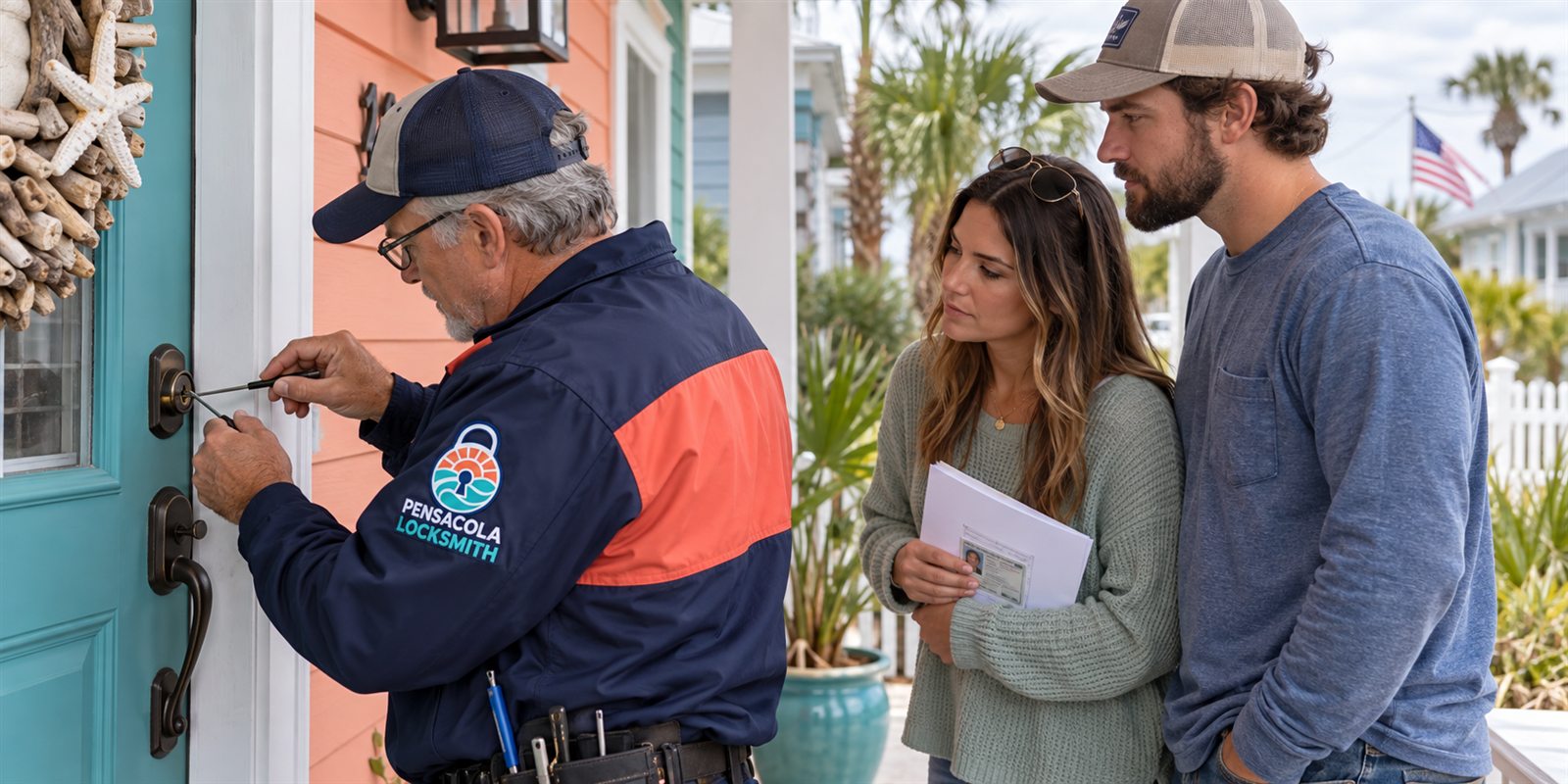
Rekeying a house with a long history of keys
A house that has been in a family or passed through several owners accumulates keys the way a drawer accumulates batteries. Nobody is sure which key opens which door, who still has a copy, or whether the one in the junk drawer is the original. A rekey ends that uncertainty by making a single set of new keys the only working ones.
On the day, the technician removes the cylinders from your exterior doors, changes the pin arrangement and reinstalls them, testing each new key. If your doors are of mixed brands, they may be set to one key where compatible, and the odd lock that cannot join can be noted. You get a small number of well-cut keys instead of an uncertain bundle.
As always, ownership comes first. Whether you have inherited a house, bought it or rent it with the owner's permission, the technician asks you to show your authority before changing who can enter. A will, deed, closing record, lease with owner approval or identification matching the address are all reasonable. It can feel formal, but it is the safeguard that protects every homeowner, including you.
Think about who has access through other routes as well, such as a cleaner, a lawn service, a dog walker or a relative who stays occasionally. Handing out copies is convenient, yet every copy is another key that can be lost. Some owners prefer to give limited access through a keypad code that can be removed later. Whichever route you choose, writing down who holds what, and when, makes your next decision much simpler and quicker.
Garages, sheds and boat storage
Waterside neighborhoods tend to come with extras: a detached garage, a workshop, a storage shed or a locker for boating gear. These outbuildings often hold expensive items and are secured by the plainest padlock the owner could find years ago. Because they are away from the house, a break-in can go unnoticed for some time.
Padlocks near salt air corrode quickly, and a lock that no longer turns freely is a warning sign. Look for rust at the shackle and body, and replace padlocks that are visibly deteriorating. A technician can recommend weather-resistant models with sealed bodies and hardened shackles, and can fit proper hasps and brackets so the padlock is not protecting a flimsy mount.
For garage side doors and shed doors, a deadbolt or a heavier latch often improves things dramatically. Check hinges too, because hinge pins that can be pulled out from the outside defeat even a very good lock. A technician can peen the pins or fit non-removable hinges. These small improvements are practical, and each one removes a different way in for someone looking for an easy target.
Boat trailers, kayak racks and tool chests also tempt thieves, and they often rely on small locks that corrode. Cable locks and chain locks in damp air should be rinsed with fresh water now and then and given a drop of lubricant. A technician can replace failing ones and rekey sets so that a single key works across several padlocks, which means one ring and no more fumbling at the dock with a dozen small keys.
Lockouts: the home and the car
Lockouts are mostly a matter of bad timing. A door pulled shut with the keys on the kitchen counter, a key snapped in a stiff lock, or a lost ring after an afternoon on the water can leave you outside. Before calling, check the obvious: other doors, a spare with a neighbor, and whether the problem is truly a lockout or just a swollen door that needs a firm pull.
When you call, describe the door and the lock, and mention if the key is lost, broken or simply inside. If the problem is a vehicle, say so at the start, because those jobs involve different tools and checks. For homes and cars alike, the technician confirms that you live there or own the vehicle before opening. That might be identification matching the address or registration documents.
Many residential doors can be opened without damage by manipulating the lock rather than drilling it. Drilling is a last resort and is explained before it is done. We cannot promise how quickly a technician will arrive, since that depends on conditions and demand, so please call to confirm availability for your area. While waiting, find some shade and keep your phone charged and nearby.
If you lock yourself out of a vehicle near the water, avoid leaving it in a spot where heat will build up inside, especially if children or pets are in it. That is an emergency, and you should call emergency services first. For an ordinary lockout with nobody inside, a technician can usually open the car without scratching the paint or damaging the door seal, and can also cut or program a replacement key if the original is missing.
Hurricane season preparation for waterside houses
Homes close to the water take hurricane season seriously, and the doors are part of that. High winds and flying debris put heavy loads on entries, so hinges, strike plates and frames matter. Replacing short hinge and strike screws with long ones that reach the framing is one of the most useful door improvements and rarely takes long.
Before a storm, it is worth organizing your keys. Know where your spare is, make sure family members can get in if they return before you do, and keep a record of which key fits which door. If you evacuate, consider how you will secure outbuildings and what you will need to gain access on return, since roads and conditions may be difficult.
After a storm, expect some doors to be stiff, swollen or slightly out of square. A technician can often realign a strike, adjust hinges or clean a seized lock on a single visit. If a door is badly damaged and cannot be secured, temporary measures may be possible. We make no promise about storm-time availability, so please call to confirm when you need help.
Finally, think about the quiet period after a storm, when neighbors check on each other. If a neighbor has a key to your house, make sure they know the lock and the door, since swollen doors can be tricky. Writing a short note about any quirk, such as lift the handle while turning the key, saves confusion. These small habits make the difference when everyone is tired and the weather has turned things upside down.
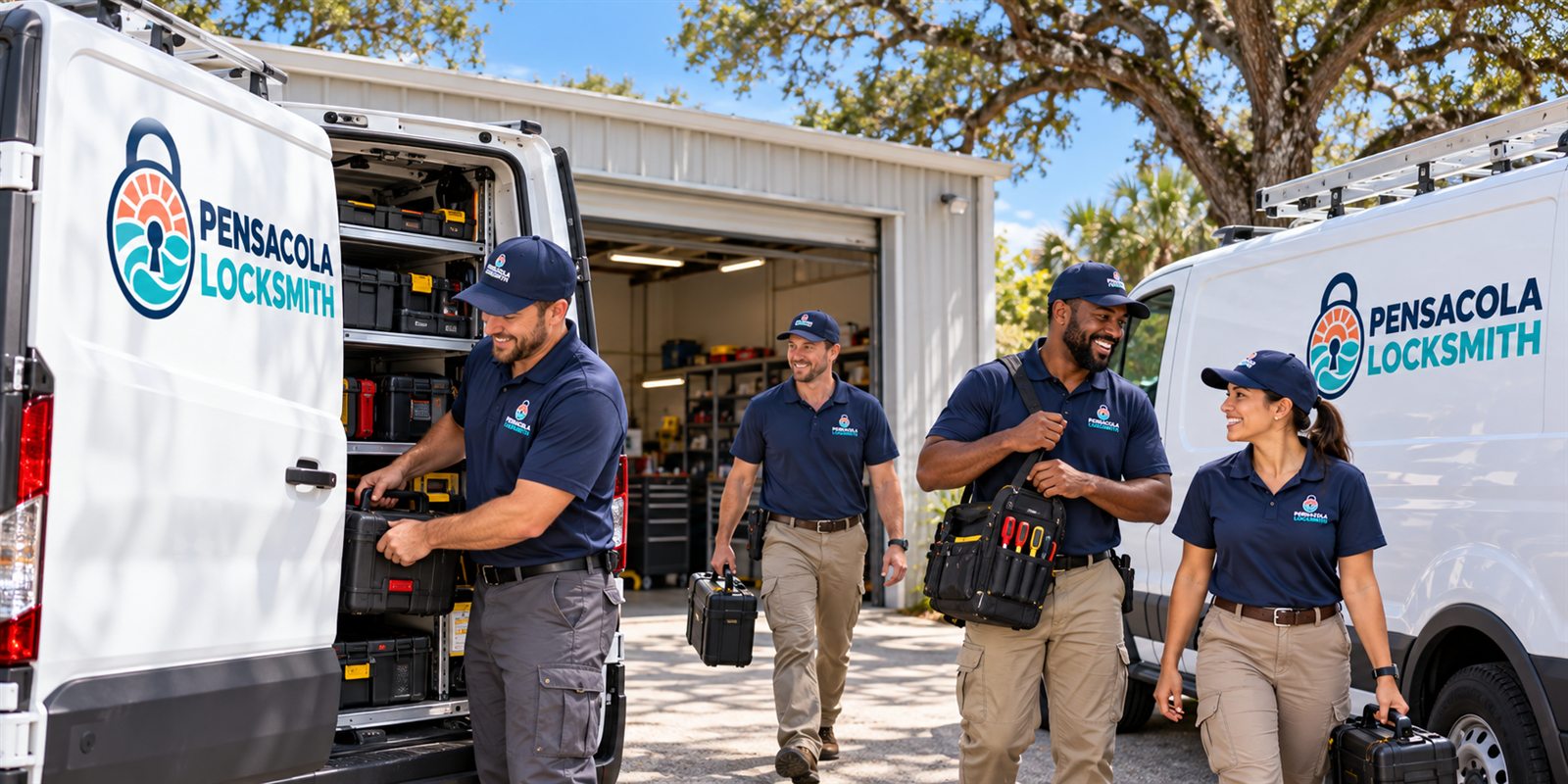
Choosing hardware that suits a marine setting
If you do need new locks, a few guidelines help. Solid brass and stainless steel resist corrosion better than thin plated zinc. Look for sealed or covered keyways, and ask whether the finish is rated for exterior and coastal use. A heavier lock is not always a better one, but internal components made from sturdy materials do tend to last longer in damp air.
Think about how you use the door. A back door facing the water, wetted by spray and cooked by afternoon sun, needs tougher hardware than a sheltered side entry. Keypad and smart locks can work well, but electronics dislike moisture, so choose models with weather ratings and put them where they are least exposed. A technician can advise on placement as well as brand.
Finally, think about maintenance honestly. If you are unlikely to oil a lock twice a year, a model needing less care might suit you better. If you enjoy keeping things in good order, a mechanical lock with good materials may last decades. A good technician is happy to match the hardware to the owner, not just the door, and to explain what upkeep each choice involves.
Budget also deserves a plain mention. Spending on locks does not need to be large, and not every door needs a premium product. Prioritize the entries that matter most: the front and back doors, the garage entry and anything that opens onto the water. Put basic care into the rest. A technician can lay out a sensible order of work so you can spread jobs over time without leaving a serious gap in the meantime.
What happens when you call
You call us and describe the situation: what kind of door, what kind of lock, what has happened, and where you are. We ask a few questions, and then we give you a quote by phone before anyone is sent. If the job sounds more complicated than a routine one, a technician visits to assess it, and the service call charge is explained before dispatch.
On site, the technician starts by confirming your authority at the property and looking over the door. They explain what they find in plain terms, offer options and answer questions. You decide what to do. Once the work is done, you test the locks yourself, turning every key and operating each door from both sides before the technician leaves.
Afterward, keep a note of the work and store spare keys safely. If something does not feel right in the following days, call back and describe it. Good locksmith work is judged by how the lock performs in ordinary use, not just on the day it was installed. We would rather hear about a small concern early than have it grow into a bigger one.
One last point is communication. If you are not sure what the problem is, say that. Describing symptoms is enough: a key that sticks, a bolt that scrapes, a door that will not stay shut. The technician can work backward from there. There is no need to know the right terms, and nobody will judge you for not knowing them. The aim is a house that opens and closes easily for the people who live in it.
Common questions
My door sticks in summer but not in winter. Is the lock bad?
Usually the lock is fine. Wooden doors absorb moisture and swell in humid months, which can pull the latch out of line with the strike. A technician can adjust the strike or hinges, or lightly plane the edge, and clean and lubricate the lock if needed.
Can you keep my older door hardware instead of replacing it?
Often yes. Cleaning, tightening and re-pinning can restore many older locks, and rekeying is sometimes possible. If the original hardware cannot be made secure, adding a modern deadbolt next to it can keep the look while improving protection.
I inherited a house. Can you rekey it?
Yes, once you can show you have authority over the property, for example through a deed, estate documents or a closing record. We check ownership or authority before rekeying, and the process then changes every exterior lock to a new set of keys.
What lock works best on a shed or boat storage door?
A weather-resistant padlock with a sealed body and hardened shackle, fitted to a solid hasp, is a good start. A deadbolt on the door and non-removable hinges add more. Salt air corrodes cheap padlocks, so check them often.
How are prices handled?
Quotes are given by phone after you describe the job. If it is complicated, a technician visits to assess it and the service call charge is explained before dispatch. Please call to confirm availability for your area.