
Content note: this page was written by Claude (AI) for Pensacola Locksmith.
The usual suspects: flip keys, blade keys and smart fobs
Volkswagen owners most often meet one of three key styles. The first is a plain blade key with a chip in its plastic head. The second is the flip key, where a blade folds out of a fob that carries lock, unlock and trunk buttons. The third is a proximity fob that allows keyless entry and a push-button start.
The flip key is especially common, and it is also the one that wears out. The hinge that holds the blade can loosen, the buttons can wear and the case can crack. When that happens, the electronics inside may still work, and sometimes only the case or the blade needs replacement.
A quick way to tell the styles apart is to look at the ignition. A keyhole suggests a blade or flip key. A button suggests proximity. Take a photo of the key and the ignition if you are unsure, and share the details with the technician.
Trim and options can change the key that came with a vehicle, so the technician checks the vehicle identification number before choosing a blank.
Why the chip matters more than the metal
Every modern Volkswagen has an immobilizer that must recognize the key before the engine will run. The chip in the key holds a coded identity, and the car's computer reads it when the key is turned or the fob is detected. If the chip is missing or unregistered, the engine may crank without starting.
This is why a copy cut at a general counter often fails to start the car. It turns the lock and may turn the ignition, but the car does not hear the right answer from the key. A programmed chip is what earns the start.
The same system also explains why some replacement keys from unknown sources do not work. A chip of the wrong type cannot be registered, no matter how well the blade is cut. A locksmith who tests chips before cutting avoids charging you for a dead end.
Programming adds the new key to the car's memory. In some systems, lost keys can be removed during the same session, so they no longer start the car.
What to have ready before you call
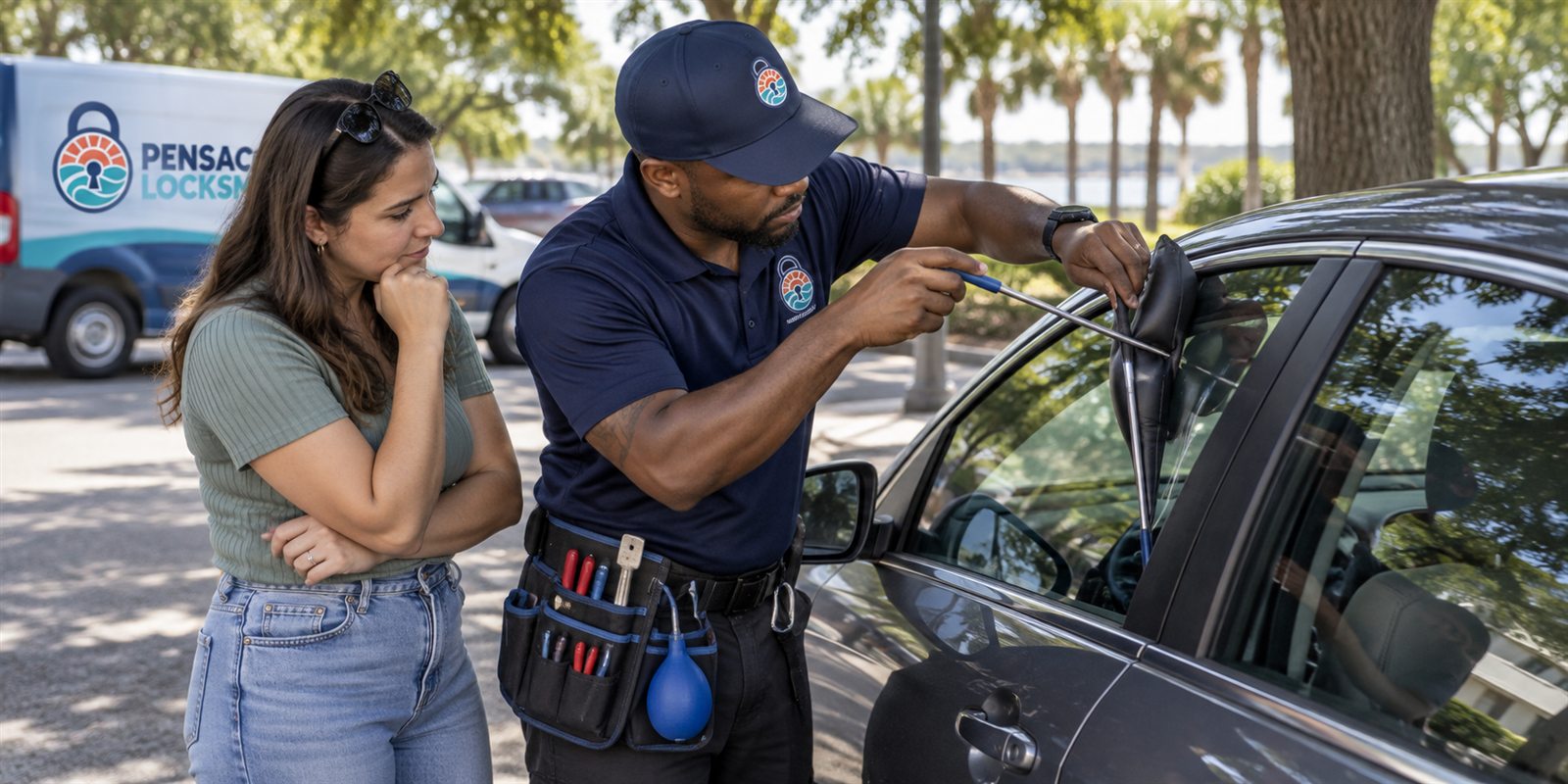
Know the model, the approximate year and how many working keys you have. Be ready to say whether the car is locked, whether a key is broken off in the ignition, and whether the vehicle has a keyhole or a start button.
Find the vehicle identification number, located on the dash at the base of the windshield and on a sticker in the driver door jamb. Volkswagen key data is tied to the VIN, and having it speeds up the identification of key type and programming path.
Say exactly where the car is. A home driveway, an apartment lot, a campus lot or a roadside spot each presents different conditions. The technician needs room to open the driver door and a stable place to set up equipment.
If you still have pieces of a broken key, or an old fob, keep them. They give the technician clues about the hardware your car expects and about which buttons the fob should carry.
Ownership checks, plainly explained
The locksmith confirms ownership or authority before opening, cutting or programming a key. A photo ID and a registration or title that match are the usual proof. A bill of sale with a matching ID can work for a recent purchase.
These checks apply even when the car is clearly yours and you are standing beside it. The process exists so that a lost key does not turn into a stolen car, and so that no one can claim your vehicle with a made-up story.
If the car belongs to a relative, an employer or a lender, you will need written authority or a call from the owner. A short message with a photo of their ID is sometimes enough, and the technician will tell you what is acceptable.
Visitors driving borrowed or rented cars should contact the owner first. The owner or rental provider must confirm that a key can be made, and doing that before the technician arrives saves time.
Cutting the blade at your location
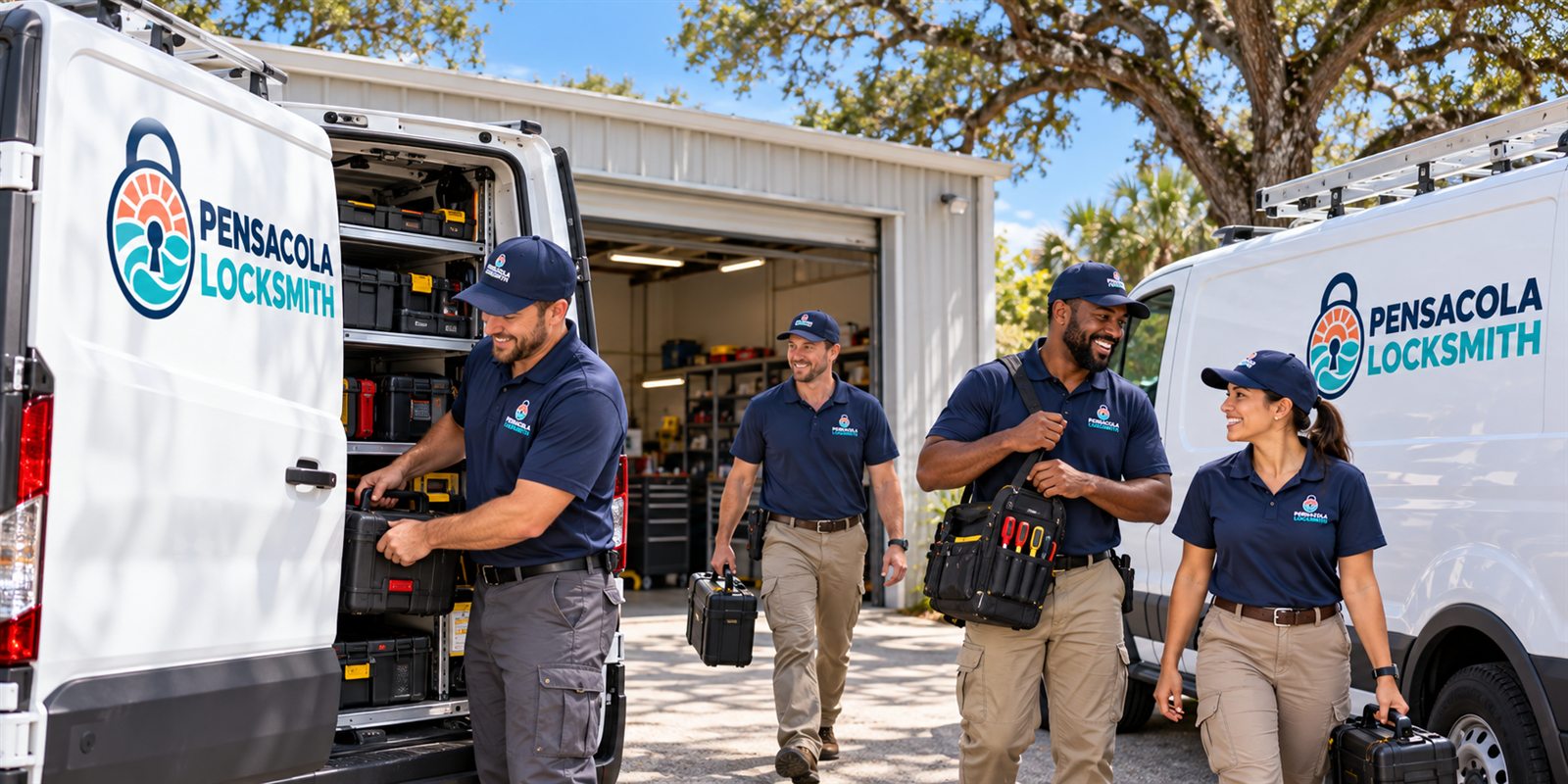
A mobile cutting machine travels in the service vehicle. The technician selects the blank, then cuts it using a copy source, a code or information read from the lock. Many Volkswagen keys use a milled channel on the blade rather than teeth, so the machine must follow that profile.
If you have no key, the technician decodes the lock to determine the cuts. Locks that are worn, dirty or sandy can be harder to read, and the technician may clean them first. It takes patience but is routine for a trained locksmith.
Once cut, the blade is tested in the door and the ignition. A blade that drags, binds or turns only with wiggling is recut. A smooth fit protects the ignition from wear and your key from early failure.
Burrs are removed after cutting. A finished key feels clean, slides in easily and turns without force.
Teaching the car to accept the key
The technician connects diagnostic equipment to the data port under the dash and communicates with the car's computer. The new key is presented, its chip is registered and the engine start is tested. Some models require a security code or an adaptation step, which the technician performs.
Remote buttons are taught in a separate step. Lock, unlock, trunk release and any panic button are tested. On proximity models, the technician checks that the car senses the fob inside the cabin and that the start button works.
If the existing fob is worn, the technician may recommend moving its electronics to a new case. This often brings an old fob back to life, as long as the circuit board is healthy.
Delays and verification steps are built into some systems. The technician will explain any waiting period and will not rush a session that needs more time.
The flip key problem: hinges, springs and cases
The flip mechanism is clever but fragile. A spring and a hinge pin let the blade fold out when you press a button. Over time, the pin wears, the spring weakens and the blade wobbles. In some cases the blade breaks off at the hinge.
If only the blade is damaged, the technician may be able to fit a new blade to the existing fob. If the case is cracked, the board can be moved into a replacement shell. Either is often more practical than a full replacement.
When the electronics also fail, a new fob is needed. The technician can supply and program one, and can also test the old fob to see whether it is worth repairing. Ask for an honest assessment, and expect one.
To extend the life of a flip key, avoid pressing the button repeatedly with the key in your pocket, and avoid hanging heavy items from the ring. Those habits strain the hinge and the buttons.
- Close the blade before putting the key in a pocket
- Avoid heavy key rings that strain the hinge
- Replace a cracked case before moisture gets in
- Keep a spare key in a safe place at home
New key, used key or aftermarket shell: sorting the options
When a Volkswagen key needs replacing, there are usually a few routes. A brand new key is cut and programmed from scratch. A fob with an existing circuit can be given a new case. A used key can sometimes be reused, but only if its chip can be reset, and many cannot. The technician explains which options your key and car allow.
New keys cost more effort at the start but give a clean history. Shell swaps keep the original electronics, which already match the car, and are often the most sensible fix for a worn case. Used keys from unknown sources are the riskiest, since some are locked to another vehicle and cannot be reused at all.
Aftermarket shells vary in quality. A well made shell fits tightly, keeps moisture out and holds the blade firmly. A poor one rattles, lets in humidity and cracks within months. A technician who stocks decent shells and checks the fit before leaving is worth listening to.
Whichever route you choose, ask that the key be tested on every function before payment, and that the old key be handled in the way you prefer. Some owners want pieces back for reference, others are happy to leave them. Either is fine, but say so clearly before the work starts.
Batteries and signs of a weak fob
A weak battery shows up in small ways first. The remote may need several presses, the range may shrink, or the car may take longer to respond. A proximity system may display a message on the dash. Replacing the battery early prevents a stranded car.
Replacing a coin cell is usually simple, but the case can be tricky to open without marking it. A technician can do it quickly on site, test the fob and clean the contacts. If you try at home, note the battery orientation and use the right type.
A fob that fails right after getting wet may have corrosion. Remove the battery, let it dry fully and avoid pressing buttons. Salt air and humidity make water damage more serious on the Gulf Coast.
If a fob still fails after a new battery, the cause may be a lost registration or a damaged board. The technician can test and tell you which.
Students, visitors and busy households
Pensacola has a lot of students at the university and college, military families near the naval air station and visitors who come for the beaches. Many of them drive or borrow Volkswagens, and key problems follow the usual patterns: a key lost on a night out, a fob dropped in the surf, a single key left behind after a move.
Students often share a car with roommates. It helps to decide who holds which key and to keep a spare somewhere safe. If a key goes missing, consider asking the technician to remove it from the car's memory.
Visitors with rental cars should call the rental provider first. The locksmith needs the owner's authority, and the provider can often arrange it quickly. Doing this before the technician arrives is the biggest time saver.
Households that buy a used Volkswagen should find out how many keys came with it. If there is only one, a spare made early costs less effort than a replacement later.
Humidity, salt and storm season
Gulf Coast humidity and salt air work their way into key blades, locks and electronics. A door lock that feels gritty may have corrosion. A fob that has started to lose range may have moisture on the board. Addressing these early prevents bigger failures.
After a storm, a flooded driveway or a beach day, check your keys. Wipe blades, dry fobs and test locks. A little care saves a lot of trouble.
Hurricane season is a good time to gather all your keys and spares. If you leave the area, you want every key in one dry place, along with your documents. A missing key before an evacuation is a miserable problem.
Keep spares away from the car and away from the same bag as your main key. A spare in the same pocket is no spare at all.
Questions people ask on the phone
A common question is whether the locksmith can come to a workplace or a campus lot. Usually yes, as long as the car is accessible and the property allows service vehicles to park nearby. If it is a gated or restricted area, mention it so arrangements can be made at the gate beforehand.
Another is whether the car has to stay still the whole time. For most jobs, yes. Cutting happens at the service vehicle and programming happens with the car on, so it should stay put. Plan on being there for the session, and expect the key to be tested thoroughly before the technician leaves.
People also ask whether they can drive away right after. In nearly every case the answer is yes, once the engine starts and the remote buttons are tested. Some owners prefer to drive a short loop with the technician still on site, to confirm the car runs normally with the new key.
Lastly, many ask how to avoid this next time. The answer is dull but true: keep a tested spare away from the car, protect fobs from water and heat, and replace batteries when warnings appear. Those three habits solve most repeat problems.
When the issue is not the key
A Volkswagen that will not start may have a weak battery, a corroded terminal or a failing starter. These faults can look like key trouble, especially when the dash flickers or the car clicks without cranking. The technician can help separate the causes.
If one key starts the car and another does not, the second key is the problem. If neither works but the dash lights up normally, the immobilizer or its antenna may be at fault. A technician can test the signal path before replacing keys.
A technician who says a new key will not fix your issue is saving you money. Expect plain explanations and sensible advice, not pressure.
Avoid repeated cranking when the car refuses to start. A few tries are enough. More can drain the battery and trigger longer security delays on some systems.
How the visit works from call to finish
Call us and describe the vehicle and situation. Routine jobs are quoted by phone. Please call to confirm availability for your location. For complicated jobs, a technician may need to visit first, and the service call charge is explained before dispatch.
On site, the technician checks ownership or authority, inspects the car and explains the plan. The work is done in stages: cutting, connecting, programming and testing.
At the end, test everything with the technician present. Start the engine twice, press every button, try the emergency blade and confirm that no warning light remains on the dash.
Add a spare if you can. It is easier during the same visit, and it gives you peace of mind. Store it away from the car and test it every few months.
Common questions
Can a flip key be repaired instead of replaced?
Often yes. A worn hinge, a broken blade or a cracked case can be fixed by fitting a new blade or moving the electronics into a new shell. If the circuit board is damaged or water-affected, replacement is the realistic choice. The technician inspects it and gives an honest assessment.
Why will my Volkswagen not start with a copied key?
The car's immobilizer expects a coded chip in the key. A blade without a registered chip may turn the ignition but will not allow the engine to run. The key must be both cut and programmed to the vehicle before it works.
What if I lost every Volkswagen key?
It can usually be solved. The technician checks ownership, decodes the lock to cut a blade and programs a new key to the vehicle. It takes more steps than copying an existing key. For complicated cases a visit may come first, and the service call charge is explained before dispatch.
What documents do I need?
A photo ID and a registration, title or similar proof of ownership. For cars owned by someone else or a business, bring written authority or arrange a call from the owner. The locksmith checks this before opening, cutting or programming anything.
How do I get a price?
Costs depend on the key style, whether a working key remains and what programming the car needs. Routine jobs are quoted by phone. If a more complicated job needs a visit first, we explain the service call charge before dispatch. Please call to confirm availability.