
Content note: this page was written by Claude (AI) for Pensacola Locksmith.
Why a new house is not automatically secure
It is natural to assume that a house nobody has lived in has no history. In reality, a new build passes through many hands before the buyer receives a key. Trades need access for weeks or months, and builders often use a construction key or a set of keys that opens the doors during the build. Lockboxes, shared codes and spare keys scatter among subcontractors.
Builders usually take sensible steps, but a house can still have more keys in circulation than the owner knows. A subcontractor who finished the paint job in spring may still have a copy in a truck. Nothing sinister needs to be assumed. It is simply that nobody can say who holds a key, and that uncertainty is what rekeying removes.
Think of rekeying as setting a clean starting point. Once the pins inside each cylinder are changed, the old keys no longer work and the only keys that do are the ones handed to you. It is a modest step compared with the value of the house, and it can be done on moving day in a short visit.
Rekeying versus changing the hardware
Most new homes come with decent locksets that do not need replacing. Rekeying keeps the existing hardware and changes only what makes the keys work, so it is quicker and typically less costly than replacement. A technician disassembles each cylinder, replaces the pins with a new combination and cuts keys to match. The door looks exactly the same afterward.
There are reasons to replace instead. Builder-grade locks are sometimes chosen for appearance and price, not for durability, and a quick look can tell you whether a deadbolt feels solid or flimsy. If you want a keypad, a smart lock, or hardware with a higher grade of security, a new house is a good time to install it, before you have settled into daily routines.
The technician will confirm that you own the home before rekeying, usually with closing paperwork and photo ID. If you are still waiting on closing, the builder or the seller must authorize any change. Quotes are given by phone, and for larger projects a technician visits and the service call charge is explained before dispatch.
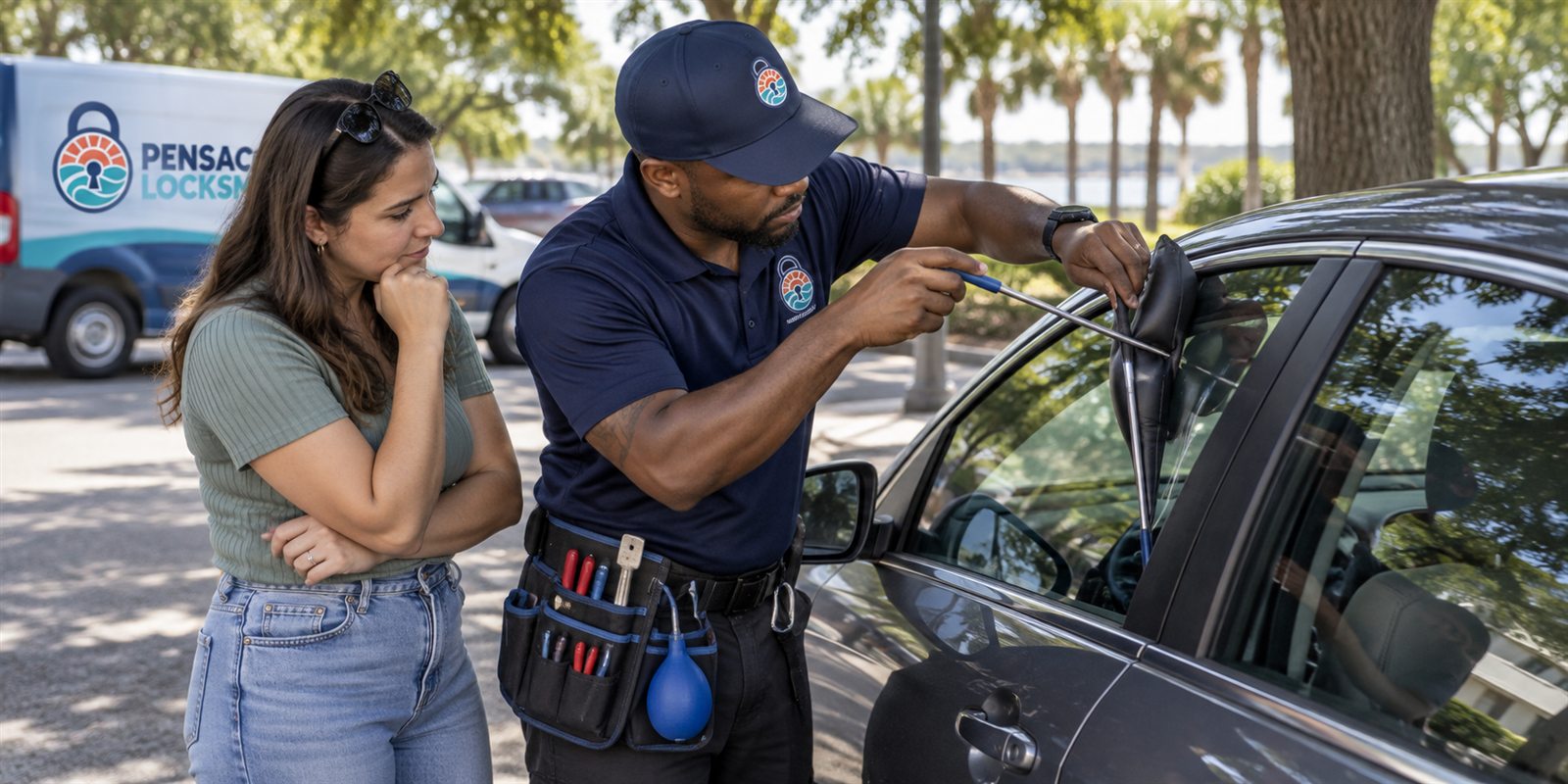
Count every opening before you start
New homes can have more locks than people realize. Walk through and list every keyed or lockable opening. The front door, back door, garage entry door and any patio or sliding doors are obvious. Less obvious ones include a side door in the garage, a keyed knob on a bonus room, a mailbox, an exterior storage closet and any gate. Each needs to be addressed.
Do not overlook windows. Most windows have simple latches that need no key, but some have keyed locks, especially on lower levels or in rooms that need extra security. Check that every window latches firmly and that screens and tracks are in good order. A window that does not latch is a weak spot regardless of how good the front door is.
Record what you find. A short list with the location, type of lock and who has keys helps you plan the work and gives you a reference later. Include the builder's notes if they gave you a key list or a hardware schedule. Pointing out all the openings to the technician at the start means they can set up a coherent key system in one visit.
Garage doors, openers and remotes
The garage door opener is often installed late and commonly leaves with a handful of remotes and a keypad code set by the installer. Those codes may be known to more people than you expect. Clearing the opener's memory and programming only the remotes you hold, and choosing a new keypad code, resets the situation. It is a quick step with real value.
Test the garage entry door into the house carefully. Many homes have a door between the garage and the living space that is treated as an interior door, with a basic lock. Because the garage can be reached from outside, this door matters. It should have a solid-core door, a proper deadbolt and a good strike plate, just like an exterior entry.
Know where the manual release is and make sure it works. If the power goes out, which can happen in storm season, the door can be disengaged and lifted by hand. A door that is difficult to lift manually has a spring or balance issue that a garage door specialist should handle. Do not attempt to adjust springs yourself, because they store dangerous force.
Check the doors, frames and strike plates
New construction can still have installation issues. Doors that rub, latches that do not line up, or bolts that barely reach the frame are common after a house settles or after humid weather swells the wood. Close each door slowly and watch the latch meet the strike. The bolt should enter the strike cleanly without being lifted or pushed.
Look closely at the strike plates. Builders often use short screws that bite only into the thin trim around the frame. Replacing them with longer screws that reach the framing makes it harder for the frame to split if someone forces the door. A reinforced strike plate adds further strength. These small upgrades matter more than most people expect.
Also check hinges. Exterior doors should have secure hinges with screws that reach the framing, and hinge pins that cannot be easily removed from outside. If you notice gaps, rubbing, or doors that need to be lifted to lock, mention it. A technician can adjust what is a lock issue, and identify what is a carpentry problem for your builder to correct.
Choosing keypad and smart locks
A new house is a natural moment to consider keypad or smart locks. They avoid the need to hand out many metal keys, and codes can be given to family, a dog walker or a contractor and removed later. Some can be connected to a phone, so you can check whether you locked up. They are practical for busy households.
Choose with care. Batteries need regular attention, the door must be properly aligned for a motorized bolt, and you should always have a physical backup way in, such as a key override. Consider the environment too. A door facing the weather in a coastal setting should have a lock rated for exposure, and a sheltered entry has more options.
Think about power outages and storm season. Most keypad locks run on batteries and continue to work when the power goes out, but features that depend on a home network will not. Know how to open the door manually, and keep a spare key somewhere safe outside the house. A technician can help you match a lock to your door and your habits.
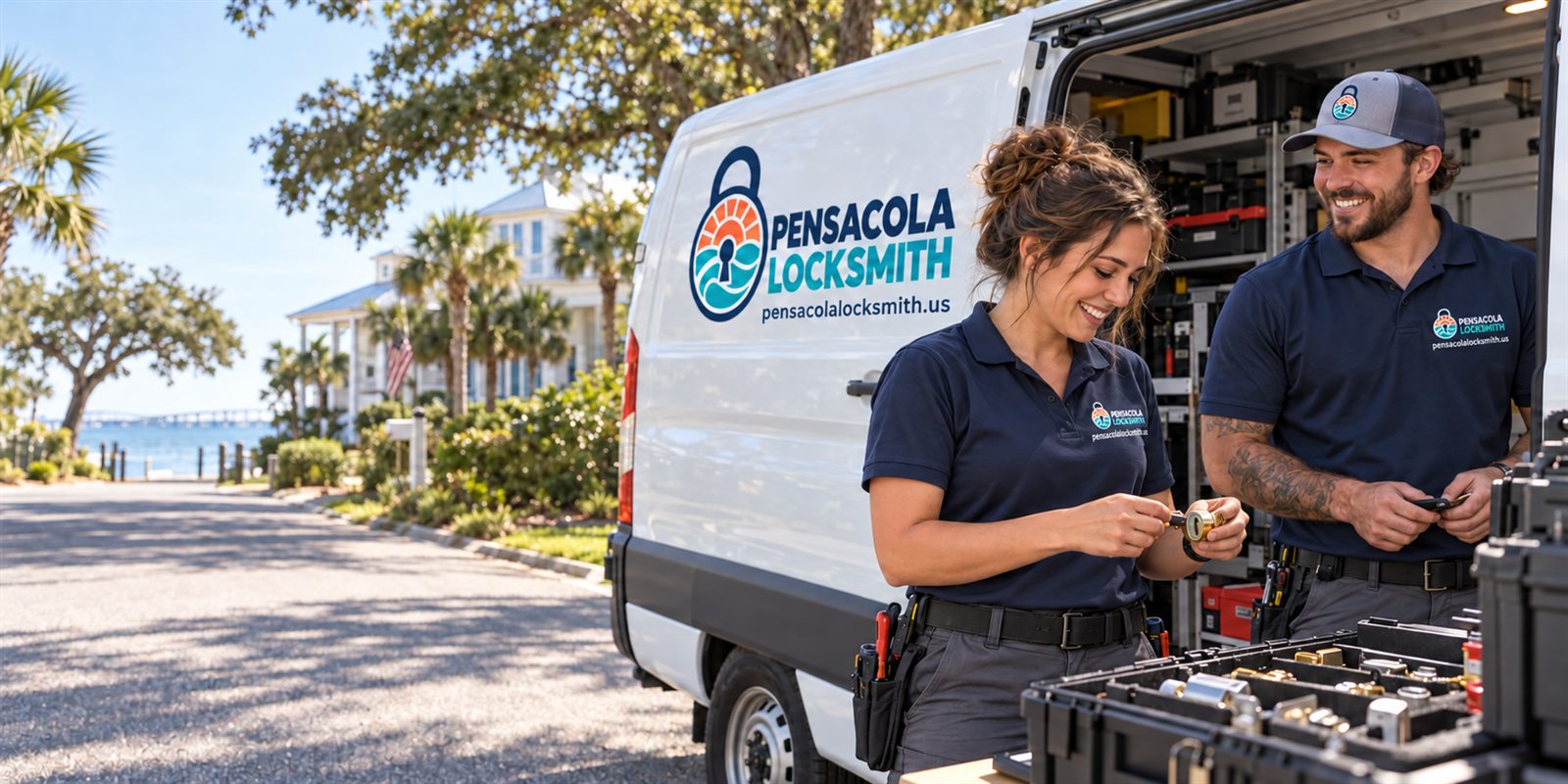
Handling builder keys and paperwork
At closing, you will likely receive a bag of keys, remotes and perhaps codes. Keep them organized. Label each key with what it opens, and remove any that belong to doors you will not use. Ask the builder whether any master or construction keys exist, and request that they be accounted for. It is reasonable to ask how many copies were made.
Store the original paperwork with your important documents, including hardware schedules, finishes and manufacturer details. If a lock fails years later, having the brand and model saves time. Some builders also provide a record of door and hardware sizes, which a locksmith can use when replacing parts that are no longer sold in your style.
Make a plan for spare keys right away. Cut a few extras after rekeying, not before, so the extras match the new system. Give one to a trusted person and keep one in a safe spot. Avoid hiding keys outside. A spare that is known only to you and a trusted contact is far more useful than one hidden under a flowerpot.
Locks for sheds, outbuildings and fences
New homes often include a shed, a pool equipment area, a gated yard or an outdoor storage closet. These secondary spaces hold tools, bikes and equipment, and they are commonly secured with a basic padlock or a latch that is easy to defeat. Take a moment to look at each and decide what level of protection is appropriate.
For outdoor use, choose weather-rated hardware. In a humid, salty environment, plain steel padlocks corrode quickly. A lock with a covered keyhole and a protected shackle lasts longer. Hasps should be mounted with screws that cannot be removed from outside, and the surrounding wood should be solid enough to hold them.
If your pool or yard has a gate, check that the latch works smoothly and, where required for safety, that it closes by itself. Child safety around water matters, and a latch that fails to engage is a hazard. If any gate hardware is a keyed lock, include it when rekeying so you carry fewer keys and the system is consistent.
What to do during the walkthrough with the builder
The final walkthrough is your best chance to find lock and door issues while the builder is still engaged. Bring a short list and test every door yourself instead of watching someone else do it. Lock and unlock each deadbolt with the actual key, from the inside and the outside. Open and close each door a few times, and listen for rubbing, scraping or a latch that clacks against the strike.
Try the keys in every lock, including the ones that seem minor. It is common to find a key that works poorly because it was cut from a cut copy, or a lock that sticks because the cylinder was never properly lubricated at the factory. Note each problem in writing with the door location, and ask how the builder plans to address it. Small issues are easier to resolve before you move in.
Ask about any special hardware, such as a keypad on a garage entry or a smart lock the builder installed. Find out who set it up, who has the master code, and how to change it. If the builder used a vendor account to manage the lock, ask how that account is transferred to you. Do not accept hardware that you cannot control, because shared control defeats the purpose of having a lock.
Coastal building details that affect locks
Homes near the Gulf are built to withstand wind, moisture and salt, and those features touch the locks too. Impact-rated doors and windows are heavier than standard ones, and their hardware can be different. Heavier doors put more strain on hinges and latches, so check that the frame is solid and the hinges are well fastened. A heavy door that sags will make a lock bind.
Salt air begins working on new hardware immediately. Finishes designed for the coast resist corrosion better, but even good finishes benefit from a rinse of fresh water and a wipe when salt builds up. Ask your builder which finishes were used on the exterior hardware, and keep that information. It will help when you need a matching replacement years from now.
Raised homes with exterior stairs, covered porches and storm shutters add more locks and latches than a typical house. Shutter hardware, porch gates and storage doors under the house all have small locks that deserve a place on your list. Including them in the rekey keeps the key ring short, and checking them before storm season means they will work when you need them most.
Mistakes new owners commonly make
The most common mistake is trusting that a new house needs no attention. People move in, unpack and only think about locks when something goes wrong. A second is rekeying the front door but leaving the garage entry, a back slider or a side gate on the old system. An intruder does not pick the strongest door, so the weakest one sets the real level of security.
Another mistake is cutting spare keys from the builder's set before rekeying, which wastes effort because those copies stop working afterward. Wait for the new key system, then copy from the new keys. People also forget to ask for keys back from relatives and friends who helped during the move, or to reset a keypad code that was shared widely during the unpacking.
Finally, many owners never look at the small hardware. Loose screws on a strike plate, a door that must be lifted to latch, a deadbolt that only extends partway: these are minor in a new house, and they get worse. A short check in the first month, and again after the first season of heat and humidity, catches them while they are easy to fix.
Moving day security habits
Moving day is when the house is most exposed. Doors are open, strangers carry boxes, and keys change hands. Try to schedule the rekey either before the move or right after the last load. Do not leave doors propped open overnight, and keep a short list of anyone who has been given a key or a code for the move.
After the move, set simple habits. Always lock the door when you leave, even for a quick errand. Keep a spare key out of sight and out of the house. Teach family members where the manual garage release is. Small routines do more for safety than any single gadget, and they cost nothing to maintain.
If a key is lost in the first weeks, do not wait. A lost key on a new house is the same as an unknown copy, and rekeying is simple to repeat. Call us with the details. We confirm ownership before work, give quotes by phone, and arrange a visit for complicated jobs with the service call charge explained before dispatch. Call to confirm availability.
Common questions
Do I really need to rekey a brand new house?
It is strongly sensible. Many trades and staff handle keys during construction, and you cannot know how many copies exist. Rekeying makes old keys useless and leaves only the ones you hold. It is quick and keeps the existing hardware in place.
Is rekeying the same as replacing the locks?
No. Rekeying changes the internal pins and gives you new keys while keeping the lock. Replacement installs different hardware. Rekeying suits solid locks you like, while replacement suits flimsy hardware or upgrades like keypads. A technician can advise on site.
Can I rekey before closing?
Only with the builder's or seller's authorization, since you do not yet own the home. After closing, we ask for proof of ownership, such as closing paperwork and photo ID, before rekeying. Call us to discuss timing.
Should the garage remotes be reset too?
Yes, it is a good practice. Clear the opener memory, program only the remotes you hold, and change any keypad code set by the installer. Also test the manual release, and confirm the door from the garage into the house has a proper deadbolt.
How do I get a quote?
Call us and describe the number of doors and any special locks. Quotes are given by phone. If the job is complicated, a technician visits and the service call charge is explained before dispatch. Call to confirm availability.